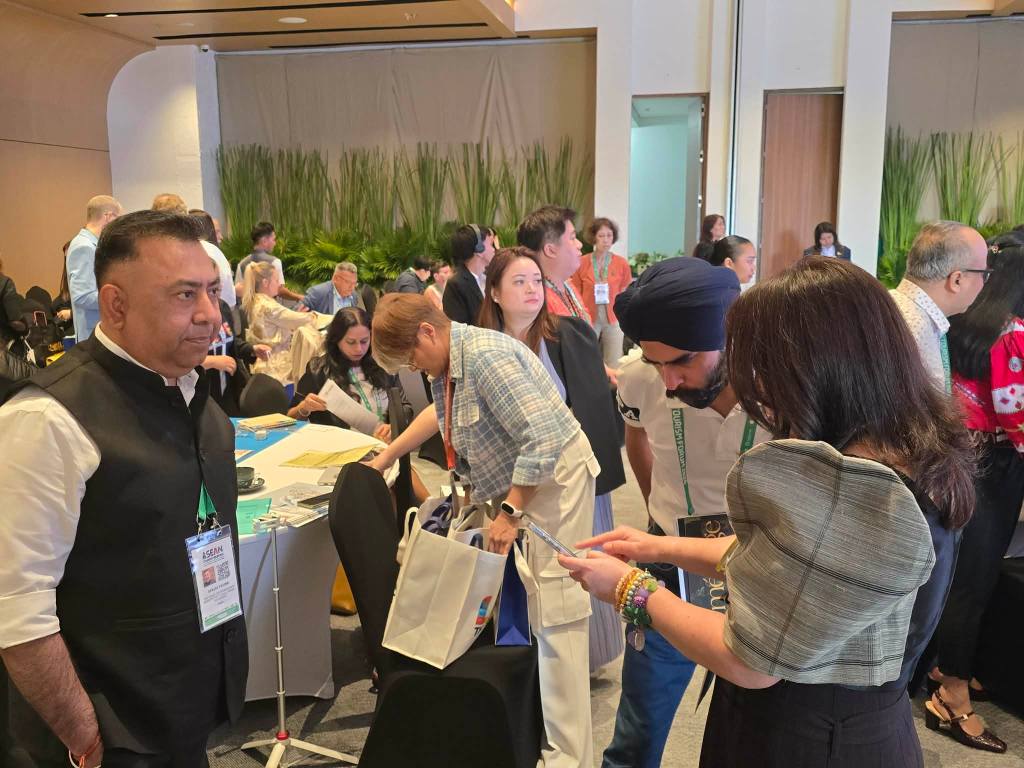
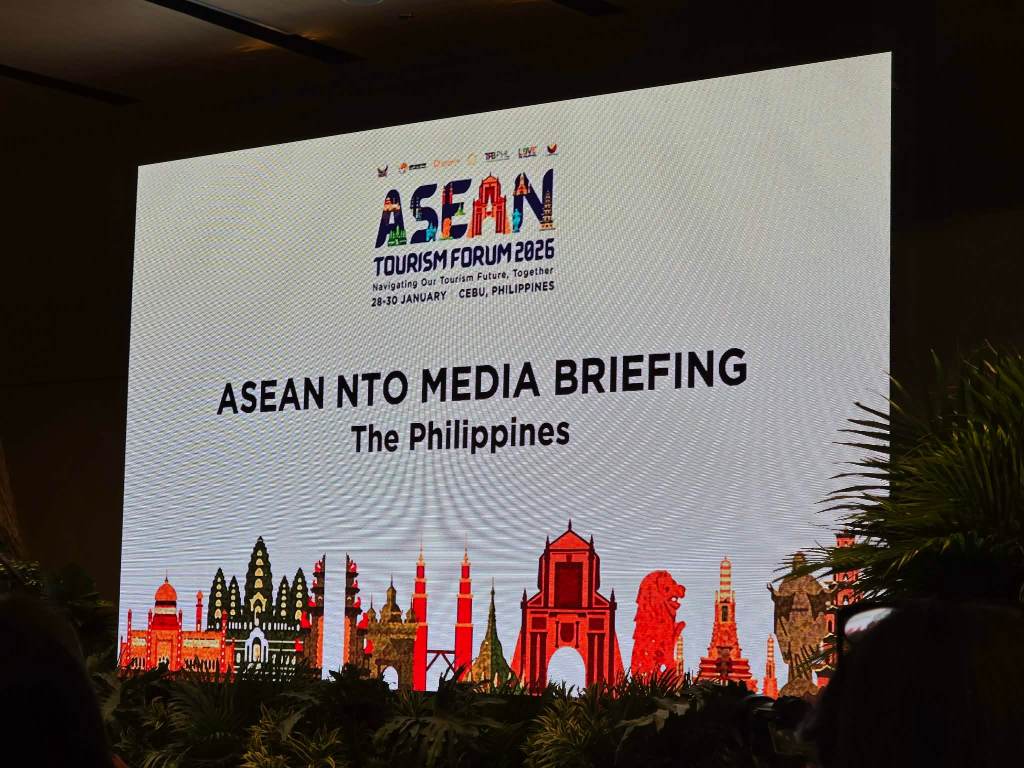
ASEAN tourism leaders took center stage as member countries unveiled their strategies and future plans before international media delegates during the ASEAN Tourism Forum (ATF), held at the Mactan Expo in Mactan, Cebu, Philippines.
The opening briefing was led by the host country, the Philippines, which presented its 2025 tourism figures and outlined new initiatives aimed at attracting more international visitors. The presentation highlighted the country’s strong recovery and renewed push to position itself as a top destination in the region.
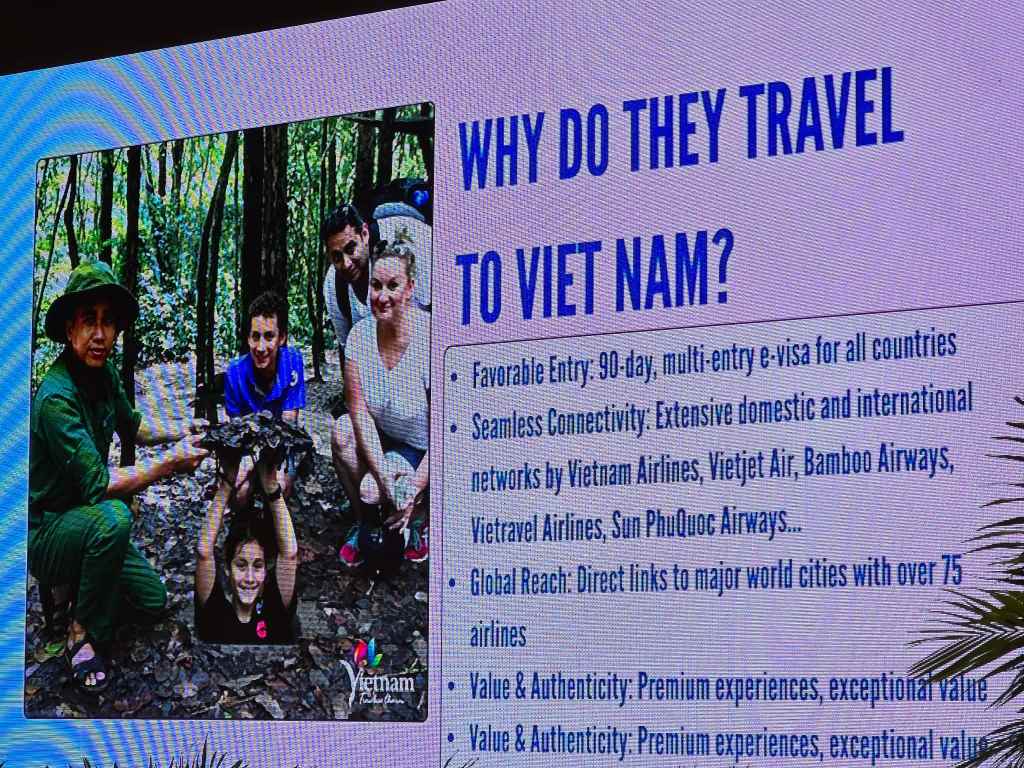
Vietnam followed, sharing the formula behind its impressive tourism rebound over the past three years. The country reported welcoming more than 11 million visitors and emphasized the success of its focused campaigns, particularly in promoting golf tourism as a key niche market.
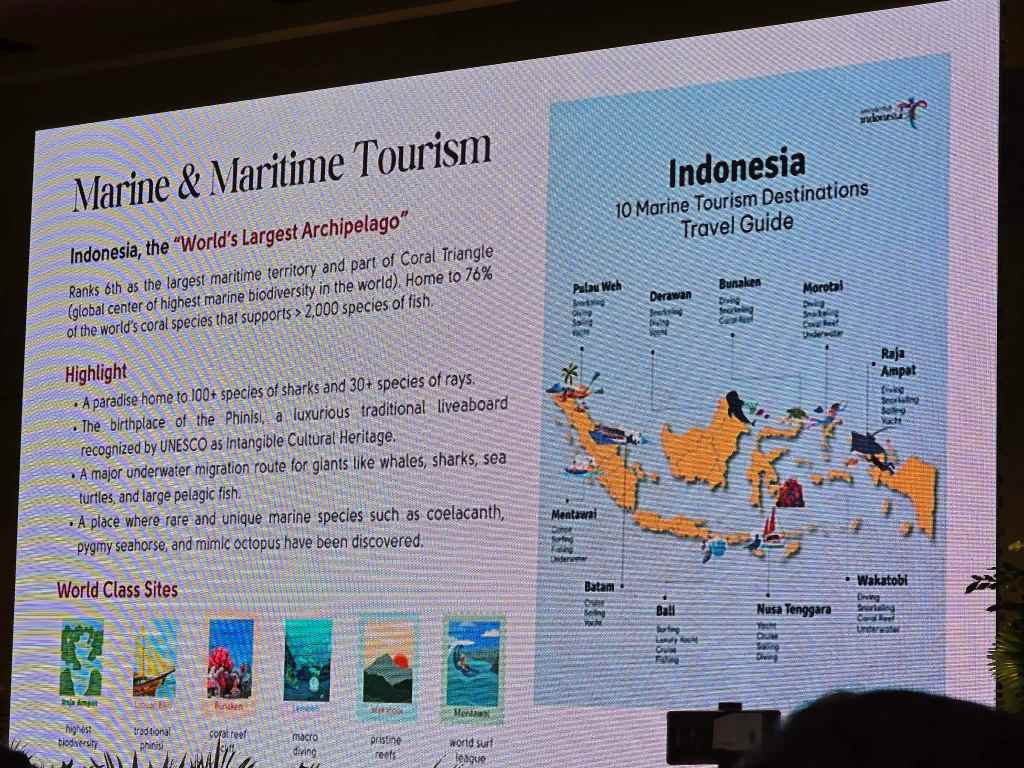
Indonesia then took the stage, showcasing its adoption of artificial intelligence across its tourism platforms to improve convenience and enhance the travel experience for international visitors.
Around 70 official media delegates from different parts of the world attended the briefings on the first day of TRAVEX (Travel Exchange), which continues on its second day. Malaysia, Singapore, Cambodia, and Laos are also expected to present their respective tourism plans and strategies.
With strong participation from buyers and industry stakeholders, this year’s ASEAN Tourism Forum is already being described as a major success for the Philippines as host.
A clear trend emerged during the discussions: ASEAN countries are intensifying efforts to attract European markets as well as major Asian markets such as China, Japan, and South Korea. Another growing focus is multi-country promotion, enhancing regional connectivity to allow tourists to seamlessly visit multiple ASEAN destinations within a single trip
UNIQLO marks a decade of enriching everyday life in the Queen City of the South
The celebrations include cultural activations, exclusive offers, and sustainability programs for the local community and even Sinulog festival attendees
Cebu City has always ushered in the new year in a riot of color, rhythm, and devotion through the Sinulog Festival, held every third Sunday of January.
In 2026, the celebration takes on added meaning as UNIQLO marks a decade in Cebu—ten years in which LifeWear has woven itself into the everyday lives of Cebuanos, from festivities to daily routines.
Over the past ten years, UNIQLO has grown alongside Cebu, adapting to the city’s evolving pace and lifestyle while offering LifeWear clothing defined by function, quality, and timeless design.
From its first store in SM City Cebu, the brand has expanded its presence across the city, now serving a larger community through five branches in SM Seaside Cebu, SM City J Mall, Ayala Center Cebu, and Ayala Central Bloc—reflecting a shared journey of growth, movement, and modern living.
Each store joins the brand’s 10th-year celebrations in Cebu. The local community and Sinulog festival attendees can look forward to lots of cultural activations, exclusive offers, and sustainability programs.
Supporting the Needs of the Cebuano Community
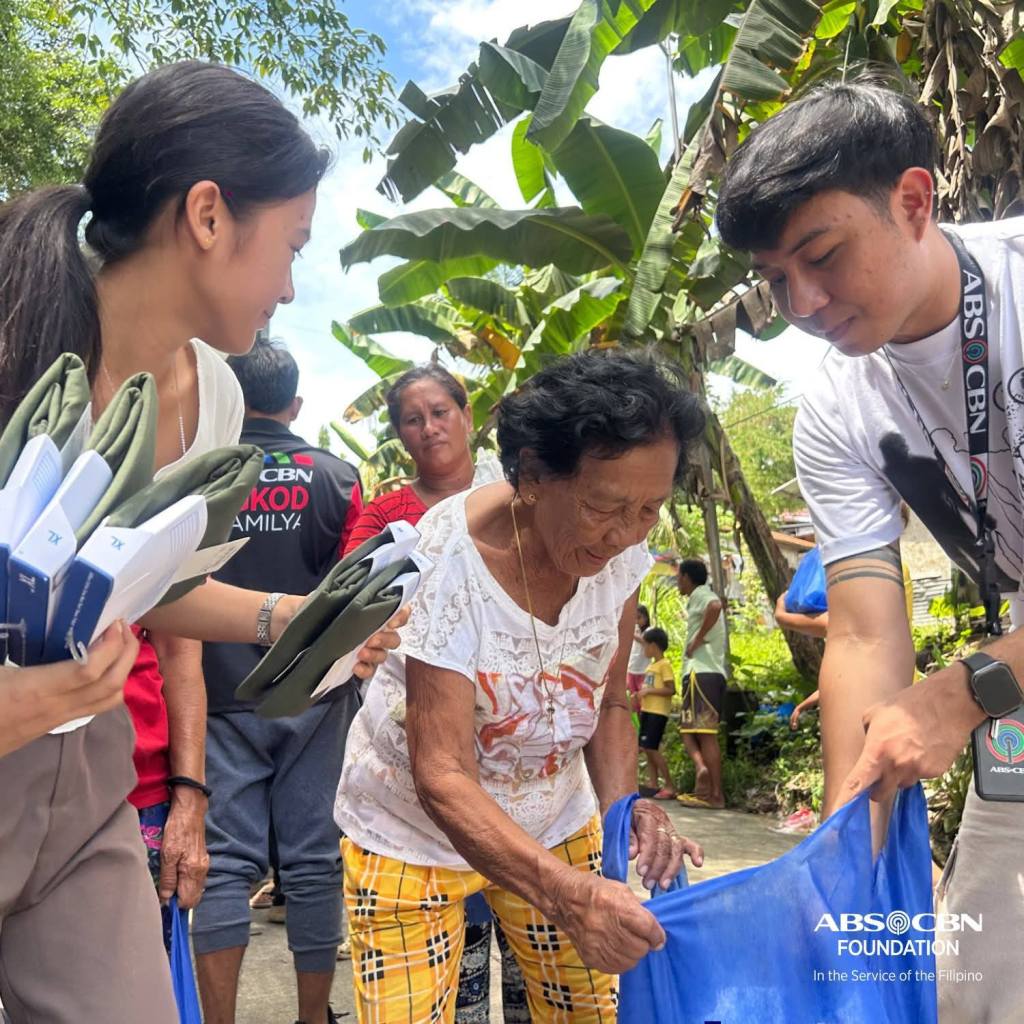
As a committed member of the community, UNIQLO ensures that it celebrates with the greater good in mind. Last 2025 was tough for a lot Cebuanos, who dealt with various calamities, and UNIQLO stepped up to help the affected families with a series of donations. In September, UNIQLO handed out 4,000 AIRism items to communities affected in the areas of Bogo City, in partnership with SM Foundation. Hygiene kits were also donated to over 800 people. Meanwhile, 5,500 AIRism items were given to communities affected by Super Typhoon Uwan and Typhoon Tino in Cebu, Bacolod, and Aurora.
UNIQLO also looked after its 300 Cebu-based employees who were affected by the natural disasters, extending aid to their families as well. Then, in December, around 4,000 pieces of AIRism and pre-loved UNIQLO items from the RE.UNIQLO initiative were donated to over 500 beneficiaries in Talisay.
Exclusive UTme! Collection Launching on January 12
UNIQLO says “Daghang Salamat” to Cebu for the 10 years with the launch of an exclusive UTme! Collection celebrating the local community. Designed by Cebu-based painter and illustrator Meream Pacayra, the designs feature iconic everyday Cebuano slang and scenes from the vibrant Sinulog Festival. The exclusive UTme! Collection drops on January 12.
Plenty of 10th-Anniversary Promotions and Activities Limited Offers
As part of its 10th anniversary festivities, customers can enjoy limited offers from January 16 to 22, with select items available at a limited-offer price, exclusive to UNIQLO Cebu stores. There will be special novelty and partner promotions as well. For every P3,000 single-receipt purchase from any UNIQLO Cebu store from January 16 to 18, shoppers get a free UNIQLO luggage tag. They must scan their UNIQLO App upon checkout to avail of the promotion.
Cebu continues to develop as a regional hub with thriving industries and talented people. As UNIQLO marks 10 years in Central Visayas, there is also a great opportunity for the brand to grow alongside the community, and for LifeWear to become an even-more integral part of Cebuanos’ lives.
For more information and to get all the latest updates on UNIQLO, visit www.uniqlo.com/ph/en/ and follow @uniqlo on Facebook, @uniqlophofficial on Instagram, and @uniqlophofficial on TikTok.
When the government, the private sector, and the Church move in the same direction, transformation becomes possible, not just in infrastructure, but in the soul of a city.
This was the essence of the statement shared by Joe Soberano, President and CEO of Cebu Landmasters Incorporated, during the opening of Patria de Cebu. His message was more than ceremonial; it was a clear commitment to the Cebu City Government and to the people of Cebu. that progress can be meaningful when it is anchored in cooperation and respect for heritage.
Present at the event was Cebu City Mayor Nestor Archival , alongside the Roman Catholic Church, represented by Archbishop Emeritus Jose Palma. Their presence symbolized a rare but powerful convergence of leadership: public service, private enterprise, and faith working together toward a shared vision.
The initial focus of this collaboration is the beautification and revitalization of Cebu City’s downtown, beginning with the historic surroundings of the Cebu Metropolitan Cathedral, a site that has stood witness to centuries of Cebuano faith, culture, and history.
Rather than development that erases the past, this initiative seeks to enhance what already exists, giving dignity to heritage spaces while making them more accessible, livable, and vibrant for today’s generation.
Cebu City is not just an urban center; it is the cradle of Christianity in the Philippines, the heart of early trade, and a living museum of colonial and pre-colonial history. Any effort to uplift the city must therefore balance modernization with preservation.
This tri-sector partnership recognizes that truth: progress does not mean forgetting where we came from, it means building forward with memory and meaning. When coordination and collaboration truly happen, the benefits ripple outward.
Heritage is protected, public spaces are improved, local communities gain renewed pride, and the city strengthens its identity—not only as a hub of commerce, but as a place where history, faith, and development coexist. In this shared effort, Cebu City is reminded of a powerful lesson: the most enduring developments are those built not by one sector alone, but by a united community, honoring its past while shaping its future.
Patria de Cebu is a living symbol of what collaboration can achieve. Redeveloped through a joint effort of the Roman Catholic Church and Cebu Landmasters Incorporated, it transforms a historic space into a place where the past and present meet.
Now open with a supermarket and a growing mix of food outlets, Patria de Cebu is once again bringing life back to downtown. Soon, it will also welcome the Mercure Hotel by Accor, the first international hotel brand in downtown Cebu City, a powerful sign that faith, heritage, and progress can move forward together, restoring pride in the heart of the city.
Cebu became the Lechon Capital of the Philippines not by marketing or modern hype, but through a culinary tradition rooted in pre-colonial Visayan culture, refined over centuries, and documented as early as the late 16th and 17th centuries by Spanish chroniclers and missionaries.
Long before Spanish colonization, Cebuanos were already roasting meat over open fire as part of ritual and communal life. This is not speculation; it is supported by early Spanish vocabularios compiled specifically to understand—not alter—local customs.
In the Vocabulario de la lengua bisaya (1617–1619) by Fr. Mateo Sánchez, Cebuano terms such as inasal and sinugba were already clearly defined. The existence of multiple, precise words for fire-roasting strongly suggests that these practices were well established and culturally embedded, not newly introduced by Europeans.
Later editions of the Diccionario Bisaya-Español by Encarnación further reinforce this point. They describe different methods of roasting meat, including the turning of large cuts over fire, an indication that Visayans were already familiar with cooking whole animals or substantial portions, a technique central to what would later be known as lechon.
This linguistic evidence is confirmed by eyewitness accounts. In Relación de las Islas Filipinas (1582), Miguel de Loarca described Visayan feasts where pigs were slaughtered and roasted for weddings, alliances, and major communal celebrations. He emphasized that pigs were not everyday food but prestige animals, reserved for moments of social importance. This establishes pig roasting as ceremonial and symbolic, not merely culinary.
The most detailed account comes from Fr. Francisco Ignacio Alcina, SJ, whose Historia de las Islas e Indios de Bisayas (1668) remains the most comprehensive ethnographic record of the Visayas. Alcina meticulously documented cooking methods involving open-fire roasting of pigs for fiestas, rituals, and peace pacts. He explicitly noted the social prestige attached to hosting such feasts and made clear that these practices were pre-Hispanic in origin, later continuing under Spanish influence rather than being replaced by it.
Although lechon is a spanish word which means suckling pig, early Cebuanos have a word for it, Inasal. To this day, Lechon is also called baboy inasal.
What makes Cebu distinct is how these early traditions were perfected and preserved. Cebu lechon developed its signature identity through:
Native or leaner pigs, ideal for crisp skin
Aromatic stuffing of tanglad, garlic, onions, pepper, and spring onions
No internal sauces, the flavor comes entirely from herbs and technique
Slow, even rotation over charcoal for hours
This mastery of technique was passed down through generations of lechoneros, especially in places like Talisay City, Carcar City and Liloan now widely recognized as the lechon bailiwicks within Cebu itself.
Lechon in Cebu also remained culturally central, not seasonal. It became a fixture in town fiestas, weddings, birthdays, and even modest gatherings—symbolizing hospitality, abundance, and communal pride. Over time, what began as ritual roasting evolved into a refined culinary art without losing its cultural soul.
By the late 20th century, Cebu lechon had gained national prominence, flown regularly to Manila for major events.
International recognition followed, most famously when Anthony Bourdain praised Cebu lechon as one of the best pork dishes in the world, remarkable for being flavorful without sauce.
In essence, Cebu did not invent lechon. What it did was far more significant: It preserved, refined, documented, and elevated an ancient Visayan tradition into a culinary identity recognized across the Philippines and the world.
Cebu did not claim the title. It earned it—over centuries.
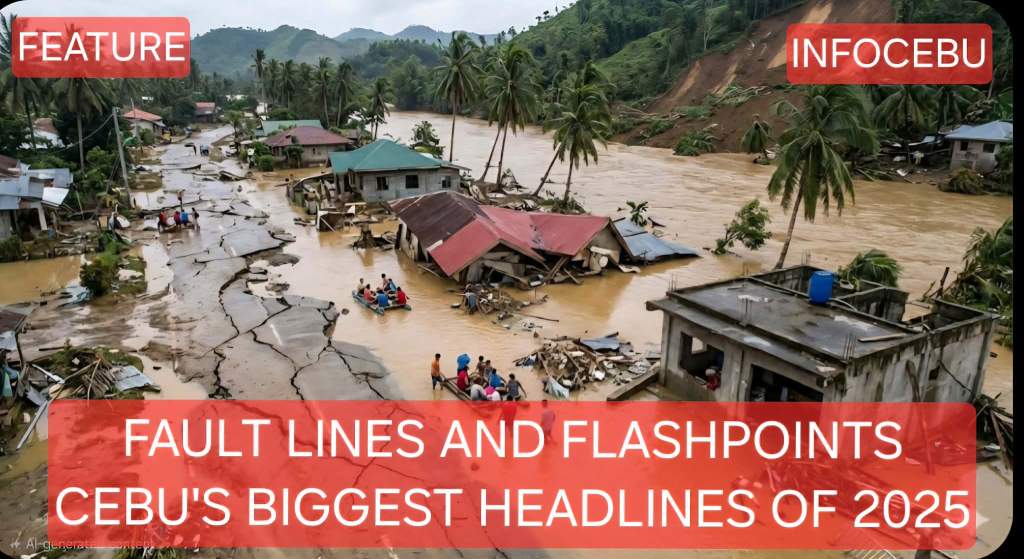
2025 will be remembered in Cebu as a year that tested its people’s strength — and revealed their resilience. From natural disasters to political earthquakes and from local news to international events that shaped the Cebuano consciousness, dominated headlines, and defined the year.
1. The 6.9-Magnitude Earthquake That Shook Bogo City
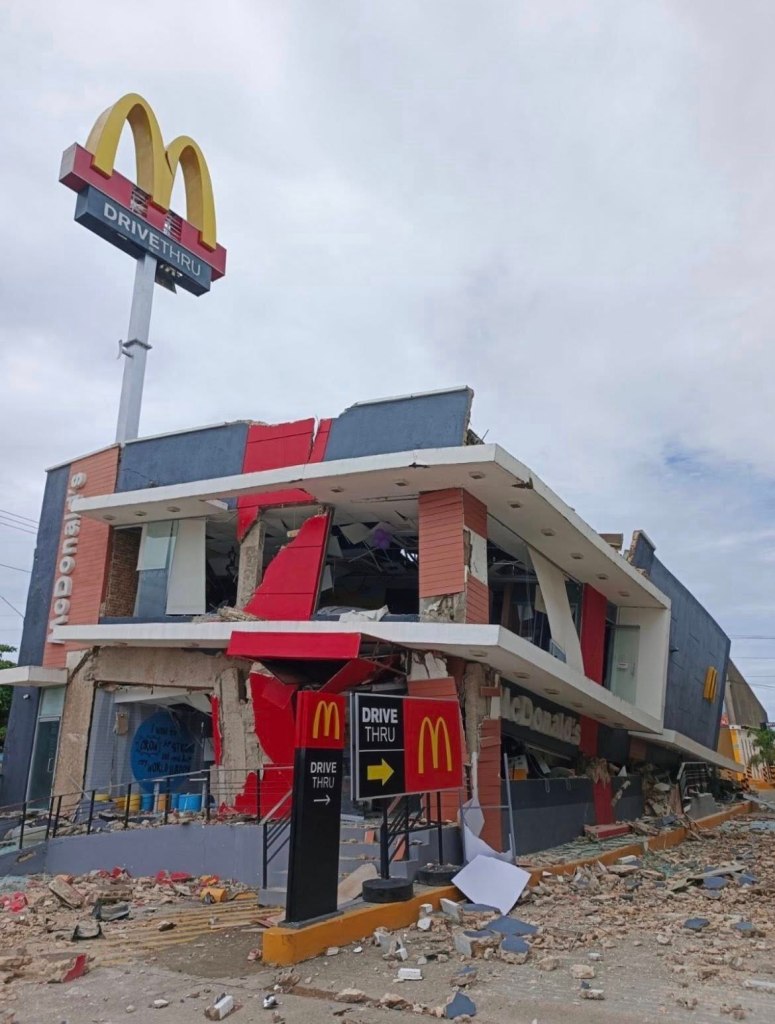
On a quiet evening in late September, northern Cebu was jolted awake by a 6.9-magnitude earthquake with the epicenter striking near Bogo City. Buildings cracked, roads split, centuries-old churches suffered damage, and thousands ran into the streets in panic. More than seventy died, and the trauma lasted for months as thousands of aftershocks persisted. The quake also exposed a number of sinkholes in the towns of San Remigio, Tabuelan, Daanbantayan and Bogo City.
It was the strongest quake Cebu had felt in decades.
2. Typhoon Tino and the Flashfloods of 2025
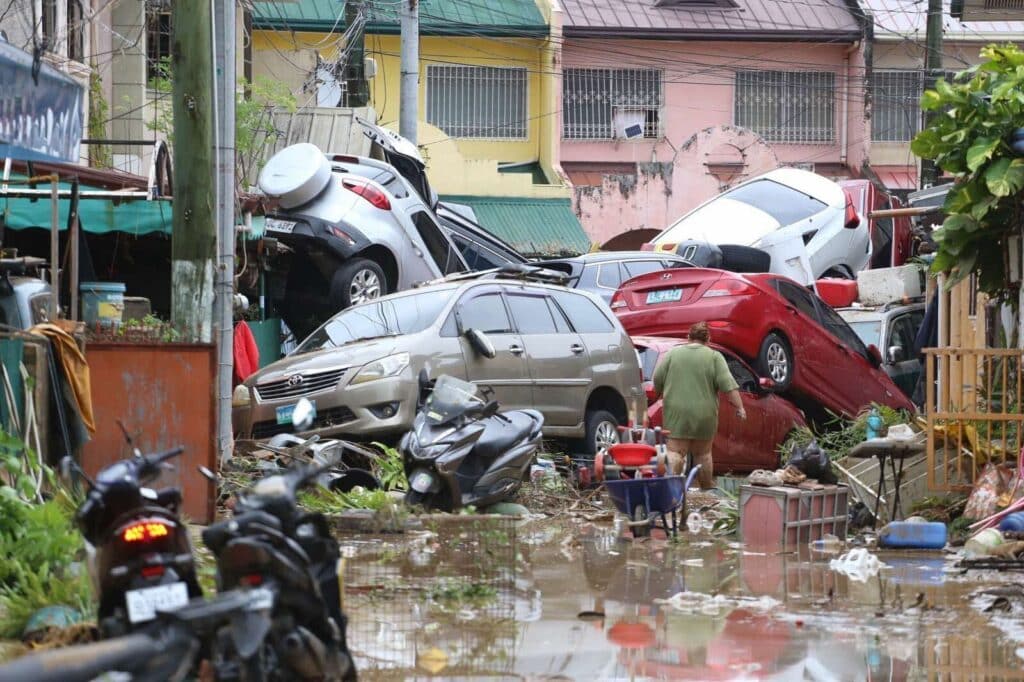
Just months after the quake, Typhoon Tino barreled into the Visayas, unleashing torrential rains that triggered flashfloods from Liloan to Talisay and parts of Northwestern Cebu. Viral videos showed cars floating along subdivisions and normally busy streets, while entire barangays in Mandaue and Consolacion turned into waist-deep water channels. The number of dead and missing reached more than 200, the worst in Cebu in decades.
Tino also exposed the failure of flood control measures and the billions of pesos wasted, carried away by the rushing waters.
3. The Surprise Victory of Pam Baricuatro & The Election Shockwaves
The Cebu political landscape was shaken when Pam Baricuatro pulled off one of Cebu’s most unexpected electoral victories. Her grassroots campaign, relatable messaging, and digital mobilization turned her into an overnight political phenomenon.
The 2025 elections also produced several upsets across the province, a new generation of leaders emerging, traditional political dynasties shaken, and voters’ preferences shifting dramatically.
4. The Flood-Control Controversy & Whistleblower Testimonies
The year’s biggest corruption narrative erupted when government insiders Discaya and Zaldy Co dropped explosive testimonies exposing alleged irregularities in flood-control projects.
Ghost projects, massive cost overruns and questionable contractors triggered public outrage. Names of Cebu contractors and politicians also made it to the list. This made way for anti-corruption rallies, with citizens, students, and clergy demanding accountability and transparency.
It was a national scandal with the Cebu floods as emotional epicenter.
5. The Arrest of Former President Rodrigo Duterte
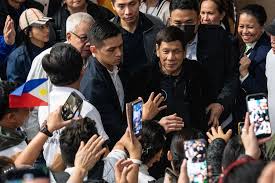
In a historic and deeply polarizing moment, former President Rodrigo Duterte was arrested and sent to Hague, The Netherlands on charges linked to alleged abuses committed while waging a war on drugs during his term. Cebu, one of his political strongholds, reacted with a mix of disbelief, anger, and support.
Rallies formed on both sides — for and against the arrest — making Cebu a critical barometer of national sentiment.
6. The Impeachment of Vice President Sara Duterte
Another political turbulence, VP Sara Duterte’s impeachment or attempt to remove her in power dominated the early months of the year. The Supreme Court in July ruled the move as unconstitutional but the heated debates linger on in social media spaces.
7. A Slowdown in Economy and Tourism
Despite high expectations for post-pandemic recovery, 2025 brought sluggish tourism arrivals, reduced investor confidence, and slower-than-projected economic growth. The strong dollar, national political turmoil, rising inflation, and global uncertainties contributed to a quieter business environment.
Cebu’s key sectors — real estate and hospitality — felt the drag more than expected.
8. Cebu Welcomes a New Archbishop: Abet Uy
A moment of unity and spiritual renewal to millions of Roman Catholics came with the appointment of Archbishop Abet Uy as Cebu’s new shepherd. Known for his humility, humor, and hands-on pastoral approach, Archbishop Uy’s arrival from Bohol and installation drew crowds and widespread media coverage.
Many hailed him as a symbol of hope in a year filled with tension and anxiety.
9. The Mystery of the Missing Sabungeros Lives On
Years after their disappearance shocked the nation, the missing sabungeros case resurfaced in 2025 as new leads, conflicting testimonies, and reopened investigations pulled the media back into the mystery.
Families continued to demand justice. Authorities insisted progress was being made. But by year’s end, the truth remained elusive — and the public remained captivated.
10. Derek Ramsay-Ellen Adarna Separation
One of the news stories that created a major buzz in 2025 was the separation of celebrity couple Ellen Adarna and her husband, Derek Ramsay. Their split dominated headlines and fueled online discussions. What began as a whirlwind romance that quickly led to marriage, once believed to be their happy ending—ultimately ended in separation just a few years later.
A Year That Tested Cebu — And Revealed Its Spirit
Earthquakes. Storms. Political drama. Economic slowdown. Crime and controversy. And in the middle of it all, a community that refused to break.
Cebu in 2025 was turbulent, emotional, unpredictable — but also hopeful, united, and resilient.
Because no matter the crisis, Cebuanos always rise.






 InfoCebu