Atty. Augusto Go: The Educator with a Heart

In Cebu, where thousands of young people dream of lifting their families out of poverty through education, one man became their champion: Atty. Augusto Go, founder of the University of Cebu.
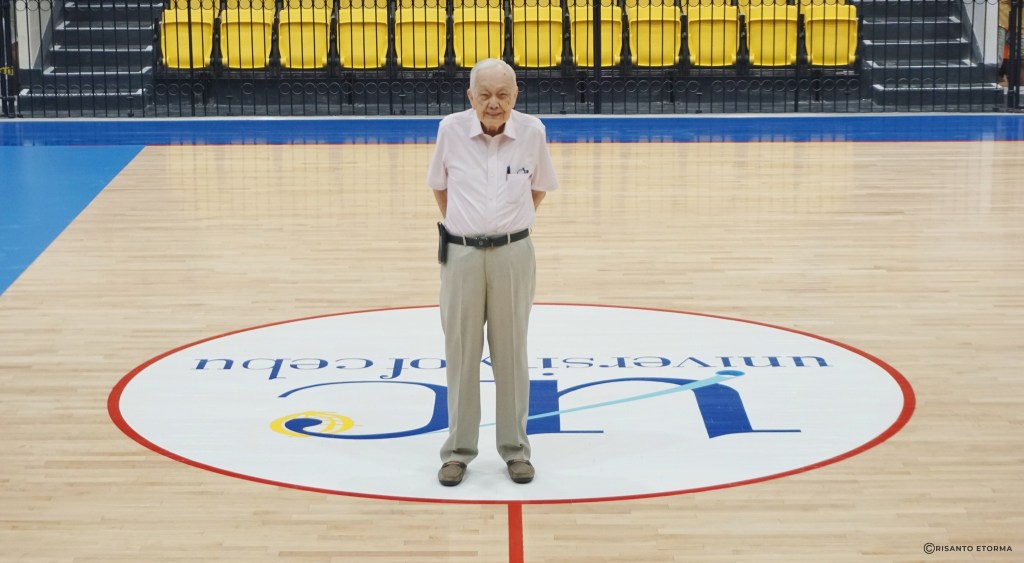
What set him apart was not just his business acumen or his leadership, but his kindness. Students at UC would often tell a story, almost like campus folklore—that Atty. Go himself would personally sign excuse letters so that a student could take an exam even if they hadn’t yet paid their tuition fee.

For Atty. Go, no one should be denied an education simply because they were poor. He understood the struggles of working students who sometimes had to choose between paying school fees and buying food for their families. His policy was simple: let them take the exam, they’ll find a way to pay later. It was a gesture that may have seemed small to some, but for countless students, it meant the world.

University of Cebu (UC) began in 1964 as the Cebu College of Commerce, a modest institution founded by Atty. Augusto W. Go with the vision of providing affordable and accessible education to young Cebuanos.

Early years of the school

As the years went by, the school widened its academic offerings beyond commerce to include law, engineering, maritime education, criminology, computer studies, and the liberal arts. With this expansion came a new identity, and in 1972 the school was renamed Cebu Central Colleges. It was during this period that the institution became a leading hub for maritime education, producing highly trained seafarers who would later sail across the globe, carrying with them the name of Cebu.

The steady growth of the school culminated on November 1, 1992, when it was granted full university status by the Commission on Higher Education. From then on, Cebu Central Colleges became known as the University of Cebu, a recognition of its academic achievements, breadth of programs, and increasing prominence in higher education.

Today, the University of Cebu stands as the largest private university in Cebu and one of the biggest in the Philippines, with a student population of more than 40,000 across multiple campuses.

From its main campus in Sanciangko Street, the university has expanded to Banilad, Lapu-Lapu and Mandaue, Pardo, and its world-class Maritime Education and Training Center in Mambaling. It has produced generations of professionals, from engineers and lawyers to IT specialists, criminologists, educators, and world-class seafarers.

Pardo Campus

UC is also widely recognized for producing board exam topnotchers gifting them with brand new cars and for its vibrant athletic program, represented by the UC Webmasters in Cebu collegiate sports.

From a small commerce school to a multi-campus institution, the University of Cebu is the lasting legacy of Atty. Go’s vision: a university built not only on academic excellence but also on the belief that every young Cebuano deserves a chance at a better future.

Over time, UC became a home for working scholars, seafarers-in-training, engineers, teachers, and professionals in many fields. Many graduates who now hold successful careers remember that one defining moment: when their school gave them a chance even when they were at their lowest. And that was Atty. Go’s doing.

Beyond being an educator, he was also a businessman and civic leader. But if you asked him what legacy he wished to be remembered for, it would not be the companies he served, nor the titles he held. It would be the simple act of opening doors for young people who might otherwise have been shut out.

Today, the University of Cebu continues to thrive, with tens of thousands of students across multiple campuses. And at its heart is Atty. Augusto Go, still the active and passionate lawyer, educator, and philanthropist who believed that opportunity, once given, can change a life forever.
BANILAD ROAD: Cebu’s Billionaire Boulevard

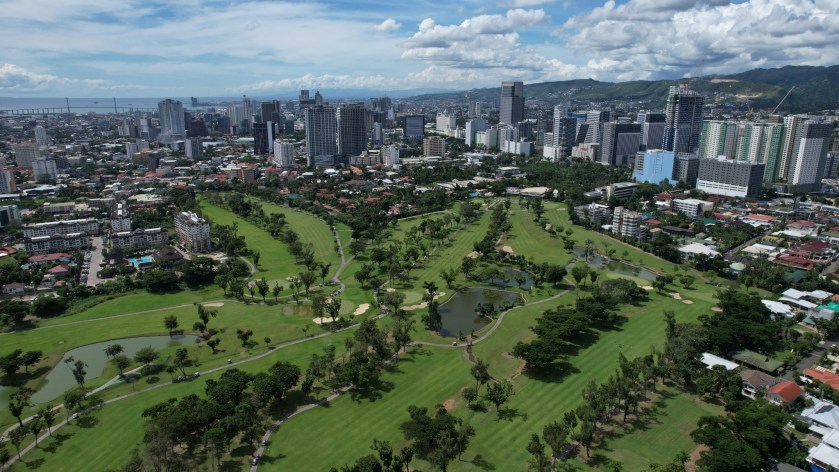
CEBU COUNTRY CLUB

Officially labeled as Gov. M Cuenco Avenue, but for this article, we prefer to call it by its more commonly known name.

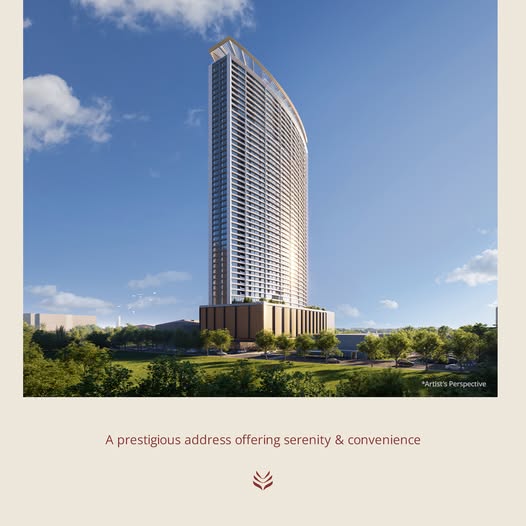
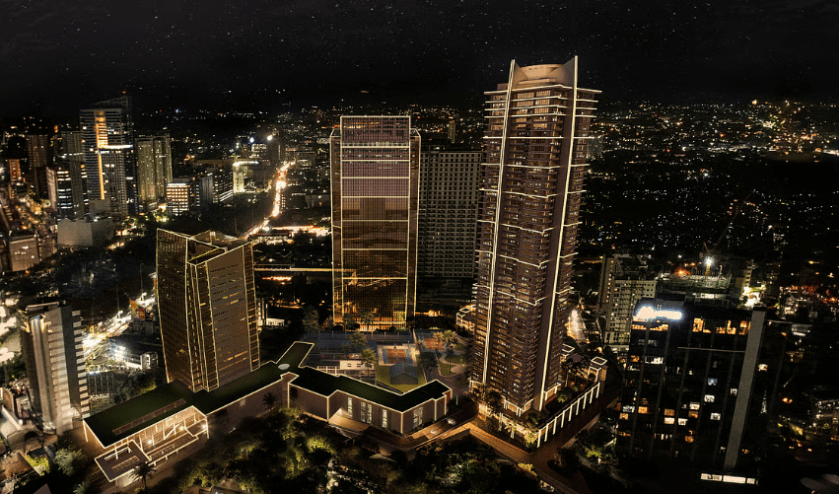
Banilad Road is quickly shedding its old identity as a sleepy thoroughfare and emerging as one of Cebu’s most prestigious addresses. Where once there were quiet residential enclaves and vacant patches of land, there now tower cranes of glass and concrete skyscrapers and gated estates. This corridor has become the playground of the country’s top developers and the favored home base of Cebu’s elite.

Rockwell, Arthaland, Shang Properties, all synonymous with luxury, are in the thick of construction here. Each project promises not only high-end residences but also curated lifestyle hubs: cafés, boutique retail, wellness centers, and concierge-level services that define the modern urban elite experience. The sight of cranes, bulldozers, and rising concrete structures tells the story of a new chapter in Cebu real estate, a chapter written for those who want nothing less than world-class living within the city.

IPI ROCKWELL

But what truly sets Banilad Road apart is its backyard: the Cebu Country Club Golf Course. For decades, the club has been the benchmark of exclusivity. Its manicured greens and tree-lined fairways form the centerpiece of this luxury corridor, serving as both a status symbol and a sanctuary. To live along Banilad is not merely to own a home; it is to belong to a community where wealth is generational, privacy is paramount, and prestige is quietly understood.

Here, mornings begin not with the rush of traffic but with the soft whirr of a golf cart. Members and residents enjoy unhurried games under the shade of decades-old acacia trees. At the clubhouse, quiet conversations over brunch often carry more weight than boardroom meetings. The club is where business, leisure, and family converge seamlessly, its social calendar as exclusive as its guest list.

The presence of the golf course also gives the area a rare character. Unlike the congested commercial strips of Cebu, Banilad Road feels spacious. Wide sidewalks and landscaped perimeters buffer residents from the city’s chaos. The hum of Teslas and European SUVs is a common background sound, often accompanied by uniformed drivers waiting patiently outside shaded porticos. Everything in this corridor is designed for ease, comfort, and discretion.

This mix of old money and new affluence is what makes Banilad Road fascinating. The Country Club represents Cebu’s established families, whose influence is woven into the city’s history. Meanwhile, Rockwell, Arthaland, Shang, and Filinvest are bringing in a new generation of homeowners—young entrepreneurs, returning global Filipinos, and executives who see Cebu not just as a hometown but as a rising global hub. Along Banilad, the past and future of Cebu’s wealth meet, literally side by side.

SHANG BAUHINIA

Of course, exclusivity comes at a price. Property values along Banilad Road have surged in recent years, with lots near the golf course commanding premiums once thought unimaginable in Cebu. Real estate insiders whisper that the next wave of launches here could rival Makati and BGC in terms of pricing, as Cebu asserts itself as the Philippines’ southern economic capital. And yet, demand never falters. For the ultra-wealthy, owning a home here is not just about square meters, it is about securing an address that speaks volumes.

FILINVEST

Banilad Road is a statement of aspiration, a corridor of prestige, and perhaps, the clearest symbol of Cebu’s rising power. To live here is to belong to the city’s most rarefied circle, where luxury is not displayed loudly, but enjoyed quietly, just beyond the hedges of the golf course.

So it is just fitting to be called the boulevard of billionaires and those aspiring to be.

Golden Gate Memorial Gardens: A Timeless Investment in Daanbantayan, Cebu

In the Philippines, we often talk about investing in condominiums, house-and-lots, or commercial properties. But there is one type of real estate investment that many overlook yet it carries both financial wisdom and emotional value: pre-selling memorial gardens.

Unlike other assets, memorial lots are not just pieces of land. They are sacred spaces where families find comfort, remembrance, and peace. And while it may be uncomfortable to talk about, preparing ahead is one of the most meaningful legacies you can leave behind.

Golden Gate Memorial Gardens: A First for Daanbantayan

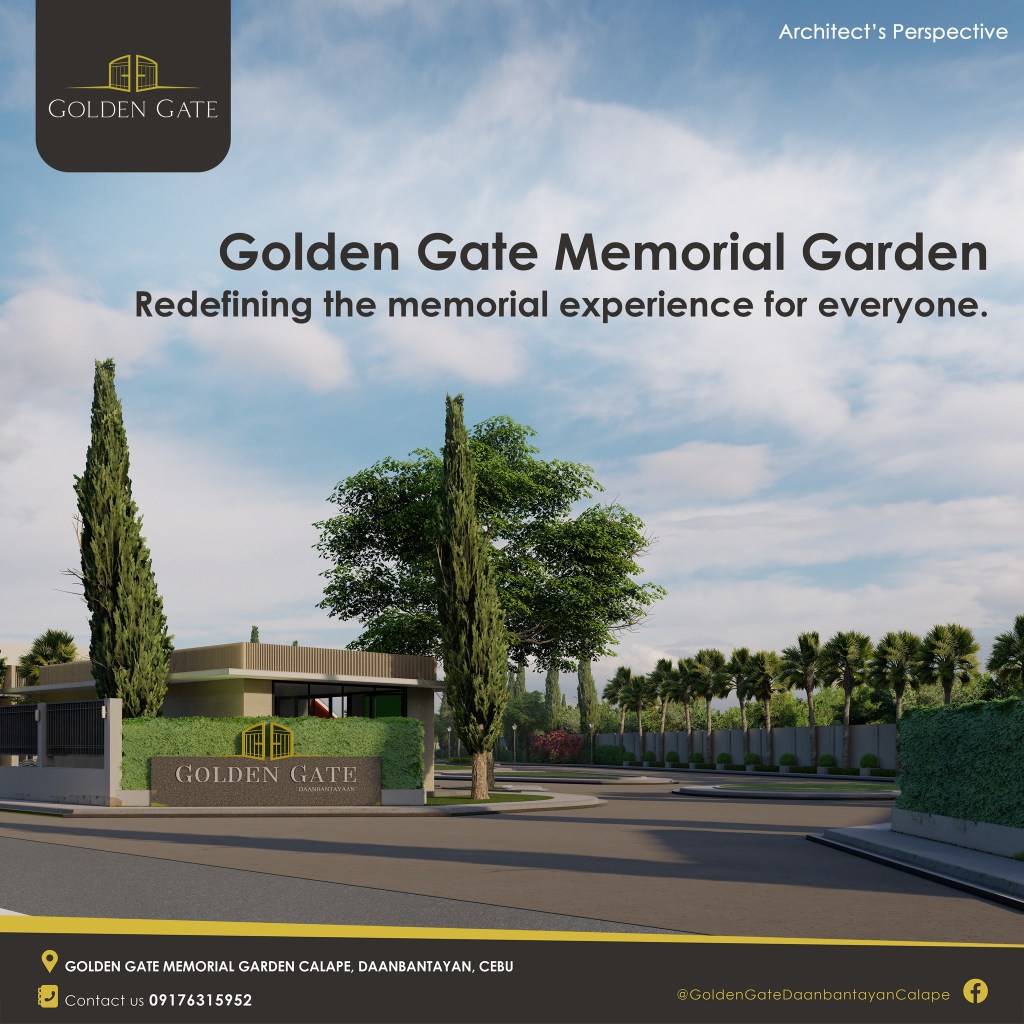
One remarkable example is Golden Gate Memorial Gardens, a new pre-selling project in Calape, Daanbantayan, Cebu. It is the first high-end memorial garden in town, designed not only as a place of rest but also as a landmark of serenity and heritage.

Golden Gate will feature:

Lawn lots and Family estates for dignified spaces of remembrance

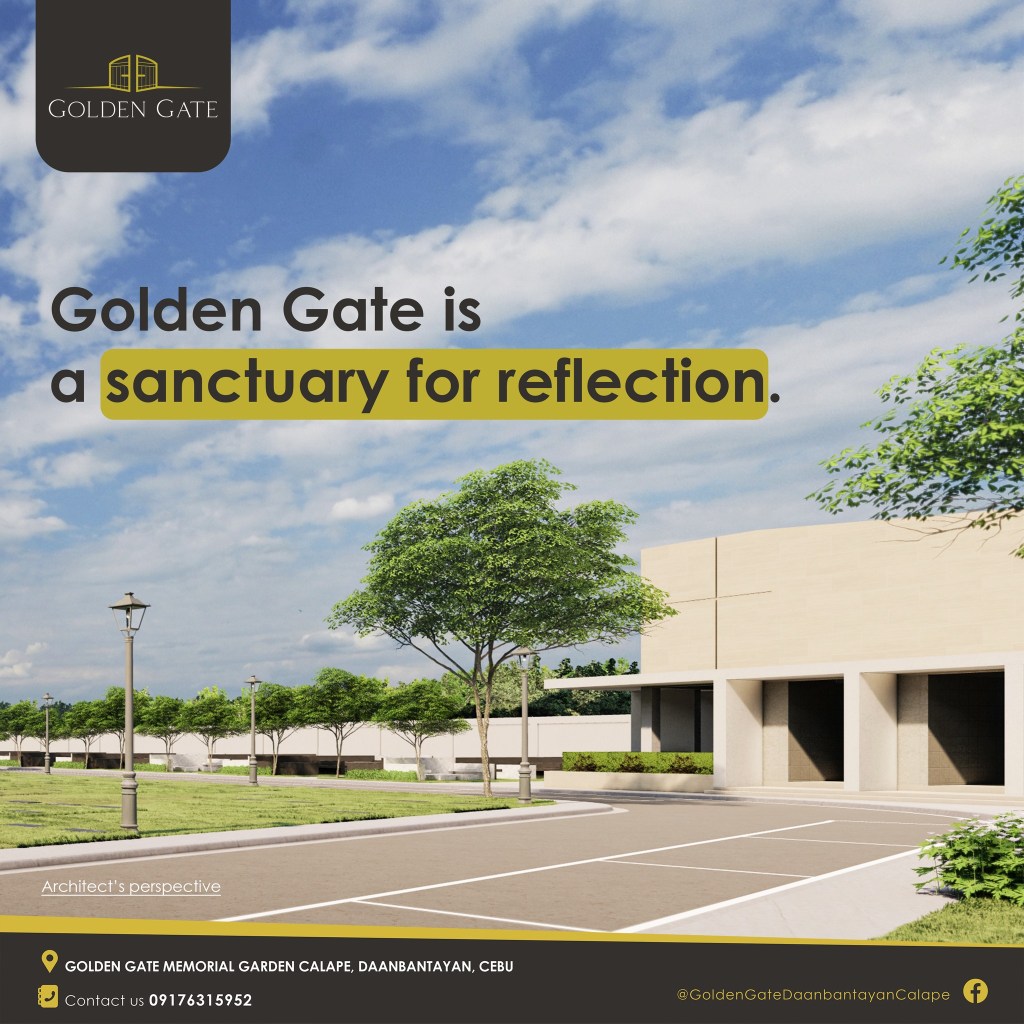
A modern chapel for solemn gatherings and reflection

A columbarium for families choosing cremation

Kids playground

A cozy coffee shop, yes you’ve read it right!

And its iconic centerpiece, The Sentinel, a stunning 23-meter obelisk that will stand as a symbol of legacy, love, and eternal memory.

The Sentinel

Importantly, Golden Gate already has its License to Sell from the government, which means buyers can invest with full confidence in the project’s legitimacy and security.

Timing Matters: Groundbreaking and Introductory Pricing

The groundbreaking ceremony is set for September 5, marking the beginning of this landmark development. Until that date, Golden Gate is offering its lots at an introductory price, making it the best time to invest.

After the groundbreaking, prices will increase, reflecting the project’s added value as construction begins. Early investors will not only secure the most affordable rates but also maximize the appreciation of their investment in the coming years.

A Growing and Everlasting Demand

Unlike condominiums or subdivisions where market demand may fluctuate, memorial gardens carry a demand that never diminishes. Every Filipino family will eventually need a resting place for their loved ones. This reality makes memorial lots one of the most stable and recession-proof investments.

Protecting Loved Ones from Future Burdens

The most emotional aspect of this investment is its impact on your family. In times of grief, the last thing we want our loved ones to worry about are rising costs and last-minute arrangements. Having a memorial garden secured in advance spares your family from additional emotional and financial stress.

A Legacy Beyond Wealth

When you buy a memorial lot today, you are not only making a sound financial move—you are also giving your family the gift of foresight. You are telling them: “I have thought of you. I want to make things easier when the time comes.”

Real estate will always be a wise investment, but investing in Golden Gate Memorial Gardens in Daanbantayan, Cebu carries a deeper meaning. With its world-class design, and limited time introductory pricing before its September 5 groundbreaking, Golden Gate is an investment in land and an investment in peace of mind, family legacy, and eternal remembrance.

Memorial LTS No. 058

Columbarium LTS No. 0002202

The Last Dawn of the Cebu Tamaraw

From the displays of National Museum Cebu

Ten thousand years ago, in the damp cool of a Pleistocene morning, the slopes of Cebu stirred with movement. From the shadow of giant ferns emerged a small, sturdy figure, stocky legs planted firmly, crescent-shaped horns sweeping outward, dark eyes sharp with caution. This was the Cebu Tamaraw, Bubalus cebuensis, the island’s own wild water buffalo.

It was no towering beast like its mainland cousins. Standing barely 75 centimeters at the shoulder and weighing around 150 kilograms, it was a product of island dwarfism, nature’s quiet strategy for survival where food was scarce and space was tight. Here, smaller meant stronger in the long run, quicker to feed, easier to hide.

The tamaraw herds moved in loose groups, grazing the grass patches between Cebu’s forests. Mornings were spent feeding; afternoons, resting in the shade of almaciga and fig trees. They were not prey to be taken lightly. Their horns, though smaller than those of mainland buffalo, could gore a wild dog in a heartbeat. Their compact frames hid powerful muscles built for sudden bursts of speed.

The Shrinking World

But the island was changing. The Ice Age seas were rising, the lowlands shrinking. Grassland gave way to thicker forest. Food became harder to find. The herds grew restless, their trails narrower, their calves fewer.

And then came a new predator, humans. Armed with sharpened spears and clever traps, they began to stalk the tamaraws along the edges of the forest.

One legend tells of a herd cornered near the high ridges of what is now Balamban. Surrounded by hunters, the tamaraws lowered their heads and charged together, horns forward, hooves pounding, a living wall of defiance. They broke through the line once, twice, but the world they knew had already slipped away.

What Remains

Today, their bones tell the rest of the story. Fossil fragments found in Cebu’s caves revealed their small stature, robust teeth, and powerful legs, echoes of an animal perfectly adapted for its island home, yet ultimately unable to outpace change.

In the Cebu Museum, life-sized reconstructions stand frozen in eternal grazing, their black hides glistening under artificial sunlight. Visitors pass by, some pausing to imagine the real thing, moving in the mist, hooves wet with morning dew, vanishing into the green shadows of a Cebu that no longer exists.


Cebu Trans-Axial Highway: When Will It Finally Materialize?

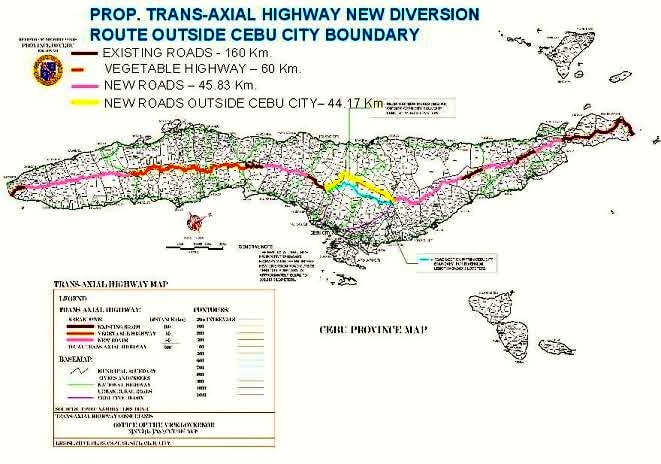
The dream of a 300-kilometer backbone expressway that will connect the southern tip of Cebu in Santander all the way to the northernmost town of Daanbantayan has been in the pipeline for years. Known as the Cebu Trans-Axial Highway, this ambitious infrastructure project is envisioned to serve as the island’s main arterial road, boosting connectivity, cutting travel time, and spurring economic growth across the province.

The project had its pre-feasibility study completed in 2008, marking the first step toward its realization. By 2013, it gained further traction when it was formally endorsed by the Regional Development Council (RDC), signaling strong local support and recognition of its potential to transform Cebu’s transportation landscape.

Yet, more than a decade later, the highway remains on the drawing board. The key reason: it is still awaiting approval from the National Economic and Development Authority (NEDA) national office. Without the green light from NEDA, the project cannot move forward to full feasibility studies, funding arrangements, and eventual construction.

During the 2025 campaign, Cebu Governor Pam Baricuatro mentioned that she would revive the plan, giving renewed hope to proponents who have long been calling for the project’s realization. With Cebu’s population and economic activity continuing to grow, they argue that the Trans-Axial Highway is no longer just a development vision but an urgent necessity.

For many Cebuanos, the question remains: When will this long-awaited expressway finally materialize? Until decisive action is taken, the dream of driving seamlessly from Santander to Daanbantayan will remain just that , a dream on paper.