
The Ill-Fated Sulpicio Lines
For decades, Sulpicio Lines was not just a shipping company, it was a lifeline, a bridge, a faithful companion to millions of Filipinos who crossed the seas between Cebu and the rest of the archipelago.
Founded in 1973, and headquartered in the bustling maritime city of Cebu, Sulpicio Lines quickly rose from humble beginnings to become one of the largest and most relied-upon passenger and cargo shipping companies in the Philippines. At its peak, its fleet crisscrossed routes from Cebu to Manila, Davao, Zamboanga, Cagayan de Oro, Iloilo, and beyond.
For countless families, riding a Sulpicio vessel was a chapter in their lives—OFWs coming home, children returning for school vacations, lovers reuniting, entire communities moving across islands. Sulpicio Lines symbolized connection and hope.
But the seas, as always, have a long memory.
A Giant Shadowed by Tragedy
Behind the company’s impressive rise lay a series of tragedies that would forever stain its legacy. Not one, not two, but four of the deadliest maritime disasters in Philippine history bore the name Sulpicio Lines.
1987 – The MV Doña Paz

A festive December night turned into the darkest chapter in Philippine maritime history. The Doña Paz, massively overcrowded, collided with the oil tanker MT Vector. In minutes, fire consumed the sea. Over 4,000 lives were lost—mothers, children, entire families—making it the deadliest peacetime maritime disaster in the world.
The nation mourned.
But for Sulpicio Lines, this was only the beginning of a haunting pattern.
1988 – The MV Doña Marilyn
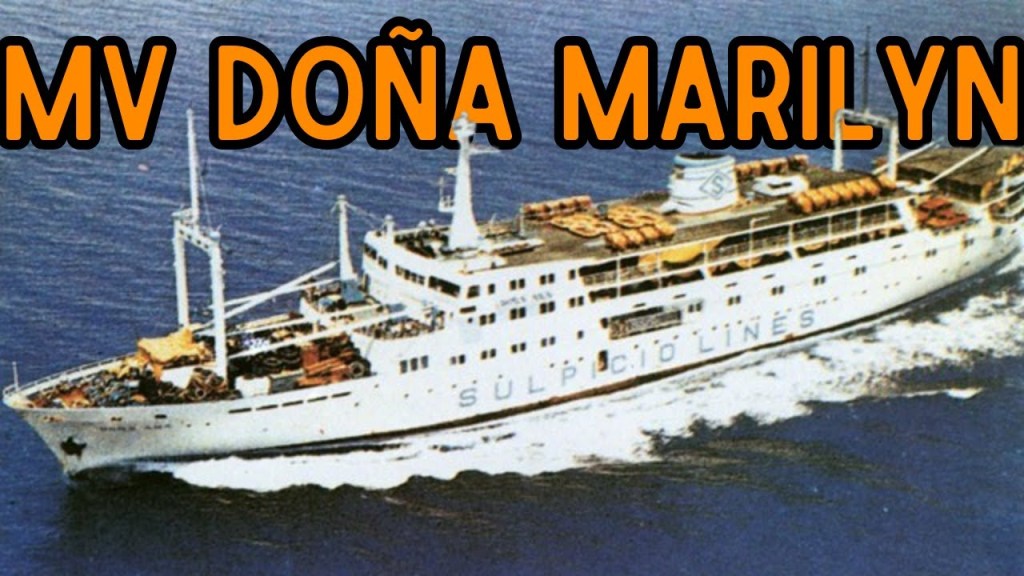
Just a year later, her sister ship was claimed by Typhoon Ruby. Hundreds more never returned home.
1998 – The Princess of the Orient
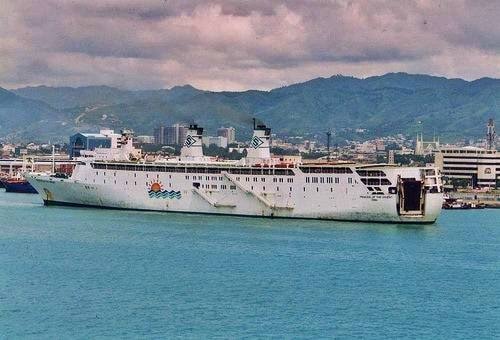
A powerful storm off Batangas Bay sent the vessel to the depths, taking more than a hundred lives with it.
2008 – The Princess of the Stars
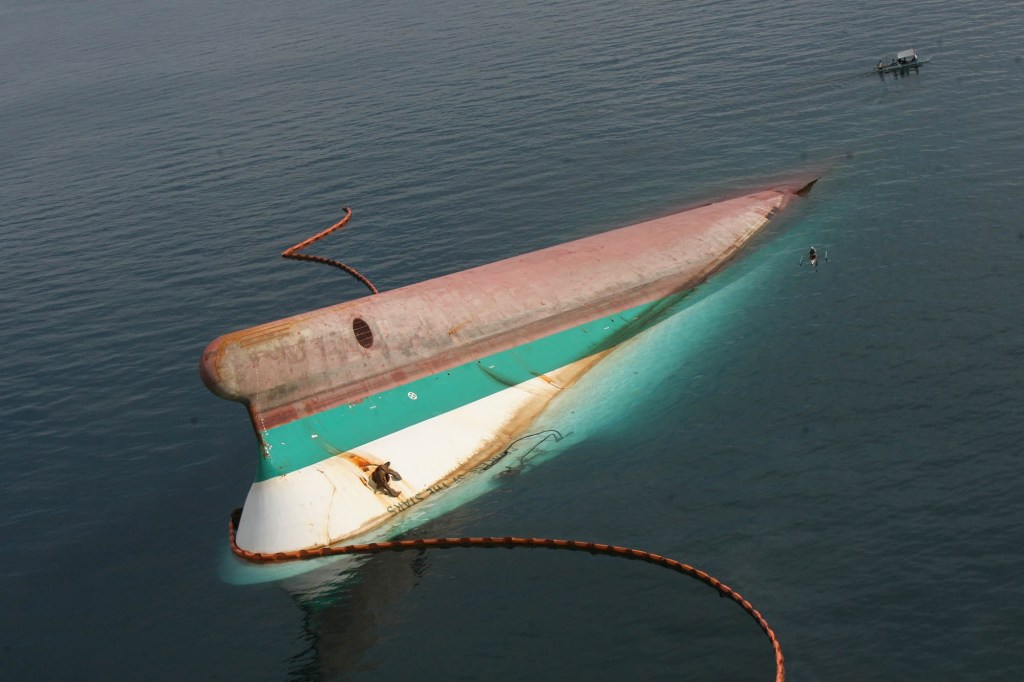
Caught by Typhoon Frank, the ship capsized near Romblon. More than 800 died. It was a national heartbreak.
Each tragedy carved deeper wounds into the soul of a company once trusted by millions. Each disaster added layers of grief to the Philippine maritime history.
And with every loss, public trust slipped further away.
A Company Forced to Change Course
By the early 2010s, Sulpicio Lines was no longer the giant it once was. Government pressure, lawsuits, investigations, and the weight of its own history pushed the company to retreat from transporting passengers altogether.
It rebranded as Philippine Span Asia Carrier Corporation (PSACC) and shifted exclusively to cargo shipping. But even as it tried to rebuild itself, fate was not done with it.
2013 – Another Tragedy Just Off Cebu
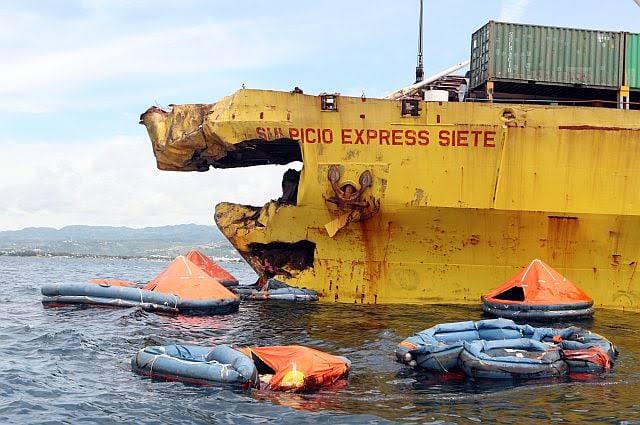
OnAugust 16, 2013, the cargo vessel MV St. Thomas Aquinas a passenger ferry of 2Go Shipping, collided with the cargo ship Sulpicio Express Siete near the Cebu City port. The passenger vessel sank rapidly. More than 100 people died, many of them trapped inside the ship. Oil slicks polluted the waters surrounding Cebu, affecting marine life and the livelihoods of fishermen.
It was a painful reminder: even after leaving the passenger business, the company’s name remained entangled with disaster.
A Legacy of Fortune and Misfortune
Sulpicio Lines was once a symbol of the thriving Cebu maritime industry, a company built with ambition, vision, and the desire to connect an island nation. Its ships carried dreams, reunions, and the everyday stories of Filipinos.
But history remembers it differently.
Not for its scale.
Not for its decades of service.
But for the tragedies, massive, unforgettable, life-altering.
Its story is not just the story of a company. It is the story of a country learning, often painfully, the cost of weak regulations, dangerous seas, and the human tendency to trust that tomorrow’s voyage will always be safe.
The Ill-Fated Sulpicio Lines
A tale of triumph transformed into tragedy. A maritime titan undone not by competition, but by fate, misjudgment, and the unforgiving ocean. A name etched forever in the Filipino consciousness, not as the largest, nor the most successful, but as the most tragic chapter in our maritime history.
 InfoCebu