A new era has begun in the Maharlika Pilipinas Basketball League (MPBL) and Cebu is ready to rise. After a 5-year hiatus, Cebu returns to the league (MPBL) with a brand-new name and renewed fire.
Leading the charge is Head Coach Junthy Valenzuela, bringing experience, strategy, and heart to the court. Under his leadership, the Cebu Greats are set to make waves in the league.
There are 20 teams competing in the 2025 Season but only two are from the Visayas, The Greats and the Tubo Slashers of Bacolod City. Yes, the old nemesis back in the MBA era.
From real estate news and infrastructure updates to local legends, heritage, and business insights, InfoCebu is your digital home for everything Cebu.
Whether you’re a Cebuano,away for the moment, an investor looking in, or just curious about the Queen City of the South, we’re here to bring you closer to home.
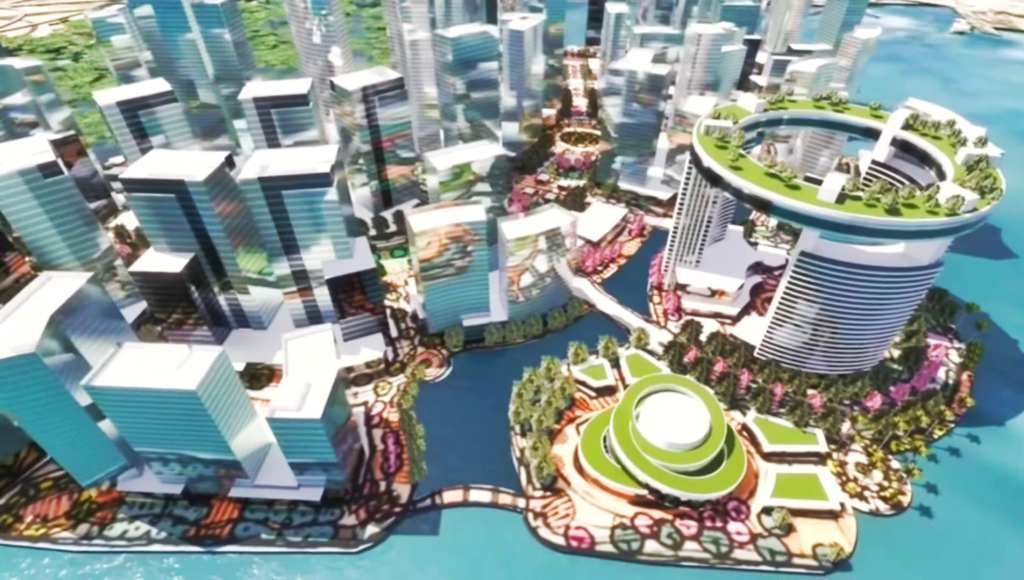
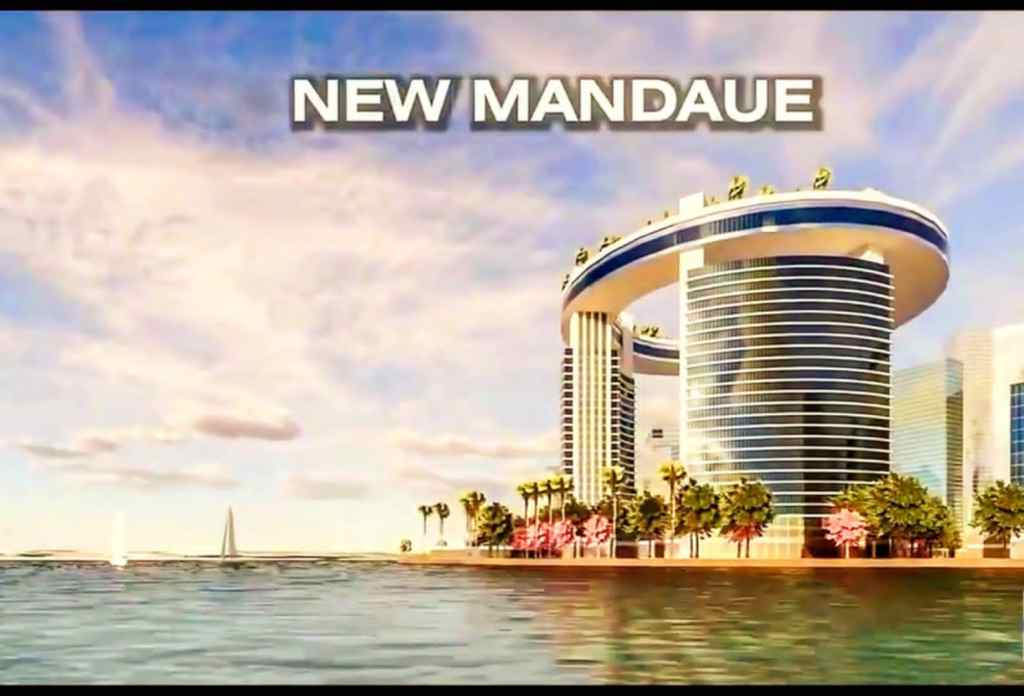
Once known for its heavy industry, Mandaue City is undergoing a dramatic transformation, one that may redefine Cebu’s urban future. Welcome to Global City Mandaue, a 131-hectare waterfront development poised to become a smart, green, and globally competitive urban district along the Mactan Channel.
From Vision to Reality
Global City Mandaue is not just another real estate project. It’s a multi-billion reclamation and urban transformation initiative, a bold attempt to build a fully integrated smart city that will blend commerce, governance, luxury living, green spaces, and culture.
The area that will be reclaimed spans across Barangays Paknaan and Umapad, right by the Marcelo Fernan Bridge, just 2.7 kilometers from the Mactan-Cebu International Airport.
The People Behind the Project
This megaproject is made possible through a public-private partnership between: Global City Mandaue Corporation (GCMC), a joint venture firm headed by Sheila Romero, with backing from Globalport 900 Inc, the City Government of Mandaue and the Philippine Reclamation Authority (PRA)
Supporting the technical backbone are world-class urban planners and engineers: CallisonRTKL, Royal HaskoningDHV, Arcadis, ESCA Inc., and Cebu-based Canizares Architects.
A City in Three Districts
The 131-hectare project is thoughtfully divided into three vibrant districts:
1. Civic District (Cemanda) — The heart of governance and community, this area will house the new Mandaue City Hall, police and fire stations, bus and ferry terminals, cultural venues, and religious centers.
2. Commercial District (Meridio) — Designed for business and innovation, it will feature high-rise office towers, retail spaces, hotels, convention centers, and tech incubators.
3. Waterfront Luxury District — Facing the Mactan Channel, this upscale zone will host residential towers, resort hotels, marina boardwalks, fine dining, and entertainment hubs. –
Smart & Sustainable Urbanism
Unlike older urban centers, Global City Mandaue is built with green principles at its core: BERDE-certified buildings Lush green belts, bike lanes, and jogging paths Vertical gardens and biophilic architecture A 2-km waterfront boardwalk and mangrove protection zones.
The Supreme Court’s 2025 decision to uphold the 131-hectare reclamation project provided the green light for the project to proceed.
Timeline
2013: Reclamation rights granted to Globalport 900 Inc.
2022: Groundbreaking and project relaunch
2023: Permits secured and environmental assessments approved
2025: Supreme Court decision gives green light for project to proceed
Why It Matters
With Cebu’s limited space available for development, Global City Mandaue will be a welcome expansion, but with the high cost of reclamation and development, this fresh inventory will not come in cheap.
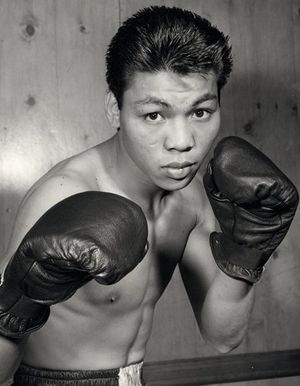
Before Manny Pacquiao ever laced a pair of gloves, one name stood tall in Philippine boxing, Gabriel “Flash” Elorde. Born on March 25, 1935, in Bogo, Cebu.
Elorde’s story is one of quiet beginnings, unshakable discipline, and international triumph. Long before boxing became a staple of Philippine pop culture, Flash was already carving his name into the annals of sports history.
Humble Beginnings in Bogo
Growing up in a modest family of 15 siblings, Elorde learned early the values of perseverance and resilience. He didn’t even finish elementary school—opting instead to help support his family by working various odd jobs. His boxing journey began informally, fighting in local bouts across Cebu, earning just a few pesos, but impressing crowds with his lightning-quick footwork—hence the nickname “Flash.”
Rising Through the Ranks
At just 16, Elorde turned professional and caught the attention of the national boxing scene. His graceful, southpaw style—later influenced by Filipino-American legend Ceferino Garcia—set him apart. But it was his training under Japanese fighter and trainer Koichi Wajima that refined his style into what would dominate the featherweight and junior lightweight divisions.
In 1956, Elorde shocked the boxing world by defeating Sandy Saddler, then the world featherweight champion, in a non-title bout in Manila. This victory put Elorde on the international radar.
World Champion
On March 16, 1960, Flash made history. He defeated Harold Gomes of the United States via a seventh-round knockout in Quezon City, capturing the World Junior Lightweight Title—the first Filipino to win a world boxing title since Pancho Villa in the 1920s. Elorde held the title for over seven years, defending it 10 times, a feat that remains unmatched in junior lightweight history.
A Champion Inside and Outside the Ring
Elorde wasn’t just a fighter; he was a gentleman. Known for his humility, discipline, and sportsmanship, he embodied the ideal Filipino athlete. He became a national figure during the 1960s, endorsing brands and appearing in media, but never losing his roots in Bogo.
After retiring in 1971, he helped train a new generation of Filipino boxers and established a boxing promotion business that would carry his name—the Elorde Boxing Gym, now run by his sons and grandchildren.
Legacy and Honors
Flash Elorde passed away on January 2, 1985, at the age of 49 due to cancer. But his legend continues. He was posthumously inducted into the International Boxing Hall of Fame in 1993. In his honor, the Flash Elorde Awards recognize the best in Philippine boxing every year. A statue of him stands proudly at the Bogo City Plaza, reminding locals that greatness can rise from even the humblest of origins.
“Unisol started as a vision to empower experienced sewers in our community while addressing the demand for high-quality uniforms. Today, we’re not just making uniforms; we’re revolutionizing the industry through innovation and technology,” Chief Executive Officer Jonas Quilantang said.
In 2017, Quilantang, chief executive officer of Unisol, realized a gap in the clothing industry. “We saw a gap in the uniform industry. With Unisol, we aim to fill that space by offering high-quality, scalable uniform solutions, while employing skilled workers in our community.”
While the market for ready-to-wear fashion had established major players, the workwear and uniform sector needed a go-to brand. This realization sparked the creation of Unisol, a company driven by a bold vision: to revolutionize the uniform industry and become the leading brand in the Philippines.
From Hobby to Enterprise
Quilantang started selling T-shirts in school as a hobby. However, two key realizations in 2017 set the course for its establishment.
First, despite the high demand for uniforms, there was no dominant brand in the market. Unlike food or shelter, clothing, while a basic need, was underserved regarding professional workwear.
Secondly, Lapu-Lapu City, where Unisol is based, is home to large manufacturing facilities for international brands like Adidas and Under Armour. When these brands’ contracts ended, experienced workers—skilled in producing high-quality garments—were often left unemployed.
“It sparked the vision of Unisol,” Quilantang explains. “We saw the opportunity to create a social enterprise that could provide these experienced sewers a second chance at employment, while also filling a market gap.”
Building from Scratch
Starting with just five sewing machines and no factory, Unisol had humble beginning. Setting up a fully functional factory took years, as they expanded to include essential machinery such as embroidery machines and sublimation printers. When he established his company, he saw that the country’s uniform industry still used outdated processes. Unisol aimed to change that.
Quilantang and his team focused on modernizing uniform production by integrating technology into the entire process. By 2022, after five years of setting up their production facility, Unisol was ready to scale and innovate. Their goal was not just to make uniforms but to revolutionize how uniforms were produced, making the process more efficient, scalable, and adaptable to market demands.
Tech-Driven Innovation
Today, Unisol is a tech-driven apparel company that utilizes innovative processes to streamline uniform production. One of its standout innovations is its booking and order management system, which addresses common issues in the uniform industry: long lead times and unpredictable delivery dates. With this system, Unisol ensures that clients receive high-quality uniforms on time, every time.
“We want to be the ‘Jollibee’ of uniforms in the Philippines,” says Quilantang, referring to the country’s beloved fast-food chain known for its reliability and consistency. Unisol’s vertically integrated manufacturing facility allows the company to control the entire production process, from fabric selection to final assembly. This ensures that every uniform meets their high standards of quality and durability.
Social Enterprise at Its Core
Beyond profit, Unisol operates with a strong social mission, creating employment for skilled workers who had previously been let go by international brands. Unisol also showed its capability to adapt to challenges.
During the pandemic, there was no demand for uniforms. While other businesses had to suspend operation, Unisol made adjustments by producing face masks to meet the high market demand. This allowed Unisol to employ around 3,000 sewers—up from their usual team of 300 to 500 workers. This not only validated their business model. It also reinforced their role as a social enterprise committed to supporting the local community.
“Unisol is about more than just uniforms,” Quilantang emphasizes. “We’re about creating jobs, empowering workers, and contributing to the economy.”
Revolutionizing Workwear
Unisol’s products include T-shirts, polo shirts, button-downs, jackets, and pants. These come in various fits and designs to suit different industries and client preferences. They’ve even introduced a line called “A Family,” which offers complete uniform sets for workers to wear from Monday to Friday—a solution for companies that want their employees to look consistent throughout the week without repeating outfits.
Unisol is proud to offer two unique product lines to meet the diverse needs of businesses everywhere. It introduced the Chameleon uniform set for companies and organizations who want a complete and cohesive look for the entire workweek. The Chameleon set is crafted from premium materials and provides comfort and durability.
For those on the go or those needing fast and easy-to-order uniforms for events, Unisol offers the menu-based U-Go Unliprint uniform collection. This collection offers a choice of T-shirt, polo shirt, button-down, or jacket designed to look professional. Unisol’s innovative unliprint technology, uniforms will no longer be boring.
By offering diverse product lines, including items tailored to schools and corporate clients, Unisol can cater to different market segments while maintaining high standards.
Looking Ahead
Unisol now plans to expand its market reach nationwide. With eyes on the future, Unisol will join the Manila Fame 2024 Reimagination, a Home, Fashion, and Lifestyle Trade Show set on October 17-19, 2024 to be held at the World Trade Center.
Unisol is poised for continued growth as it refines its production capabilities and expands its product offerings. With a research and development team dedicated to testing and improving products, Unisol remains committed to innovation. Their goal is clear: to be the number one provider of uniform apparel in the Philippines while uplifting the community that helped them get there.
“Unisol is more than a business—it’s a movement,” says Quilantang. “We’re here to disrupt the industry, provide opportunities for our workers, and offer high-quality, affordable uniforms that help brands and companies shine.”
In a market that’s ready for change, Unisol is leading the way.







 InfoCebu