Blog

The Unfortunate Fleet of Sulpicio Lines


The Ill-Fated Sulpicio Lines

For decades, Sulpicio Lines was not just a shipping company, it was a lifeline, a bridge, a faithful companion to millions of Filipinos who crossed the seas between Cebu and the rest of the archipelago.

Founded in 1973, and headquartered in the bustling maritime city of Cebu, Sulpicio Lines quickly rose from humble beginnings to become one of the largest and most relied-upon passenger and cargo shipping companies in the Philippines. At its peak, its fleet crisscrossed routes from Cebu to Manila, Davao, Zamboanga, Cagayan de Oro, Iloilo, and beyond.

For countless families, riding a Sulpicio vessel was a chapter in their lives—OFWs coming home, children returning for school vacations, lovers reuniting, entire communities moving across islands. Sulpicio Lines symbolized connection and hope.

But the seas, as always, have a long memory.

A Giant Shadowed by Tragedy

Behind the company’s impressive rise lay a series of tragedies that would forever stain its legacy. Not one, not two, but four of the deadliest maritime disasters in Philippine history bore the name Sulpicio Lines.

1987 – The MV Doña Paz

MV Dona Paz

A festive December night turned into the darkest chapter in Philippine maritime history. The Doña Paz, massively overcrowded, collided with the oil tanker MT Vector. In minutes, fire consumed the sea. Over 4,000 lives were lost—mothers, children, entire families—making it the deadliest peacetime maritime disaster in the world.

The nation mourned.

But for Sulpicio Lines, this was only the beginning of a haunting pattern.

1988 – The MV Doña Marilyn

MV Dona Marilyn

Just a year later, her sister ship was claimed by Typhoon Ruby. Hundreds more never returned home.

1998 – The Princess of the Orient
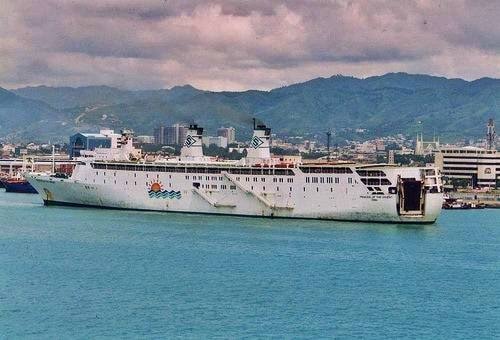
MV Princess of the Stars

A powerful storm off Batangas Bay sent the vessel to the depths, taking more than a hundred lives with it.

2008 – The Princess of the Stars
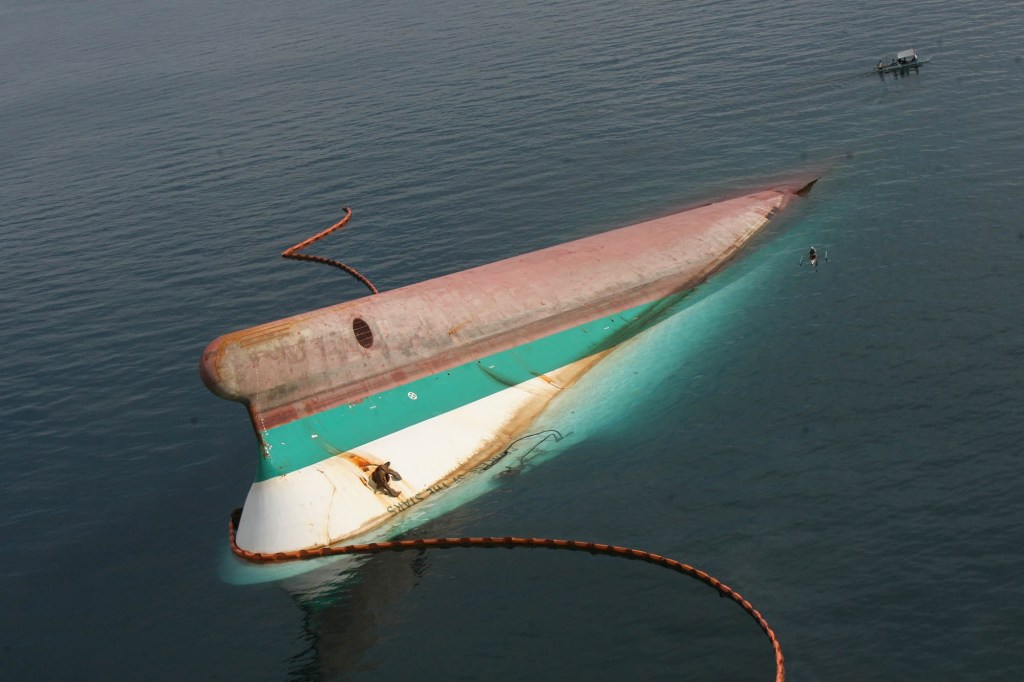
MV Princess of the Stars

Caught by Typhoon Frank, the ship capsized near Romblon. More than 800 died. It was a national heartbreak.

Each tragedy carved deeper wounds into the soul of a company once trusted by millions. Each disaster added layers of grief to the Philippine maritime history.

And with every loss, public trust slipped further away.

A Company Forced to Change Course

By the early 2010s, Sulpicio Lines was no longer the giant it once was. Government pressure, lawsuits, investigations, and the weight of its own history pushed the company to retreat from transporting passengers altogether.

It rebranded as Philippine Span Asia Carrier Corporation (PSACC) and shifted exclusively to cargo shipping. But even as it tried to rebuild itself, fate was not done with it.

2013 – Another Tragedy Just Off Cebu
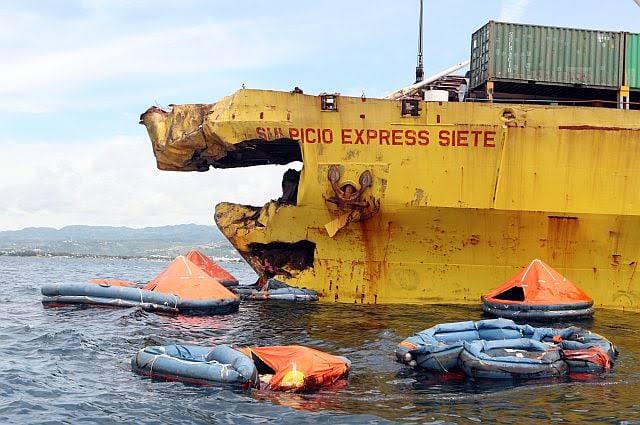
Sulpicio Express Siete

OnAugust 16, 2013, the cargo vessel MV St. Thomas Aquinas a passenger ferry of 2Go Shipping, collided with the cargo ship Sulpicio Express Siete near the Cebu City port. The passenger vessel sank rapidly. More than 100 people died, many of them trapped inside the ship. Oil slicks polluted the waters surrounding Cebu, affecting marine life and the livelihoods of fishermen.

It was a painful reminder: even after leaving the passenger business, the company’s name remained entangled with disaster.

A Legacy of Fortune and Misfortune

Sulpicio Lines was once a symbol of the thriving Cebu maritime industry, a company built with ambition, vision, and the desire to connect an island nation. Its ships carried dreams, reunions, and the everyday stories of Filipinos.

But history remembers it differently.

Not for its scale.

Not for its decades of service.

But for the tragedies, massive, unforgettable, life-altering.

Its story is not just the story of a company. It is the story of a country learning, often painfully, the cost of weak regulations, dangerous seas, and the human tendency to trust that tomorrow’s voyage will always be safe.

The Ill-Fated Sulpicio Lines

A tale of triumph transformed into tragedy. A maritime titan undone not by competition, but by fate, misjudgment, and the unforgiving ocean. A name etched forever in the Filipino consciousness, not as the largest, nor the most successful, but as the most tragic chapter in our maritime history.


MIRACLE ON A BANANA TRUNK: THE INCREDIBLE SURVIVAL OF CHRISTIAN ABANTO

When the world is drowning in tragedy, some stories rise above the waves, reminding us that even in the darkest storms, the human spirit refuses to surrender.

This is one of those stories.

When Typhoon Tino unleashed its fury over Balamban, Cebu, 33-year-old Christian Abanto had only seconds to react. In Barangay Cantuod, where his home once stood strong, the violent floodwaters arrived like a monster, roaring, unforgiving, unstoppable.

In one terrifying sweep, his house was torn from the ground. And Christian, caught in the chaos, was swallowed by the raging currents.

A ‘Missing’ post by his wife on facebook

In the blur of panic and devastation, he grabbed onto the first thing his hands touched, a banana trunk, floating amid the debris. It was fragile, waterlogged, and barely enough to carry one man.

But in that moment, it was life.

It was hope.

It was the thin line between survival and surrender.

For three days and two nights, Christian drifted into the open sea.

No food.

No fresh water.

No idea where he was.

Only the endless horizon and the crash of relentless waves.

He prayed as the sun scorched his skin.

He cried as the cold nights numbed his body.

And every time his strength faded, he whispered to himself:

Dili pa ko mo-undang. Someone is waiting for me.” (I will not give up. Someone is waiting for me.)

He thought of his family.

He thought of home.

He thought of life beyond the storm.

And so he held on, literally—to a single banana trunk, refusing to let go, refusing to be another name added to the tragedy of Tino.

But miracles often come quietly.

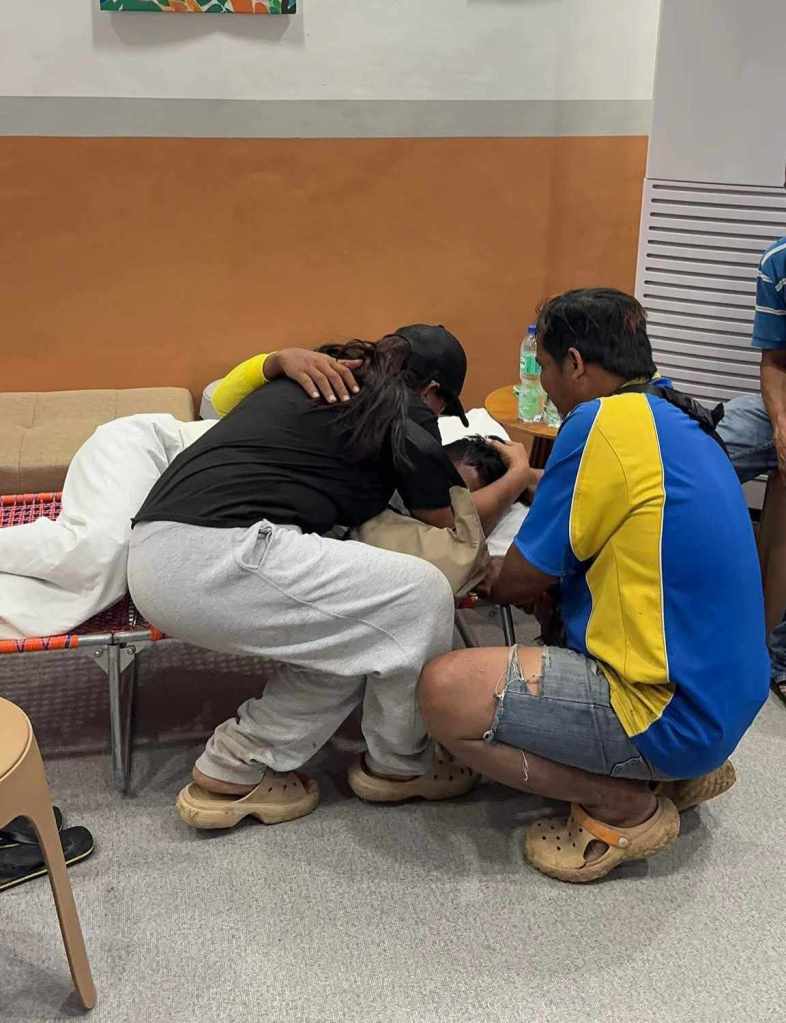
Off the coast of San Remigio, a passenger pumpboat crew spotted an unusual silhouette floating on the waves. As they approached, their disbelief turned into urgency, it was a man, exhausted, sunburned, trembling, but alive.

Christian Abanto, lost for three days, was found.

Christian Abanto after he was rescued

A life saved.

A family spared from grief.

A miracle born from faith and sheer will.

Christian’s story is more than survival. It is a reminder.

That even when everything is washed away, your home, your strength, your certainty—hope floats.

That in a sea of despair, one act of courage can carry you through the longest night.

That life, no matter how fragile, can endure if you choose to keep fighting.

In the aftermath of Typhoon Tino, as Cebu mourns and rebuilds, Christian’s miracle shines like a lighthouse in the storm:

We are stronger than the waters that try to drown us.

We are braver than the storms that try to break us.

And as long as we hold on, even to the smallest piece of hope, we can survive anything

Reunited with his family

THE KINGDOM OF MABOLO: From Ancient Capital to Modern Cebu

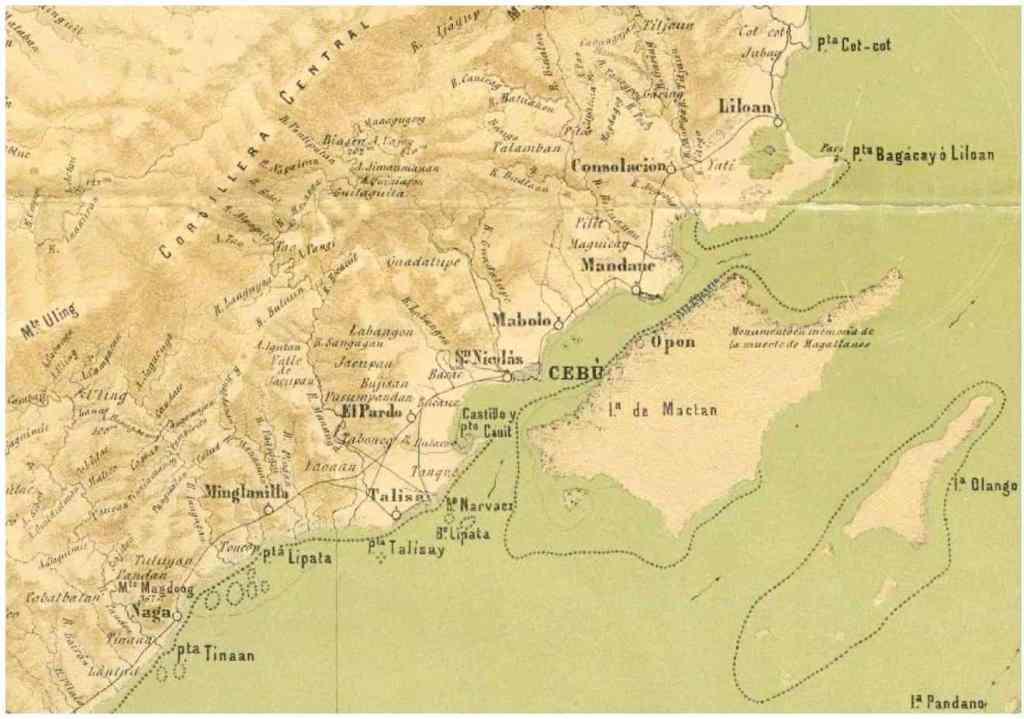
Map of Old Cebu showing Mabolo town

Before there was Cebu City, there was Singhapala, the ancient capital of the Indianized kingdom of Cebu, founded by the legendary Sri Lumay. And right where Barangay Mabolo now stands is believed to be the heart of that ancient realm, the cradle of early Cebuano civilization.

Long before Spanish ships anchored on our shores, the land of Mabolo was already a thriving hub of trade and culture. Here, native leaders ruled, merchants from distant islands exchanged goods, and life was shaped by Indian and Malay influences. This was the Cebu that time almost forgot, the Kingdom of Mabolo, centuries before it became part of a bustling city.

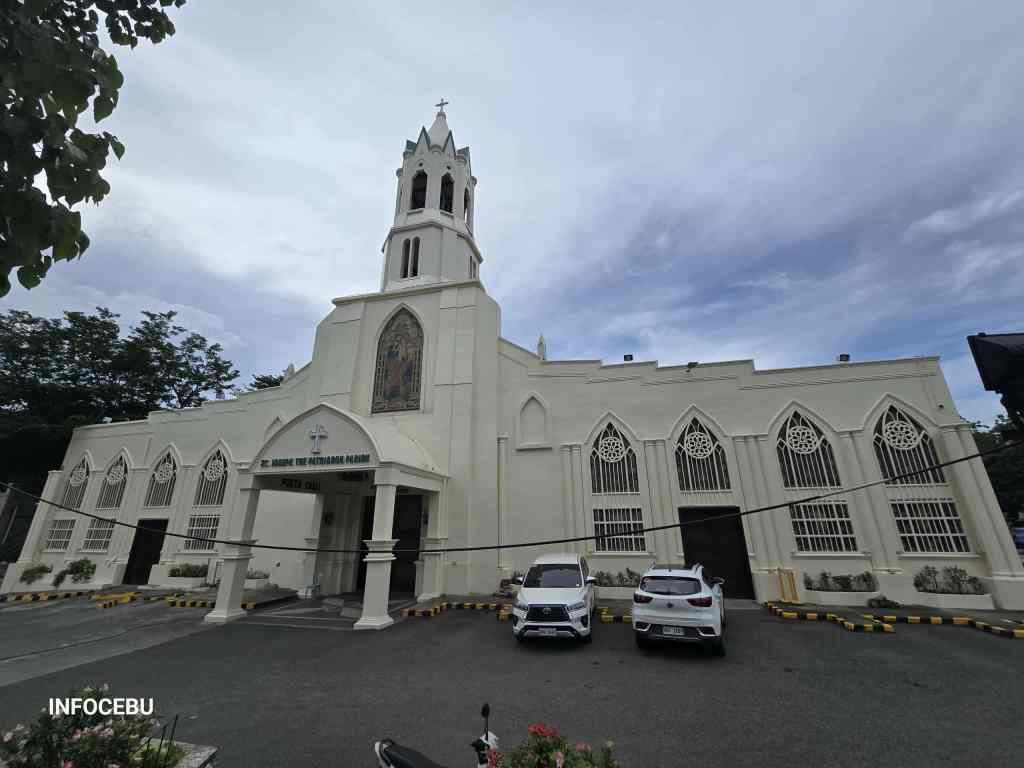
As the Spanish colonial era dawned, Mabolo evolved from a royal capital into a flourishing town of farmers, traders, and the faithful. In 1850, the Mabolo Parish was established, giving the community a spiritual anchor.

The town was named after the mabolo tree, whose fruit, a type of Philippine persimmon known for its soft red velvet skin and fragrant flesh, once grew abundantly across the area.

Mabolo Tree

By the late 1800s, Mabolo stood proudly as an independent municipality, rich in tradition and community spirit. But change arrived with the American period.

Mabolo Church

In 1905, Mabolo’s independence as a town ended when it was incorporated into the growing City of Cebu, along with other nearby municipalities.

The Old bell

What was once the seat of an ancient kingdom became part of a modern metropolis. Yet beneath the concrete and city lights, Mabolo’s roots run deep, whispering the story of Singhapala, of Sri Lumay, and of a humble fruit tree that gave a kingdom its name. 🍈✨

From Spotlight to Service: The Inspiring Journey of Carol Ballesteros

Her life shows that true success is not found in titles or fame, but in the lives one inspires and transforms.


Education

From an early age, Carol Ballesteros displayed a rare blend of brilliance and versatility. A consistent honor student, she excelled not only in academics but also in leadership and the arts. She held key roles in school-based organizations, the campus publication, and the dramatics guild—early signs of her natural gift for communication and creativity.

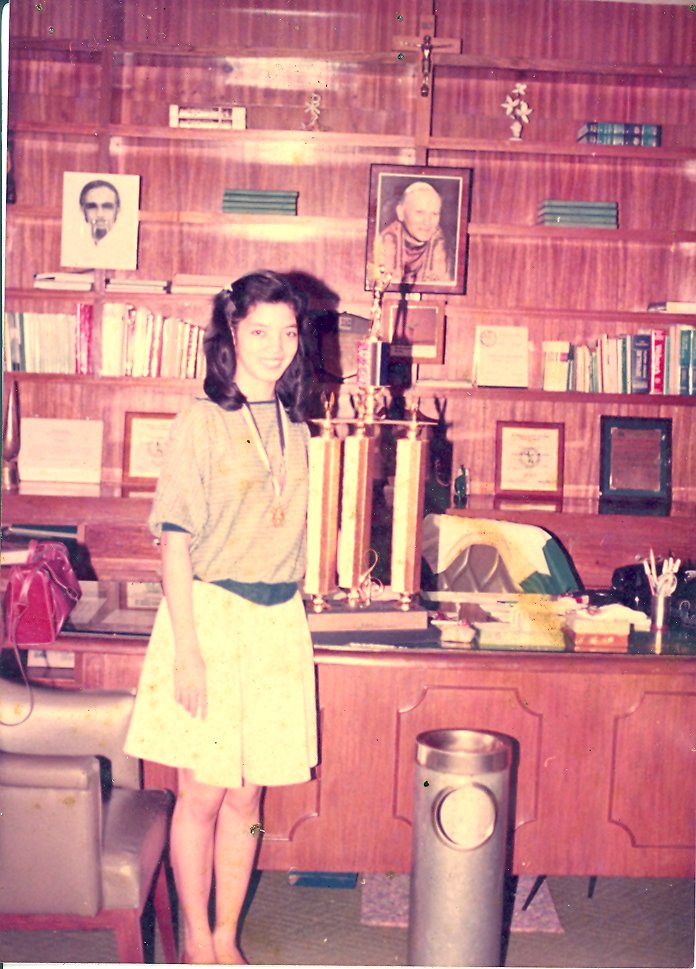
Her most memorable student milestone came in 1981, when she represented Region 7 in a national oratorical contest in Manila. Against the country’s best young speakers, Carol emerged as Grand National Champion, a triumph that foreshadowed her future in media and public speaking.

Carol credits much of her foundation in communication and the arts to Dr. Milagros Castillo Espina, then Dean of USJ-R’s College of Arts and Sciences. Affectionately called Madame Mila, Dr. Espina recognized Carol’s potential early on, mentored her with patience and vision, and helped shape the communicator she would become.

Carol graduated summa cum laude with a degree in BS Commerce, major in Accounting, from the University of San Jose–Recoletos, where she was both an academic and Aboitiz scholar.

Later in life, her love for learning led her to pursue Biblical Studies at the International Bible Institute of London, which she completed in 2014.


TV, Media, and Hosting Journey

Carol’s name became a household fixture in Cebu media, but her career began almost by accident.

While still in college, she was invited as a guest on the local TV show Sali Kami to promote the “Close-Up Campus Coed” interschool contest. Her articulate charm and screen presence caught the producers’ attention, and before long, she was offered her own hosting role in Premyo Jamboree—at just 17 years old.

She credits Larry Abelgas, producer of Sali Kami, for discovering her and opening the door to television. With his mentorship, her career quickly flourished.

Soon after, she returned to Sali Kami as host, and by 1989—after the restoration of democracy—she joined ABS-CBN Cebu as co-host of Campus Beat under Dante Luzon. This became her gateway to a decade of hosting some of the region’s most popular shows, including Star Treat, Star Showcase, Sabado Na Gyud, Ngiga Gud, and the beloved morning show Maayong Buntag Sugbo.

She also co-hosted the weekly talk show Carol n’ Cosme, which later evolved into Home Buddies, Alas Diyes Na, and Chikahay Ta!

At the peak of her TV career, Carol appeared in an episode of Maala-ala Mo Kaya and took on a memorable villainess role in the teleserye Kapalaran. With her warmth, wit, and grace, she became one of Cebu’s most trusted faces and voices for over two decades.


Beyond TV: Corporate, PR, Academia, and Consultancy

Parallel to her television career, Carol built an equally successful path in the corporate and academic worlds.

She served as a professor in Speech and Public Speaking at USJ-R, mentoring a new generation of communicators. Professionally, she wore many hats—Account Executive at SunStar Daily for seven years, Branch Manager at Urban Bank for two, and later became the first Public Relations Manager of Shangri-La’s Mactan Island Resort.

Her years with Shangri-La were especially historic. She managed PR during the resort’s pre-opening in 1993 and the 1994 Miss Universe pageant, when the candidates visited the resort for their fun shoot.

She later served as PR Consultant for White Gold Club, and in 1998, took a leap into public service by running for Cebu City Councilor.

In the 2000s, Carol transitioned fully into corporate leadership—first as Communications VisMin Head at eTelecare, then as Assistant Vice President for Branding and Corporate Communications at the Aboitiz Group, a role that held special meaning as she had once been an Aboitiz scholar herself.

In 2013, she joined the Ramon Aboitiz Foundation, Inc. (RAFI) as Vice President for Reputation Management, where she served until her early retirement in 2019. She later founded her own events, training, and consultancy firm—Carol Ballesteros, etc.


Making a Difference: Community and Faith

At her core, Carol has always been drawn to service.

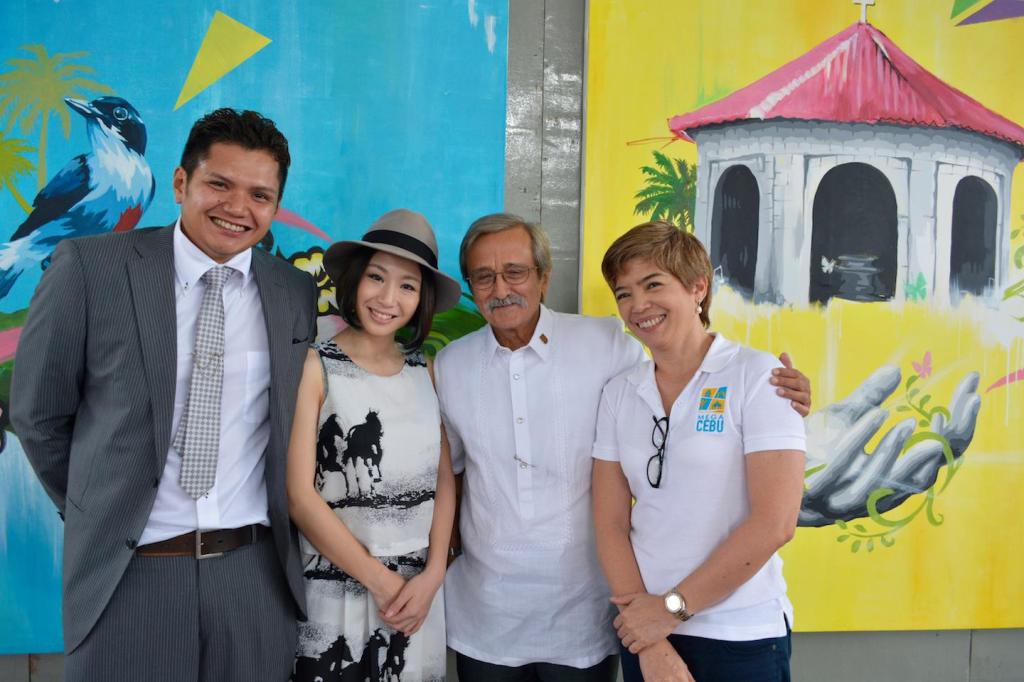
At RAFI, she led communications and stakeholder engagement for the Mega Cebu Program, a visionary initiative that brought together government, business, and civil society toward a “wholesome, advanced, vibrant, equitable, and sustainable Cebu.”

Her passion for faith-based work also runs deep. In 2009, she joined Ladies of the Fellowship–Philippines, a Christian women’s organization that shares the gospel in workplaces through evangelistic dinner events. These gatherings featured inspiring testimonies from personalities such as Enchang Kaimo, Miriam Quiambao, Kuh Ledesma, and Tirso Cruz III.


A Journey Beyond COVID

In 2022, Carol moved to the United States to join her husband, Joshua Veloso Pilapil, a retired Licensed Marriage and Family Therapist. Both already retired, they embraced a new mission: founding The Human Project Foundation, a non-profit dedicated to nurturing resilience and wholeness in future generations by balancing intellect (IQ) with emotional intelligence (EQ).

Their flagship program, Project 12, introduces a groundbreaking education framework that integrates EQ development into the K–12 curriculum as a core subject. Officially launched in 2024–2025, Project 12 now partners with 58 pilot schools, including all 43 public schools in Dumanjug, Cebu—impacting more than 36,000 students and training over 1,600 teachers.

Through The Human Project Foundation, Carol continues her lifelong calling: empowering others, nurturing empathy, and building a society where people feel heard, understood, and valued.


A Reflection on Her Journey

Looking back, Carol sees a common thread running through the many seasons of her life—as a student leader, television host, corporate executive, and now co-founder of The Human Project Foundation.

Each stage—whether marked by triumph or trial—was an opportunity to learn, grow, and serve. She believes that victories and setbacks are not opposites but partners that shape one’s character. The wins gave her confidence; the challenges gave her depth, empathy, and resilience.

For Carol, true success is no longer measured by recognition or titles, but by the lives she uplifts and the hope she helps ignite.

Today, together with her husband Joshua, she is devoted to raising a generation that is not only intelligent but also emotionally strong, compassionate, and grounded in values.

Her story reminds us that when faith, resilience, and purpose come together, life becomes a powerful platform for inspiring and serving others.

12 Years After the Bohol Earthquake: Comparing Two Great Quakes of the Visayas

2013 Bohol Quake

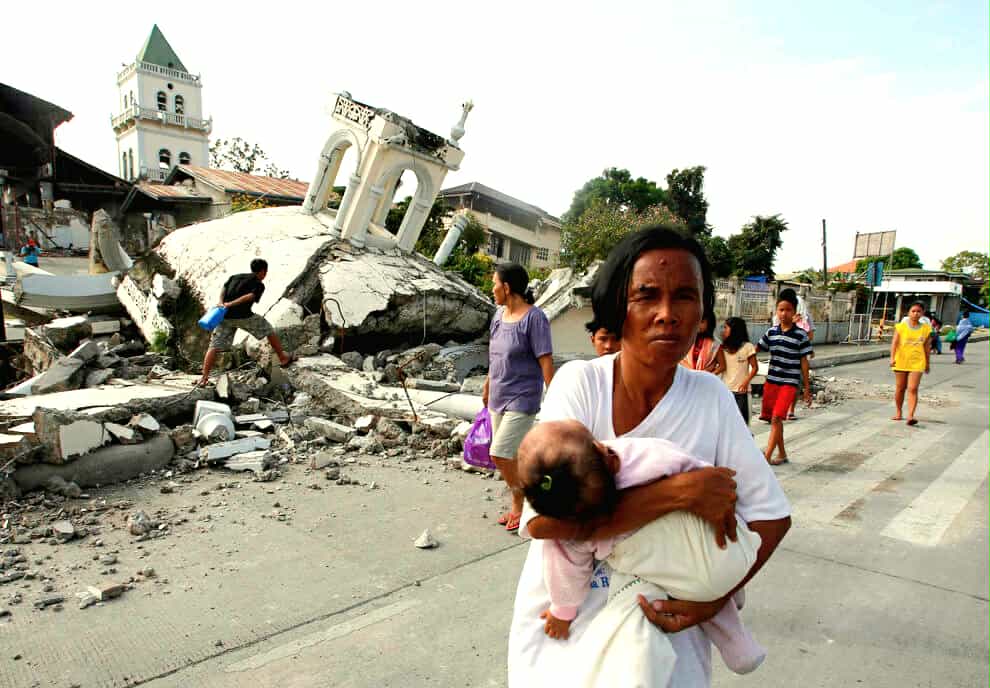
It has been twelve years since the violent 7.2-magnitude earthquake struck Bohol on October 15, 2013, one of the most devastating disasters to hit Central Visayas in modern times.

The quake left more than 200 people dead, injured hundreds, and damaged over 70,000 homes. Historic churches, bridges, and roads collapsed. The impact extended beyond Bohol, Cebu also suffered casualties and heavy structural damage, proving that the tremor’s reach went far beyond one island.

Now 12 years after, another major earthquake shook the region, this time a magnitude 6.9 quake centered in Bogo, northern Cebu. Though slightly weaker, it caused significant destruction in Bogo, San Remigio, Medellin, and nearby towns, where over 70 lives were lost and thousands of homes were damaged. Yet unlike the Bohol tragedy, the casualties were mostly confined to a handful of northern Cebu towns, not across multiple provinces.

Interestingly, the Bogo quake revealed a surprising geological feature , an alarming number of sinkholes, especially in San Remigio where more than a hundred were discovered. In contrast, the Bohol earthquake was more known for the dramatic rise of the North Bohol Fault or “Great Wall of Bohol”, rather than sinkholes. This shows that while both disasters shared the same regional fault system, their surface effects were remarkably different.

The Bohol earthquake remains the more powerful and widespread of the two, claiming more lives, damaging heritage churches, and leaving a deep scar across Central Visayas. The Bogo quake, on the other hand, stands out for its localized devastation and unusual geological aftermath. Both serve as painful reminders that the Visayas lies along an active fault zone, and that preparedness remains the best defense against the earth’s next violent awakening.