𝗔 𝗖𝗘𝗕𝗨𝗔𝗡𝗢 𝗗𝗥𝗘𝗔𝗠 𝗚𝗢𝗜𝗡𝗚 𝗚𝗟𝗢𝗕𝗔𝗟, 𝗧𝗛𝗘 𝗕𝗢’𝗦 𝗖𝗢𝗙𝗙𝗘𝗘 𝗦𝗧𝗢𝗥𝗬

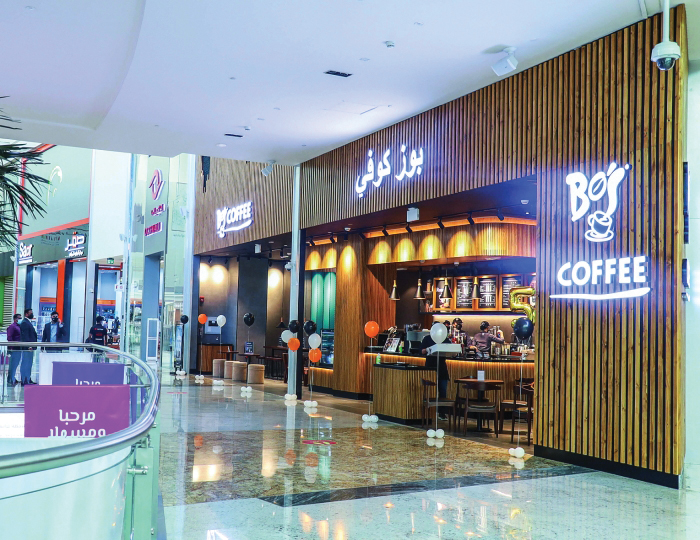
A Bo’s Coffee branch in Abu Dhabi

When Steve Benitez opened the first branch of Bo’s Coffee in Ayala Center Cebu in 1996, few could have imagined that this humble kiosk would evolve into a global Filipino brand. Born in a time when international coffee chains were starting to dominate the Philippine market, Bo’s Coffee stood out by being proudly local, and more importantly, proudly Cebuano.

Planting the First Seed

Steve Benitez was just a young entrepreneur with a law degree and a big dream. Instead of pursuing a legal career, he followed a different aroma — the rich scent of freshly brewed coffee. That dream began with a simple desire: to serve coffee made with homegrown beans from the highlands of the Philippines and create a space that celebrated Filipino warmth and hospitality.

The early days were tough. People didn’t immediately flock to a “local” coffee shop. In fact, Benitez had to do the barista work himself, sometimes even giving away free coffee just to introduce the brand. But he stayed firm, fueled by passion, belief in Filipino products, and his Cebuano grit.

Rooted in Filipino Identity

Unlike global coffee chains that showcase foreign flavors and imported beans, Bo’s Coffee built its brand on a different principle: supporting Filipino farmers and communities.

The beans come from the mountain provinces of Sagada, Benguet, Mt. Kitanglad, Mt. Apo, and Mt. Matutum. Each cup served in Bo’s is a tribute to the Philippines’ rich coffee-growing heritage. This commitment to local sourcing didn’t just ensure fresh quality — it also empowered farming communities across the country, making Bo’s not just a business but a movement.

Moreover, Bo’s Coffee made a conscious decision to highlight Filipino culture in every detail — from the interiors of their stores that feature local art and furniture to their partnerships with local social enterprises. It’s a coffee experience infused with bayanihan and malasakit.

The Cebuano Spirit of Resilience and Innovation

The growth of Bo’s Coffee can also be seen as a mirror of Cebu’s own rise — from a regional hub to a global player. Just as Cebu established itself as a center for trade, tourism, and culture, Bo’s grew from one shop to over 100 branches nationwide, then began opening doors abroad.

In 2018, Bo’s Coffee opened its first international branch in Doha, Qatar, followed by expansion plans in the UAE and other key cities in the Middle East. This was not just a business move; it was a tribute to the millions of OFWs and Filipinos overseas who longed for a taste of home.

Steve Benitez called this move a way to “bring the Filipino coffee experience to the world.” And just like that, a Cebuano-born coffee brand became a symbol of national pride, carried abroad by the winds of nostalgia and ambition.

More Than Coffee: A Platform for Empowerment

One of the lesser-known yet deeply inspiring aspects of Bo’s Coffee is its support for social entrepreneurs. The company collaborates with local enterprises like Anthill Fabric Gallery (for uniforms and furnishings), Bayani Brew (for bottled tea), and Hope in a Bottle (for purified water) — creating a value chain that uplifts small businesses and promotes sustainable livelihoods.

This ecosystem approach — where success is shared, not hoarded — reflects the Filipino value of community, deeply rooted in Cebuano heritage.

Legacy Brewing

Today, Bo’s Coffee continues to expand while keeping its values intact. It has become more than just a coffee shop; it’s a homegrown legacy, a Cebuano-born brand that chose to grow slow, grow proud, and grow local — before going global.

As the aroma of Filipino coffee begins to waft across the world, Bo’s stands as a reminder that sometimes, the best brands don’t come from Silicon Valley or European capitals. Sometimes, they begin right in the heart of Cebu — with a bold vision, a warm heart, and a very good cup of coffee.

Bo’s Coffee has more than 120 branches already including 9 outlets in Qatar and 2 in Dubai. Canada and the USA ate next in their expansion

From Fuel to Future: The Rise of Eugene Erik Lim and His Cebu Empire

At the heart of Cebu’s ongoing transformation stands a man who is not only expanding horizons but also redefining what it means to be a modern Cebuano industrialist, Eugene Erik C. Lim, Chairman, President, and CEO of Topline Business Development Corporation.

Born into the third generation of a respected entrepreneurial family in Cebu, Eugene inherited more than just a name, he inherited a legacy. But instead of merely maintaining the family business, he envisioned something far bigger: an interconnected business ecosystem powered by fuel, ports, real estate, and retail, strategically designed to meet the demands of a rapidly modernizing region.

Fueling Ambition: The Topline Expansion

When Lim took over Topline in the early 2010s, it was primarily a fuel trading firm. Under his leadership, it grew into a vertically integrated energy company with its own fuel depots, a growing fleet of tankers, mobile refueling services, and more than 50 retail stations under the Light Fuels brand.

In mid-2025, Topline made a bold and strategic acquisition: a key Phoenix Petroleum station in Cebu, further expanding Light Fuels’ reach and fueling its regional dominance. This deal is part of an aggressive expansion program aimed at increasing the company’s market share in Central Visayas and beyond.

Topline’s revenue surged from ₱2.1 billion in 2022 to ₱2.8 billion in 2023, and in April 2025, it marked a historic milestone: a successful initial public offering (IPO) on the Philippine Stock Exchange. This move not only signaled Topline’s maturity as a business—it placed Eugene Erik Lim squarely among the country’s most dynamic CEOs.

From Ports to Progress: Pier 88

But Lim’s vision extended far beyond fuel. One of his most innovative achievements is Pier 88, a “smart port” in Liloan, Northern Cebu. Opened in partnership with the local government and other private investors, Pier 88 is a gateway to Cebu from Camotes, Leyte, and Ormoc—offering ferry services, commercial docking, and logistics solutions in a clean, modernized setting.

The port is more than just a transit hub, it’s part of a larger ecosystem.

And just a few minutes away, rising along the coastline, is its complementary project: Bay Mall.

Bay Mall: Commerce Meets Community

In June 2025, through its real estate arm Vikingland Corp., the Topline Group inaugurated Bay Mall—a three-level commercial complex set to become the new lifestyle destination in Northern Cebu. Developed under a public-private partnership with the Liloan LGU, the mall offers:

A Robinsons Supermarket anchor tenant

Food courts, fashion, wellness, and financial service shops

A 1,000-seat BPO facility on the third floor

Free shuttle access from Pier 88, creating a seamless experience for travelers and local shoppers alike

Bay Mall isn’t just a commercial venture. it is a symbol of integrated urban development, providing jobs, creating foot traffic, and drawing investment to an area that used to be considered a sleepy town.

Franchising, Tech, and Green Energy

Lim is also expanding in other strategic directions:

Light Fuels Express, a micro-gas station model designed for motorcycle users and inner-city streets, is now being franchised—empowering small investors.

His investments in fuel tech and logistics startups indicate a push toward digital modernization.

And by 2026, Topline is planning to pilot solar-powered stations and expand its biodiesel blending capabilities, signaling a transition toward green energy. –

Philosophy and Legacy

Those who work closely with Eugene Erik Lim describe him as pragmatic, data-driven, and quietly visionary. He avoids the limelight, preferring spreadsheets and long-term strategies to grand speeches and press tours. But his actions speak volumes.

“Cebu has always punched above its weight,” he once said. “We don’t need to be Manila to think big.”

With Pier 88 and Bay Mall anchoring Northern Cebu, and Topline emerging as a national energy player, Lim’s business blueprint is becoming a model of regional development: grounded in local partnerships, yet ambitious enough to compete on a national—and soon, perhaps international—scale.

From Cebu, to the Nation, to the Future

Eugene Erik Lim isn’t just building businesses. He’s building infrastructure, ecosystems, and most importantly—momentum. With fuel, ports, malls, and mobility all under his belt, he may be quietly scripting the next chapter in Cebu’s rise as the most dynamic economic hub outside of Metro Manila. And at the center of it all is a leader who believes that smart growth is rooted in integration, innovation, and homegrown vision.