Tabuelan, The Youngest Town in Cebu

On the rugged northwestern coast of Cebu lies the town of Tabuelan, tucked between the municipalities of Tuburan and San Remigio. Cebuanos love it for its beaches, from Durhan to Maravilla , and its scenic rivers. While many are familiar with its natural beauty, only a few know its history.

Tabuelan holds the distinction of being the youngest municipality in Cebu. In fact, it is the only one created after the second world war. Young heart with an old soul.

Created by Executive Order No. 621 issued by President Elpidio Quirino on October 23, 1953, Tabuelan was born out of the desire for better governance and closer services for the people living in the far barangays of Tuburan. With a sense of purpose and hope, 12 barangays were carved out of Tuburan to form what would become Tabuelan.

The Town That Found Its Voice

In its early years, Tabuelan was what many would call a frontier town , distant, rural, and largely unknown. Life was simple and self-sufficient. Residents relied on farming, fishing, and raising livestock to make ends meet. Roads were rough, public services were limited, and opportunities were scarce. But what the town lacked in infrastructure, it made up for in resilience.

Local leaders, teachers, and farmers became the quiet builders of a new identity. Schools were established. A municipal hall rose on the hill. Community life began to take shape, with town fiestas and civic events giving people a sense of pride and belonging.
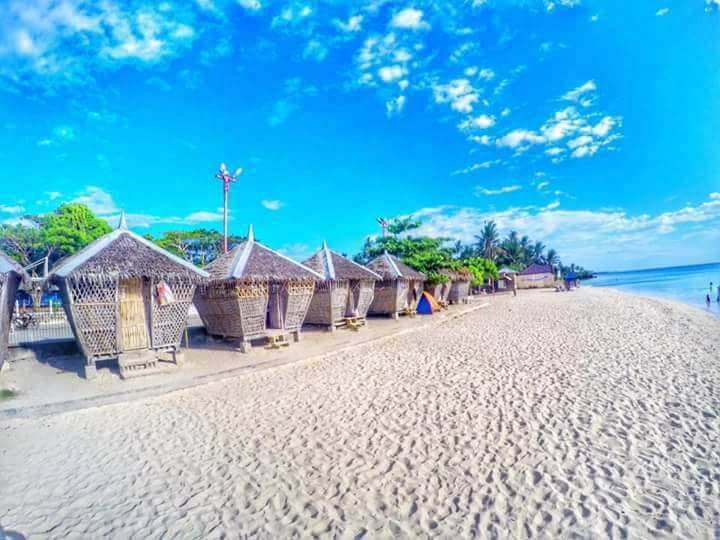
Maravilla Beach

A Scenic Gem Waiting to Be Discovered

Today, Tabuelan is a vibrant town but remains a largely agricultural town, one look at its landscape reveals a place of untapped beauty. Rolling hills stretch toward the sea, and in places like Maravilla Beach, powdery white sand and crystal-clear waters surprise first time visitors. For years, only a few locals and backpackers knew of this hidden paradise — but in recent years, word has begun to spread.

Tabuelan Astrodome

With improved road access and a growing interest in countryside tourism, Tabuelan is now positioning itself as a peaceful beach destination for those looking to escape the busier shores of Cebu.

A Vital Link to Negros and Iloilo

The port facility of Tabuelan is one of the busiest in the province because of its strategic location serving roll-on, roll-off (ro-ro) services for the movement of cargos between the neigboring Visayan islands of Panay and Negros.
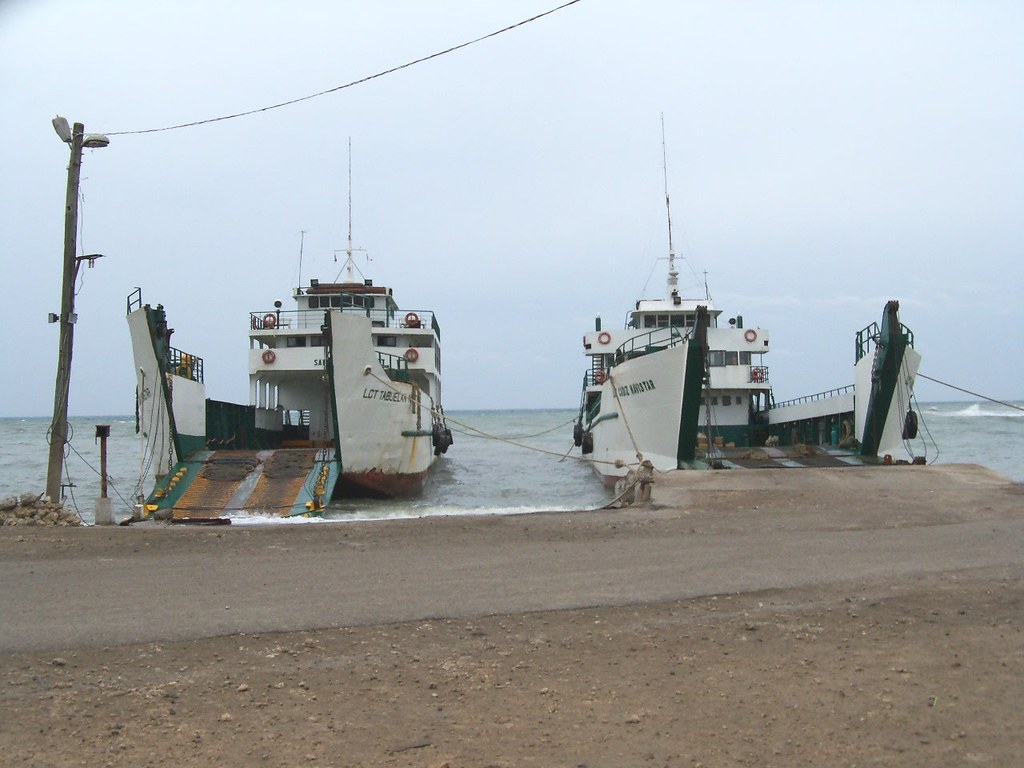
Tabuelan Port

From the bosom of Tuburan, Tabuelan was born, and today, it has fully grown into a promising locality with immense potentials. It is home and source of pride for its constituents, yet within it, still dwells the soul and memories of Tuburan, its mother town in the not so distant past.
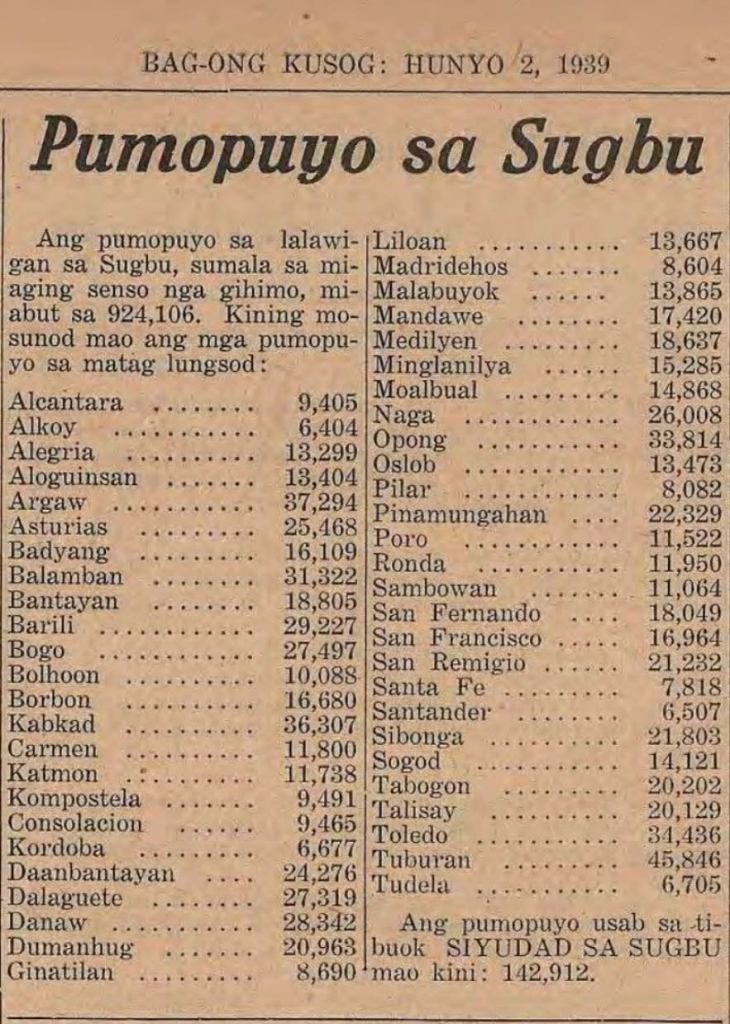
CEBU POPULATION IN 1939

The most recent census has just been released, revealing the official population count of each barangay across every town and city in Cebu. While Metro Cebu continues to bustle with urban expansion, traffic, and soaring high-rises, the latest numbers tell a story beyond the skyline.

Despite the province’s steady march toward modernization, Cebu remains home to several municipalities that seem untouched by time. These small, charming pueblos, hidden between mountain ranges or nestled along sleepy coastlines, carry with them a rustic spirit that resists the chaos of urban growth. Here, centuries have passed, yet the population has barely moved.

Now let us look back to a census conducted in Cebu in 1939. The entire province had a population of less than a million. Cebu was already a vital port and cultural hub, but it was still a far cry from the urban giant it is today.

At the time, Cebu City—then the only chartered city in the province—had a population of just 142,912.

But what may truly surprise you is the list of the most populous towns in Cebu back in 1939. Some of today’s lesser-known municipalities were once bustling centers of activity. Others that now enjoy rapid growth and cityhood status were, back then, quiet agricultural settlements.

   MOST POPULATED TOWNS IN CEBU ( 1932 CENSUS)

Tuburan –                       45,845

Argao –                           37,294

Carcar –                          36,307

Toledo –                          34,436

Opon (now Lapu-Lapu City) – 33,814

Balamban –                     31,322

These figures reveal an older Cebu where economic activity revolved around agriculture, fishing, and local trade, long before the rise of BPO hubs, airports, malls, and industrial estates.

Some of these towns, like Carcar and Danao, have retained their prominence, growing into cities in their own right. Others, such as Argao and Tuburan, while still thriving, have since been outpaced by the explosive growth of Metro Cebu and the Mactan corridor.

📊 CEBU BY THE NUMBERS: A Glimpse into the 2024 Census Results

Philippines: 112,729,484

Whole Cebu 5,228,149 Province + HUC’s

Metro Cebu     : 3,207,266

🏙️ The Nine Cities of Cebu

RankCityPopulation
1Cebu City965,332
2Lapu-Lapu City497,813
3Mandaue City364,482
4Talisay City263,832
5Toledo City206,692
6Danao City161,317
7Carcar City140,308
8Naga City138,727
9Bogo City90,187

Most populated Barangays in Metro Cebu   :

GuadalupeCebu City70076
BasakLapuLapu City68667
MactanLapulapu City48100
TisaCebu City46812
LahugCebu City46002
Basak San NicolasCebu City37118
YatiLiloan37082
LabangonCebu City36373
InayawanCebu City34259
Gun-obLapulapu City33539

Largest and smallest Barangay in Cebu

Smallest Kaorasan, Tuburan 64
Largest DAS, Toledo City17933

The Largest and Smallest towns in another article.

Here. https://infocebu.com/2025/07/20/%f0%9f%93%8a-cebus-top-10-largest-and-smallest-towns-2024-census-update/

📊 Cebu’s Top 10 Largest and Smallest Towns (2024 Census Update)


Cebu Province continues to show dynamic population growth, with several municipalities expanding rapidly while others remain small, peaceful communities.

Based on the 2024 census , here are the 10 largest and 10 smallest towns (municipalities only)


Top 10 Most Populous Municipalities in Cebu (2024)

RankMunicipalityPopulation
1Liloan158,387
2Minglanilla155,934
3Consolacion153,931
4Balamban98,170
5Daanbantayan95,080
6Bantayan87,394
7Barili82,427
8Argao78,111
9Pinamungajan76,586
10San Fernando76,110

🔎 Observation: The northern growth corridor (Liloan, Consolacion) and southern fringe (Minglanilla, San Fernando) are driving Metro Cebu’s urban expansion. These municipalities are already more populous than many cities in other provinces.


Top 10 Least Populous Municipalities in Cebu (2024)

Peaceful, laid-back, and often scenic — these towns are small in numbers but big in charm.

RankMunicipalityPopulation
1Tudela11,638
2Pilar12,454
3Boljoon17,153
4Ginatilan17,184
5Alcantara17,490
6Santander18,669
7Alcoy19,207
8Malabuyoc20,378
9Samboan20,736
10Ronda21,179

🔎 Observation: Many of these towns are found in southern Cebu and the Camotes Islands, where growth is slower but quality of life is prized.

🗨️ What’s your hometown?

Is it growing fast or proudly small?
Let us know in the comments! 👇

#InfoCebu #CebuFacts #Census2025 #CityhoodWatch #SugboUpdates #PopulationTrends

📍Seven Cebu Towns Now Qualified for Cityhood Under RA 11683

Cebu Province continues to assert its status as an economic powerhouse, with six municipalities now meeting the qualifications for cityhood under Republic Act No. 11683, the amended Local Government Code of 1991.

RA 11683 simplifies the conversion of municipalities into component cities by removing the population requirement for LGUs that meet both income and land area thresholds. Specifically, a municipality may qualify if it has:

✔ An average annual income of ₱100 million, based on 2020 constant prices, as certified by the Department of Finance
✔ And either a contiguous territory of at least 100 sq. km or a population of at least 150,000.

This change has made way for more towns—especially rural and tourism-based municipalities like Moalboal and Oslob—to become cityhood contenders, even with smaller populations.

🏙️ Three Towns Have Already Filed Cityhood Bills

Three have filed official cityhood bills under the 19th Congress:

  • Liloan – House Bill No. 5031, filed by Rep. Duke Frasco
  • Consolacion – House Bill No. 1324, filed by Reps. Daphne and Sonny Lagon
  • Balamban – House Bill No. 1018, filed by Rep. PJ Garcia, with full qualifications and an active campaign for conversion

These LGUs have demonstrated economic resilience, growing urban centers, and strong administrative capacity—factors that have fueled their drive to become full-fledged cities.

🆕 Four More Towns Qualify

Recently, Balamban, Oslob, Argao and Moalboal crossed the qualifying thresholds in income or land area, joining Liloan, Minglanilla, and Consolacion. Their inclusion showcases how strategic tourism, investment, and infrastructure have transformed these towns into viable urban centers.

⚠️ Roadblocks to Cityhood

Despite meeting all legal requirements, the journey to cityhood is not always smooth. One of the major hurdles comes from the League of Cities of the Philippines (LCP), which often opposes new city conversions due to the impact on the National Tax Allotment (NTA)—the newer term for the Internal Revenue Allotment (IRA).

With more cities dividing the same national tax pool, existing cities worry about decreased funding, which could affect their own development priorities. This has resulted in slower approvals and tighter scrutiny for cityhood bills in recent years.

in the last three years, only two new cities were created, Carmona, Cavite ans Baliwag, Bulacan.

Still, local leaders remain hopeful. In Cebu, cityhood is seen not just as a status upgrade, but as a path to better services, infrastructure, and local autonomy.

📈 A Sign of Cebu’s Expanding Growth

The rise of these seven cityhood-ready municipalities is a clear reflection of Cebu’s decentralizing economic development. As Metro Cebu continues to expand, more towns across the province are growing into independent hubs—bringing services, business opportunities, and development closer to communities.

As of today, the seven Cebu municipalities qualified for cityhood are:

Liloan
Minglanilla
Consolacion
Balamban
Oslob

Argao
Moalboal

Other municipalities now being closely monitored for potential qualification include Compostela, San Fernando, Daanbantayan, Cordova and other fast growing LGUs in both the north and south.

Today, all cities in Cebu are within the Metro Cebu agglomeration except for Bogo City and Toledo City, but the latter is also adjacent to Cebu City so only Bogo City can be truly considered as separate growth corridor for now, but soon, Oslob, Argao and Moalboal will likewise drive progress in Southern Cebu.


📰 InfoCebu will continue to follow these developments as part of our ongoing commitment to reporting on Cebu’s growth and governance.

#CebuCityhood #CebuRising #InfoCebu #RA11683 #CityhoodWatch #CebuDevelopment