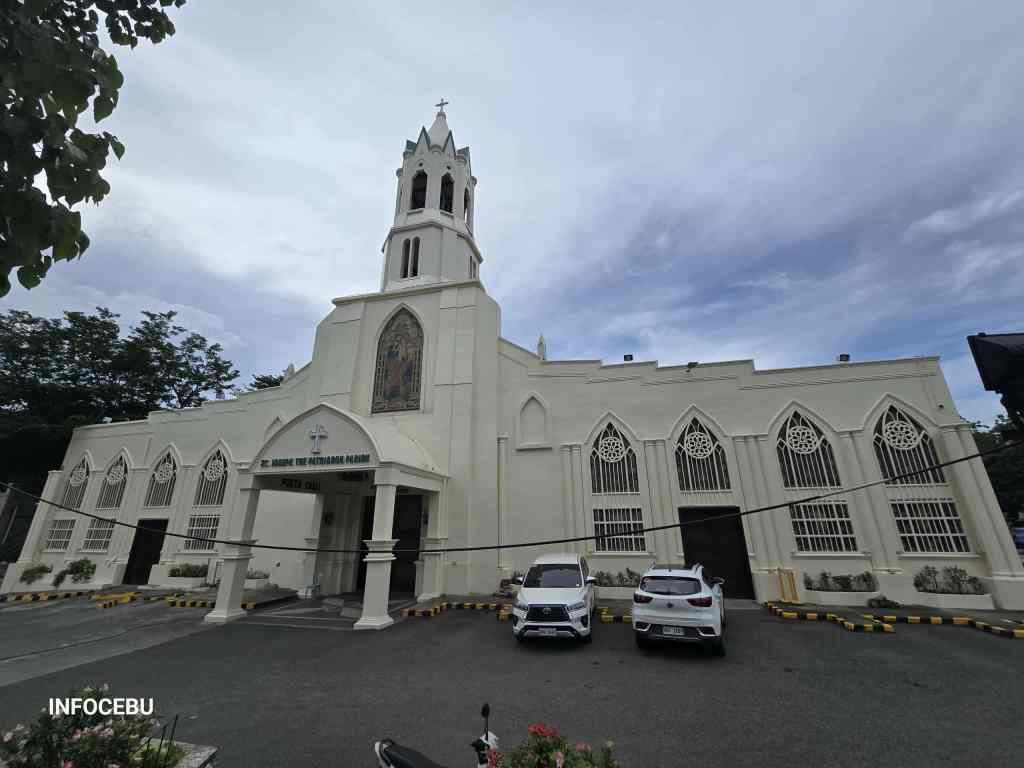
Synergy in Action: United for Cebu’s Historic Heart

When the government, the private sector, and the Church move in the same direction, transformation becomes possible, not just in infrastructure, but in the soul of a city.

This was the essence of the statement shared by Joe Soberano, President and CEO of Cebu Landmasters Incorporated, during the opening of Patria de Cebu. His message was more than ceremonial; it was a clear commitment to the Cebu City Government and to the people of Cebu. that progress can be meaningful when it is anchored in cooperation and respect for heritage.

Present at the event was Cebu City Mayor Nestor Archival , alongside the Roman Catholic Church, represented by Archbishop Emeritus Jose Palma. Their presence symbolized a rare but powerful convergence of leadership: public service, private enterprise, and faith working together toward a shared vision.

The initial focus of this collaboration is the beautification and revitalization of Cebu City’s downtown, beginning with the historic surroundings of the Cebu Metropolitan Cathedral, a site that has stood witness to centuries of Cebuano faith, culture, and history.

Rather than development that erases the past, this initiative seeks to enhance what already exists, giving dignity to heritage spaces while making them more accessible, livable, and vibrant for today’s generation.

Cebu City is not just an urban center; it is the cradle of Christianity in the Philippines, the heart of early trade, and a living museum of colonial and pre-colonial history. Any effort to uplift the city must therefore balance modernization with preservation.

This tri-sector partnership recognizes that truth: progress does not mean forgetting where we came from, it means building forward with memory and meaning. When coordination and collaboration truly happen, the benefits ripple outward.

Heritage is protected, public spaces are improved, local communities gain renewed pride, and the city strengthens its identity—not only as a hub of commerce, but as a place where history, faith, and development coexist. In this shared effort, Cebu City is reminded of a powerful lesson: the most enduring developments are those built not by one sector alone, but by a united community, honoring its past while shaping its future.

Patria de Cebu is a living symbol of what collaboration can achieve. Redeveloped through a joint effort of the Roman Catholic Church and Cebu Landmasters Incorporated, it transforms a historic space into a place where the past and present meet.

Now open with a supermarket and a growing mix of food outlets, Patria de Cebu is once again bringing life back to downtown. Soon, it will also welcome the Mercure Hotel by Accor, the first international hotel brand in downtown Cebu City, a powerful sign that faith, heritage, and progress can move forward together, restoring pride in the heart of the city.

Why is Cebu the Lechon Capital of the Philippines?

Cebu became the Lechon Capital of the Philippines not by marketing or modern hype, but through a culinary tradition rooted in pre-colonial Visayan culture, refined over centuries, and documented as early as the late 16th and 17th centuries by Spanish chroniclers and missionaries.

Long before Spanish colonization, Cebuanos were already roasting meat over open fire as part of ritual and communal life. This is not speculation; it is supported by early Spanish vocabularios compiled specifically to understand—not alter—local customs.

In the Vocabulario de la lengua bisaya (1617–1619) by Fr. Mateo Sánchez, Cebuano terms such as inasal and sinugba were already clearly defined. The existence of multiple, precise words for fire-roasting strongly suggests that these practices were well established and culturally embedded, not newly introduced by Europeans.

Later editions of the Diccionario Bisaya-Español by Encarnación further reinforce this point. They describe different methods of roasting meat, including the turning of large cuts over fire, an indication that Visayans were already familiar with cooking whole animals or substantial portions, a technique central to what would later be known as lechon.

This linguistic evidence is confirmed by eyewitness accounts. In Relación de las Islas Filipinas (1582), Miguel de Loarca described Visayan feasts where pigs were slaughtered and roasted for weddings, alliances, and major communal celebrations. He emphasized that pigs were not everyday food but prestige animals, reserved for moments of social importance. This establishes pig roasting as ceremonial and symbolic, not merely culinary.

The most detailed account comes from Fr. Francisco Ignacio Alcina, SJ, whose Historia de las Islas e Indios de Bisayas (1668) remains the most comprehensive ethnographic record of the Visayas. Alcina meticulously documented cooking methods involving open-fire roasting of pigs for fiestas, rituals, and peace pacts. He explicitly noted the social prestige attached to hosting such feasts and made clear that these practices were pre-Hispanic in origin, later continuing under Spanish influence rather than being replaced by it.

Although lechon is a spanish word which means suckling pig, early Cebuanos have a word for it, Inasal. To this day, Lechon is also called baboy inasal.

What makes Cebu distinct is how these early traditions were perfected and preserved. Cebu lechon developed its signature identity through:

  • Native or leaner pigs, ideal for crisp skin
  • Aromatic stuffing of tanglad, garlic, onions, pepper, and spring onions
  • No internal sauces, the flavor comes entirely from herbs and technique
  • Slow, even rotation over charcoal for hours

This mastery of technique was passed down through generations of lechoneros, especially in places like Talisay City, Carcar City and Liloan now widely recognized as the lechon bailiwicks within Cebu itself.

Lechon in Cebu also remained culturally central, not seasonal. It became a fixture in town fiestas, weddings, birthdays, and even modest gatherings—symbolizing hospitality, abundance, and communal pride. Over time, what began as ritual roasting evolved into a refined culinary art without losing its cultural soul.

By the late 20th century, Cebu lechon had gained national prominence, flown regularly to Manila for major events.

International recognition followed, most famously when Anthony Bourdain praised Cebu lechon as one of the best pork dishes in the world, remarkable for being flavorful without sauce.

In essence, Cebu did not invent lechon. What it did was far more significant:
It preserved, refined, documented, and elevated an ancient Visayan tradition into a culinary identity recognized across the Philippines and the world.

Cebu did not claim the title. It earned it—over centuries.

The Unfortunate Fleet of Sulpicio Lines


The Ill-Fated Sulpicio Lines

For decades, Sulpicio Lines was not just a shipping company, it was a lifeline, a bridge, a faithful companion to millions of Filipinos who crossed the seas between Cebu and the rest of the archipelago.

Founded in 1973, and headquartered in the bustling maritime city of Cebu, Sulpicio Lines quickly rose from humble beginnings to become one of the largest and most relied-upon passenger and cargo shipping companies in the Philippines. At its peak, its fleet crisscrossed routes from Cebu to Manila, Davao, Zamboanga, Cagayan de Oro, Iloilo, and beyond.

For countless families, riding a Sulpicio vessel was a chapter in their lives—OFWs coming home, children returning for school vacations, lovers reuniting, entire communities moving across islands. Sulpicio Lines symbolized connection and hope.

But the seas, as always, have a long memory.

A Giant Shadowed by Tragedy

Behind the company’s impressive rise lay a series of tragedies that would forever stain its legacy. Not one, not two, but four of the deadliest maritime disasters in Philippine history bore the name Sulpicio Lines.

1987 – The MV Doña Paz

MV Dona Paz

A festive December night turned into the darkest chapter in Philippine maritime history. The Doña Paz, massively overcrowded, collided with the oil tanker MT Vector. In minutes, fire consumed the sea. Over 4,000 lives were lost—mothers, children, entire families—making it the deadliest peacetime maritime disaster in the world.

The nation mourned.

But for Sulpicio Lines, this was only the beginning of a haunting pattern.

1988 – The MV Doña Marilyn

MV Dona Marilyn

Just a year later, her sister ship was claimed by Typhoon Ruby. Hundreds more never returned home.

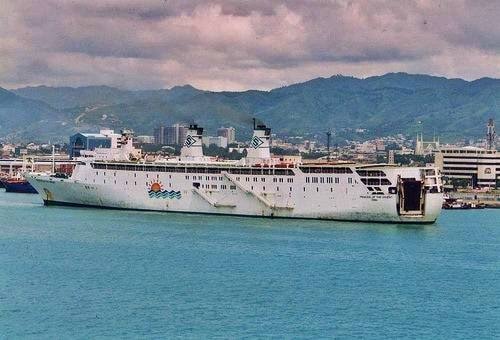
1998 – The Princess of the Orient

MV Princess of the Stars

A powerful storm off Batangas Bay sent the vessel to the depths, taking more than a hundred lives with it.

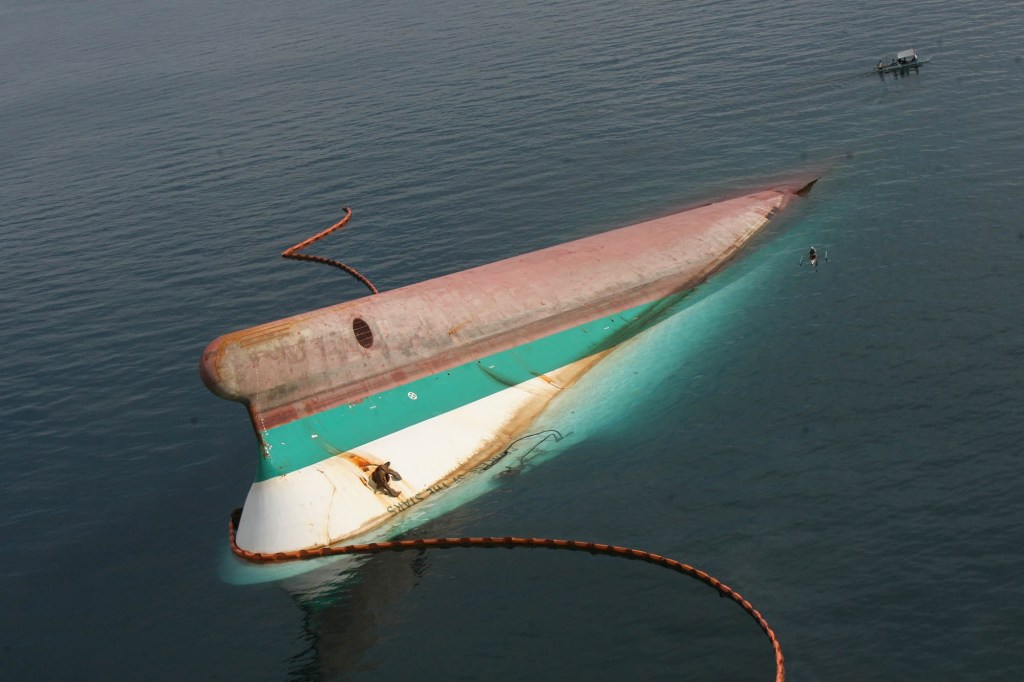
2008 – The Princess of the Stars

MV Princess of the Stars

Caught by Typhoon Frank, the ship capsized near Romblon. More than 800 died. It was a national heartbreak.

Each tragedy carved deeper wounds into the soul of a company once trusted by millions. Each disaster added layers of grief to the Philippine maritime history.

And with every loss, public trust slipped further away.

A Company Forced to Change Course

By the early 2010s, Sulpicio Lines was no longer the giant it once was. Government pressure, lawsuits, investigations, and the weight of its own history pushed the company to retreat from transporting passengers altogether.

It rebranded as Philippine Span Asia Carrier Corporation (PSACC) and shifted exclusively to cargo shipping. But even as it tried to rebuild itself, fate was not done with it.

2013 – Another Tragedy Just Off Cebu

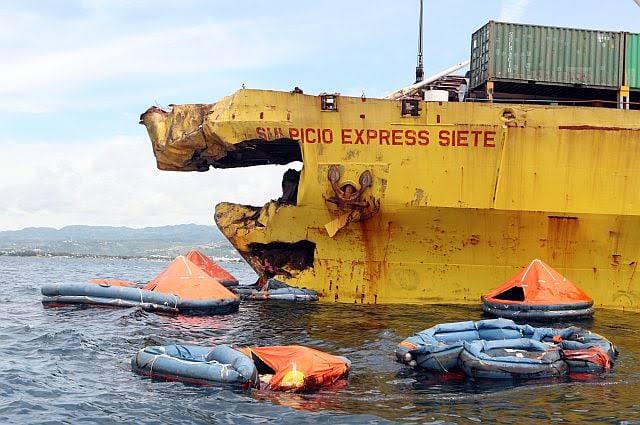
Sulpicio Express Siete

OnAugust 16, 2013, the cargo vessel MV St. Thomas Aquinas a passenger ferry of 2Go Shipping, collided with the cargo ship Sulpicio Express Siete near the Cebu City port. The passenger vessel sank rapidly. More than 100 people died, many of them trapped inside the ship. Oil slicks polluted the waters surrounding Cebu, affecting marine life and the livelihoods of fishermen.

It was a painful reminder: even after leaving the passenger business, the company’s name remained entangled with disaster.

A Legacy of Fortune and Misfortune

Sulpicio Lines was once a symbol of the thriving Cebu maritime industry, a company built with ambition, vision, and the desire to connect an island nation. Its ships carried dreams, reunions, and the everyday stories of Filipinos.

But history remembers it differently.

Not for its scale.

Not for its decades of service.

But for the tragedies, massive, unforgettable, life-altering.

Its story is not just the story of a company. It is the story of a country learning, often painfully, the cost of weak regulations, dangerous seas, and the human tendency to trust that tomorrow’s voyage will always be safe.

The Ill-Fated Sulpicio Lines

A tale of triumph transformed into tragedy. A maritime titan undone not by competition, but by fate, misjudgment, and the unforgiving ocean. A name etched forever in the Filipino consciousness, not as the largest, nor the most successful, but as the most tragic chapter in our maritime history.

THE KINGDOM OF MABOLO: From Ancient Capital to Modern Cebu

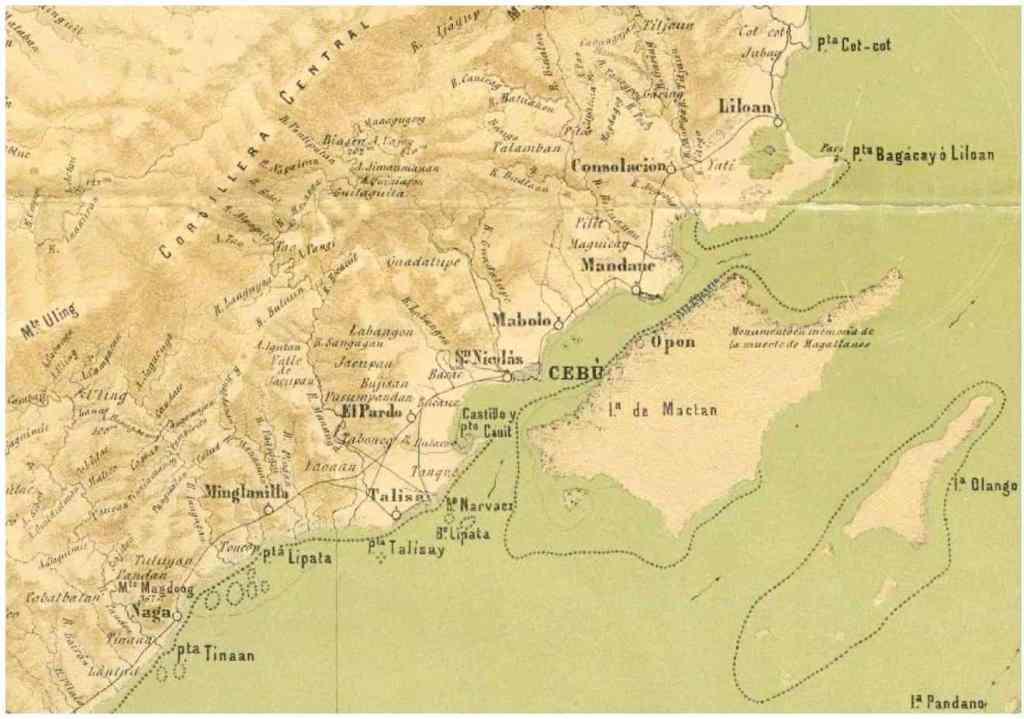
Map of Old Cebu showing Mabolo town

Before there was Cebu City, there was Singhapala, the ancient capital of the Indianized kingdom of Cebu, founded by the legendary Sri Lumay. And right where Barangay Mabolo now stands is believed to be the heart of that ancient realm, the cradle of early Cebuano civilization.

Long before Spanish ships anchored on our shores, the land of Mabolo was already a thriving hub of trade and culture. Here, native leaders ruled, merchants from distant islands exchanged goods, and life was shaped by Indian and Malay influences. This was the Cebu that time almost forgot, the Kingdom of Mabolo, centuries before it became part of a bustling city.

As the Spanish colonial era dawned, Mabolo evolved from a royal capital into a flourishing town of farmers, traders, and the faithful. In 1850, the Mabolo Parish was established, giving the community a spiritual anchor.

The town was named after the mabolo tree, whose fruit, a type of Philippine persimmon known for its soft red velvet skin and fragrant flesh, once grew abundantly across the area.

Mabolo Tree

By the late 1800s, Mabolo stood proudly as an independent municipality, rich in tradition and community spirit. But change arrived with the American period.

Mabolo Church

In 1905, Mabolo’s independence as a town ended when it was incorporated into the growing City of Cebu, along with other nearby municipalities.

The Old bell

What was once the seat of an ancient kingdom became part of a modern metropolis. Yet beneath the concrete and city lights, Mabolo’s roots run deep, whispering the story of Singhapala, of Sri Lumay, and of a humble fruit tree that gave a kingdom its name. 🍈✨

How Android Phones Warned Some Cebuanos Seconds Before the Earthquake

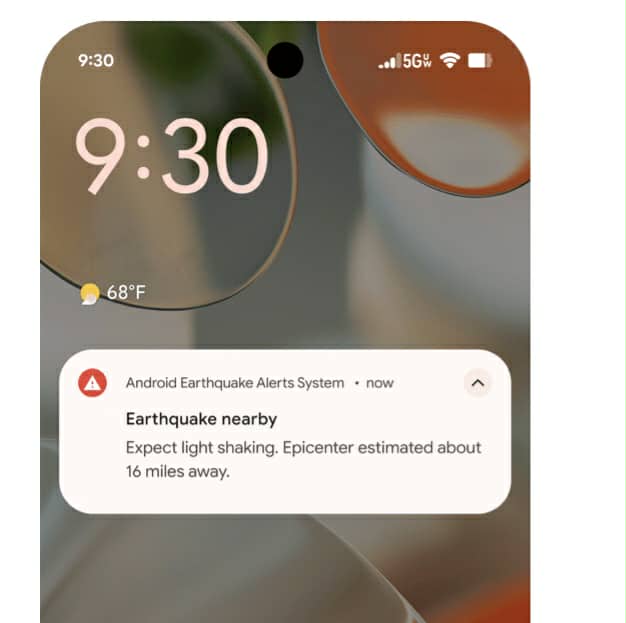
When the magnitude 6.9 earthquake struck Northern Cebu and parts of Leyte last night, many residents were caught off guard. Yet, some Cebuanos report something almost unbelievable: their Android phones buzzed with an alert just seconds before the ground shook. This has left many people asking, is it really possible for a phone to “predict” an earthquake?

Not Prediction, but Early Warning

Scientists emphasize: earthquakes cannot be predicted hours or days in advance. What phones do is different, they provide early warning.

Android smartphones come equipped with motion sensors called accelerometers, the same technology that makes your screen rotate when you tilt your phone. When an earthquake begins, even weak tremors are picked up by thousands of Android phones in the affected region.

These signals are instantly sent to Google’s servers. If enough phones detect shaking, the system confirms an earthquake and sends an alert to nearby Android phones.

Seismic waves travel slower than internet data, the warning can reach people seconds before the strongest shaking arrives.

In last night’s case, those precious seconds gave some residents time to duck under tables, move away from dangerous objects, or brace themselves.

Why Only Android Phones?

Google’s Android Earthquake Alerts System is built into Android devices (as far back as Android 5.0). That means practically any Android phone can serve as both a mini-seismometer and a warning device. iPhones, on the other hand, do not have a similar system.

While iPhone users can still receive alerts if local governments push them through telecom providers or apps, the phone itself does not detect and contribute data to a global early warning network.

Why Every Household Should Have One

Last night’s experience shows just how valuable this technology is. Even a few seconds’ warning can mean the difference between panic and preparedness.

Safety – You can drop, cover, and hold before the shaking intensifies.

Family protection – With one or two Android devices in a household, the chance of getting alerted increases.

Community contribution – Every Android phone in Cebu also helps Google’s network detect quakes faster and more accurately.

A Wake-Up Call

The reports from Cebuanos remind us that technology is now part of disaster preparedness. Earthquakes will always strike without notice , but with Android’s system, we at least get a fighting chance to prepare, even if it’s just a matter of seconds.

For households, the lesson is clear: it’s worth keeping at least one Android phone active and connected. When the ground starts to move, those seconds of warning could save lives.