The First 100 Days of the People’s Governor

CEBU – Governor Pam Baricuatro’s victory was nothing short of phenomenal. While many were initially skeptical about what she could deliver as a newcomer in politics, her first months in office have proven otherwise. Now, as she approaches her first 100 days, it’s worth looking back at the quick gains and accomplishments she has already achieved for the province. This will be a multi-part series, beginning with her initiatives in the field of health.

Governor Pamela Baricuatro has put healthcare at the forefront of her first 100 days in office, combining immediate medical missions with long-term investments to strengthen the provincial health system.

With the support of her daughter, Dr. Nikki Catalan, who serves as a passionate ‘Pro-bono Piso Consultant‘ for provincial health programs, the governor led a series of medical and surgical missions in Camotes Island, Bantayan Island, Bogo City and Carcar City .
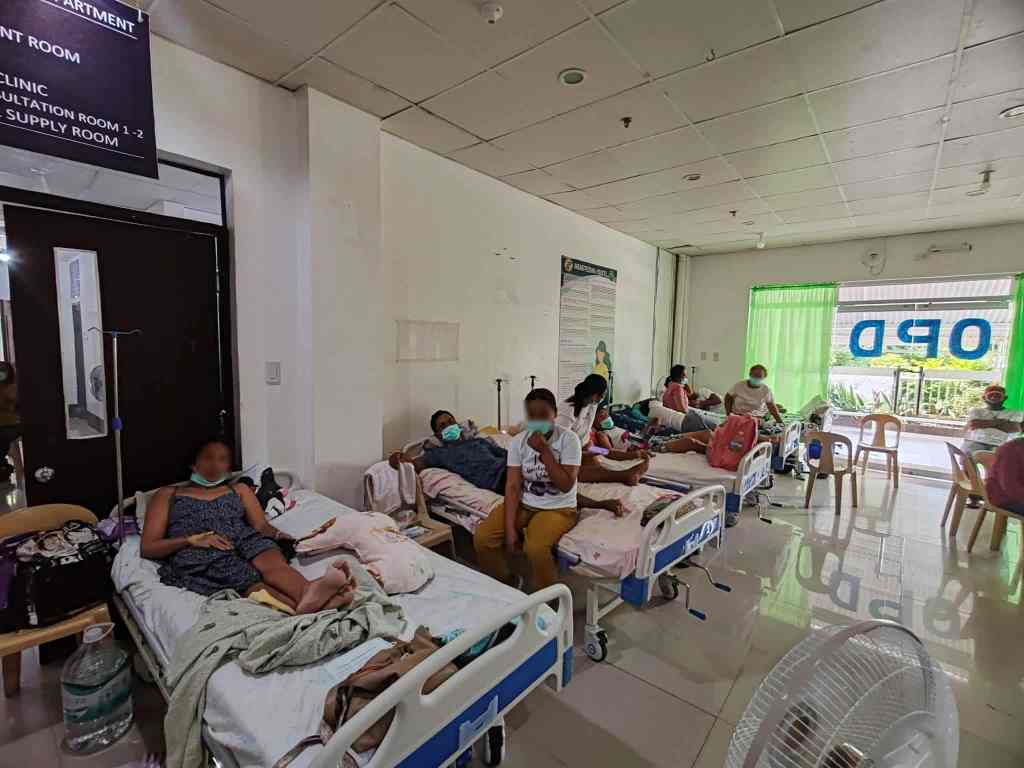
Aside from free consultations and medicines, the missions offered major surgical operations, including procedures for hernia, goiter, breast cancer, gallbladder stones (cholecystectomy), and parotid or “bayuok” cases.

“These operations prove that our healthcare outreach is not just symbolic, but life-saving,” Gov. Baricuatro said. “We are committed to making quality medical care accessible to all Cebuanos, especially those in far-flung communities.”

Another medical mission on August 16–17 at the Cebu Provincial Hospital in Danao City, provided P10 million worth of free surgeries. For the first time in Cebu’s history, private hospitals, organizations, and volunteers partnered with the Province for large-scale surgical operations.

Specialists from Chong Hua Hospital, UCMed, the Cebu Medical Society, and other medical teams joined the initiative.

Backing her pledge with resources, Gov. Baricuatro has a proposed ₱650 million in capital outlay under her proposed 2026 budget for the improvement of district and provincial hospitals. The fund will cover facility upgrades, acquisition of modern medical equipment, and expansion of specialized services.

Her administration also rolled out barangay-level health caravans, replenished medicine supplies in rural health units, and initiated support measures for frontline health workers, including hazard pay and allowances.

In Camotes island, she increased the fuel subsidies of ambulances while working ways to expedite the acquisition of sea ambulances.
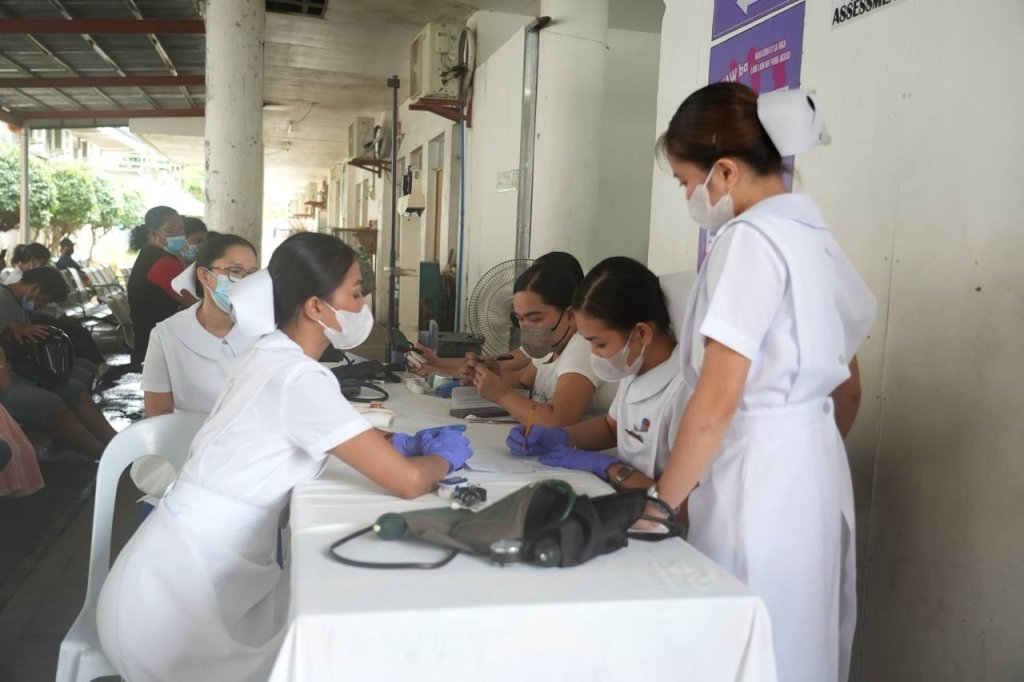
Dr Nikki Catalan also emphasized the urgency of upgrading the hospital facilities in the islands because in the past, ‘a boat ticket in Jomalia Shipping has become a doctors prescription’ which means a patient needs to be transported to mainland hospitals due to inadequacies in the island healthcare facilities.

Private groups were also encouraged by the governor’s strong health advocacy. Doctors and specialists from as far as Australia joined local volunteers in conducting medical missions, creating a multiplier effect that expanded both the attention and resources dedicated to healthcare in the province.

Gov. Baricuatro’s decisive focus on health is among the most tangible accomplishments of her first 100 days. By pairing immediate, life-saving interventions with long-term hospital development, she is setting the stage for a stronger, more inclusive provincial healthcare system

🎙️𝗪𝗵𝗼 𝗗𝗼 𝗬𝗼𝘂 𝗟𝗶𝘀𝘁𝗲𝗻 𝗧𝗼?

Our opinions aren’t formed in a vacuum. They are shaped, little by little, by the voices we tune in to every day. In Cebu, for more than two decades now, two titans have ruled the early morning airwaves. Their voices have become fixtures in our daily routines, shaping public opinion one commentary at a time.

Even with the shutdown of ABS-CBN, veteran journalist Leo Lastimosa has continued to air his daily dose of political insight and sharp observation online, undeterred, unwavering, and unapologetically critical.

On the other side, a lawyer with a sharp tongue and a wit to match, Atty. Ruphil Banoc of DYHP / RMN delivers his views with a punch, often wrapped in humor, anecdotes, and direct hits.

Interestingly, they often have contrasting take on the prevailing issues of the day, two choirs singing from the far edges of the opinion spectrum.

From barbershops to roaming taxis, their voices ring out daily, steadfast in conviction, preaching their gospel-truth to any soul willing for communion.

Two styles. Two ideologies. Two loyal followings. Which voice influences you more? Who do you listen to? Atty. Ruphil Banoc or Leo Lastimosa

#CebuVoices #LeoLastimosa #RuphilBanoc #CebuRadio #PoliticalCommentary #InfoCebu

𝗔 𝗖𝗘𝗕𝗨𝗔𝗡𝗢 𝗗𝗥𝗘𝗔𝗠 𝗚𝗢𝗜𝗡𝗚 𝗚𝗟𝗢𝗕𝗔𝗟, 𝗧𝗛𝗘 𝗕𝗢’𝗦 𝗖𝗢𝗙𝗙𝗘𝗘 𝗦𝗧𝗢𝗥𝗬

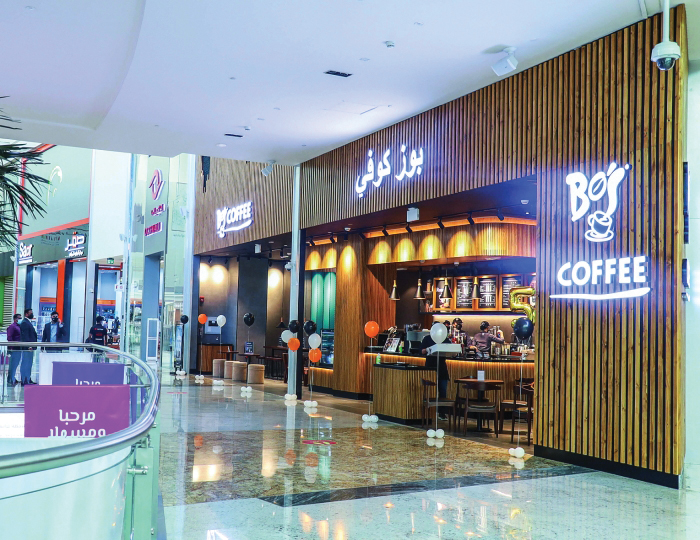
A Bo’s Coffee branch in Abu Dhabi

When Steve Benitez opened the first branch of Bo’s Coffee in Ayala Center Cebu in 1996, few could have imagined that this humble kiosk would evolve into a global Filipino brand. Born in a time when international coffee chains were starting to dominate the Philippine market, Bo’s Coffee stood out by being proudly local, and more importantly, proudly Cebuano.

Planting the First Seed

Steve Benitez was just a young entrepreneur with a law degree and a big dream. Instead of pursuing a legal career, he followed a different aroma — the rich scent of freshly brewed coffee. That dream began with a simple desire: to serve coffee made with homegrown beans from the highlands of the Philippines and create a space that celebrated Filipino warmth and hospitality.

The early days were tough. People didn’t immediately flock to a “local” coffee shop. In fact, Benitez had to do the barista work himself, sometimes even giving away free coffee just to introduce the brand. But he stayed firm, fueled by passion, belief in Filipino products, and his Cebuano grit.

Rooted in Filipino Identity

Unlike global coffee chains that showcase foreign flavors and imported beans, Bo’s Coffee built its brand on a different principle: supporting Filipino farmers and communities.

The beans come from the mountain provinces of Sagada, Benguet, Mt. Kitanglad, Mt. Apo, and Mt. Matutum. Each cup served in Bo’s is a tribute to the Philippines’ rich coffee-growing heritage. This commitment to local sourcing didn’t just ensure fresh quality — it also empowered farming communities across the country, making Bo’s not just a business but a movement.

Moreover, Bo’s Coffee made a conscious decision to highlight Filipino culture in every detail — from the interiors of their stores that feature local art and furniture to their partnerships with local social enterprises. It’s a coffee experience infused with bayanihan and malasakit.

The Cebuano Spirit of Resilience and Innovation

The growth of Bo’s Coffee can also be seen as a mirror of Cebu’s own rise — from a regional hub to a global player. Just as Cebu established itself as a center for trade, tourism, and culture, Bo’s grew from one shop to over 100 branches nationwide, then began opening doors abroad.

In 2018, Bo’s Coffee opened its first international branch in Doha, Qatar, followed by expansion plans in the UAE and other key cities in the Middle East. This was not just a business move; it was a tribute to the millions of OFWs and Filipinos overseas who longed for a taste of home.

Steve Benitez called this move a way to “bring the Filipino coffee experience to the world.” And just like that, a Cebuano-born coffee brand became a symbol of national pride, carried abroad by the winds of nostalgia and ambition.

More Than Coffee: A Platform for Empowerment

One of the lesser-known yet deeply inspiring aspects of Bo’s Coffee is its support for social entrepreneurs. The company collaborates with local enterprises like Anthill Fabric Gallery (for uniforms and furnishings), Bayani Brew (for bottled tea), and Hope in a Bottle (for purified water) — creating a value chain that uplifts small businesses and promotes sustainable livelihoods.

This ecosystem approach — where success is shared, not hoarded — reflects the Filipino value of community, deeply rooted in Cebuano heritage.

Legacy Brewing

Today, Bo’s Coffee continues to expand while keeping its values intact. It has become more than just a coffee shop; it’s a homegrown legacy, a Cebuano-born brand that chose to grow slow, grow proud, and grow local — before going global.

As the aroma of Filipino coffee begins to waft across the world, Bo’s stands as a reminder that sometimes, the best brands don’t come from Silicon Valley or European capitals. Sometimes, they begin right in the heart of Cebu — with a bold vision, a warm heart, and a very good cup of coffee.

Bo’s Coffee has more than 120 branches already including 9 outlets in Qatar and 2 in Dubai. Canada and the USA ate next in their expansion

The Phenomenal Rise of Crispy King: How a Local Brand Took Over the Fried Chicken Throne

In an era where big names dominate the food scene and global fast-food chains enjoy decades of head start, one unlikely challenger is rewriting the playbook . Crispy King. What started as a small venture from a self-made entrepreneur with no college degree is now a national phenomenon. From just 100 branches in 2021 to more than 1,000 branches in 2025, Crispy King has done more than just grow, it has conquered.

And astonishingly, it’s still warming up.

The Man Behind the Crown

Behind Crispy King is Eric Joseph Quitalig Tolo, a name quickly rising in the Philippine business scene, though still under the radar of mainstream media. No fancy MBAs or high-profile backers — just grit, diskarte, and an uncanny ability to read the market.

Eric began with a humble bakeshop in Cebu and after growing it to four branches, he returned to his roots in Ormoc, where he would plant the seeds of an empire. Alongside Dayka Bakeshop, he also built Estong Lechon Manok , but it is Crispy King that would become his crown jewel.

A Fried Chicken Frenzy

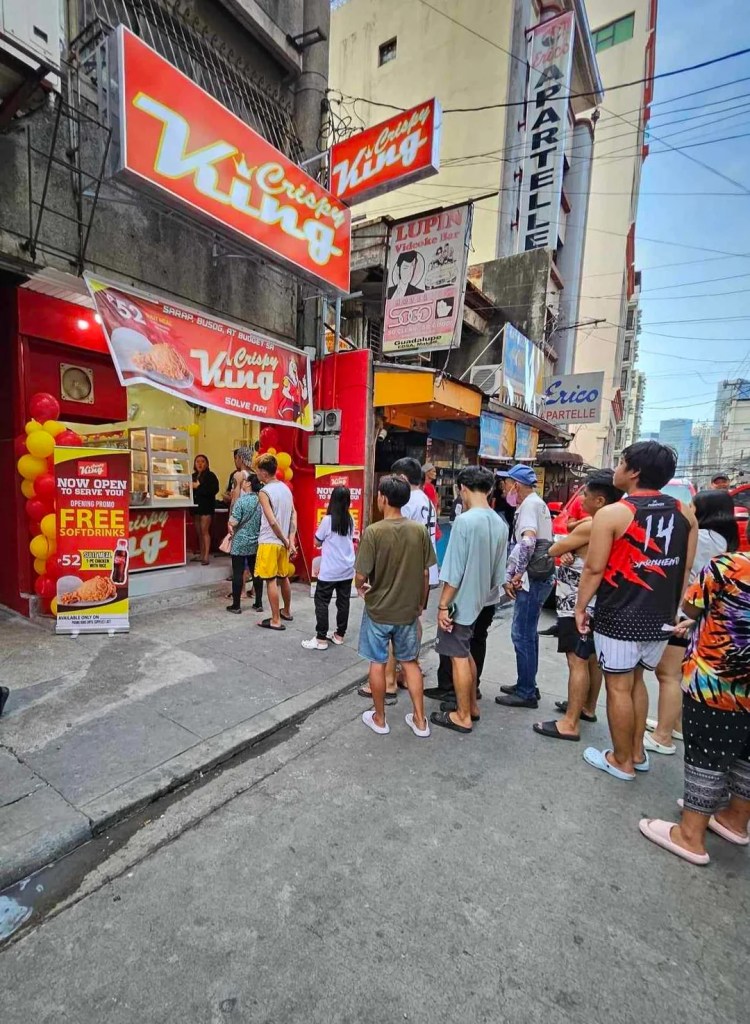
What makes Crispy King’s growth so shocking is not just the speed — but the demand. Even in towns with five or six branches, long queues snake around its humble counters during peak hours. In cities like Dumaguete, fans joke that “for every four steps you take, there’s a Crispy King,” while one follower on Facebook from Surigao quipped, “It’s not China that’s taking over our territory — it’s Crispy King.”

No PR agency engineered this. No flashy ad campaign launched it. The growth was, and still is, organic, driven by the most powerful force in marketing: word of mouth.

How Did They Expand So Fast?

The numbers are mind-bending:

  • 2021: 100 branches
  • 2023: 220 branches
  • 2025: Over 1,000 outlets and counting

In a country where permits, supply chains, and logistics can be a headache, how did this explosion even happen?

Here’s what insiders and observers believe are key:

1. Franchise Model That Works for the Masses

Crispy King’s franchise model is lean, affordable, and designed for aspiring entrepreneurs in provincial towns. The setup cost is lower than most mainstream food chains, allowing sari-sari store owners, OFW returnees, and local investors to grab a piece of the action.

2. Simplicity Is Their Secret

No fancy menus, no massive store layouts. Just a focus on what Filipinos love — crispy, flavorful fried chicken with rice at an affordable price. This allows faster setup, easier replication, and a consistent product experience.

3. Mass Appeal, Filipino Style

Crispy King’s flavor hits home. It’s reminiscent of lutong-bahay fried chicken, but with the crunch and seasoning that rivals any fast-food giant. The affordability is key: a meal at Crispy King won’t hurt your wallet but will satisfy your craving.

4. Real-Time Improvement

Unlike many startups that wait for perfection, Crispy King keeps evolving on the ground. Slowly but surely, better packaging, upgraded store designs, and new product lines are being introduced. Instead of launching everything at once, they’re refining as they go, a sign they’re in it for the long haul.

Flying Under the Radar

Perhaps the most surprising thing about Crispy King is how little is written about them. Apart from a rare video interview with Korina Sanchez, there is no well-oiled PR team. No press releases, no glossy media coverage. Yet, the brand is winning ground branch by branch, town by town.

And that’s what makes the rise even more impressive — it’s unmanufactured. The buzz comes from long lines, full rice meals, and satisfied customers.

The Impact: Is the Joyful Bee Still Sleeping Well?

Make no mistake . Crispy King is not just some flash-in-the-pan trend. The consistency in quality, speed of expansion, and unrelenting demand suggest something deeper: a real disruption in the local fast-food industry.

Even the country’s most beloved brands — including the once untouchable “joyful bee” — must be taking notice. When a challenger can open multiple branches in one town and still have customers lining up, it’s no longer an anomaly. It’s a market shift.

What’s the Real Secret?

According to Eric himself, Sipag at tiyaga are not enough. You need to have diskarte as well.

That word — diskarte — is hard to translate but deeply understood by every Filipino hustler. It’s resourcefulness. Street smarts. The instinct to navigate challenges and spot opportunities others miss.

It’s also what has brought a man with no college degree from a bakery in Cebu to a fried chicken empire in Ormoc, with 1,000+ branches across the nation — and growing daily.

A Kingdom Still Rising

Crispy King isn’t just building a brand — it’s building a movement. It speaks to every Filipino dreamer who’s ever wanted to start something of their own. It proves that you don’t need an Ivy League diploma or billions in capital to win in business. Sometimes, all you need is a killer recipe, a clear vision, relentless execution — and a whole lot of diskarte.

One thing’s certain: The chicken wars are far from over.

And Crispy King?
They’re just getting started.