
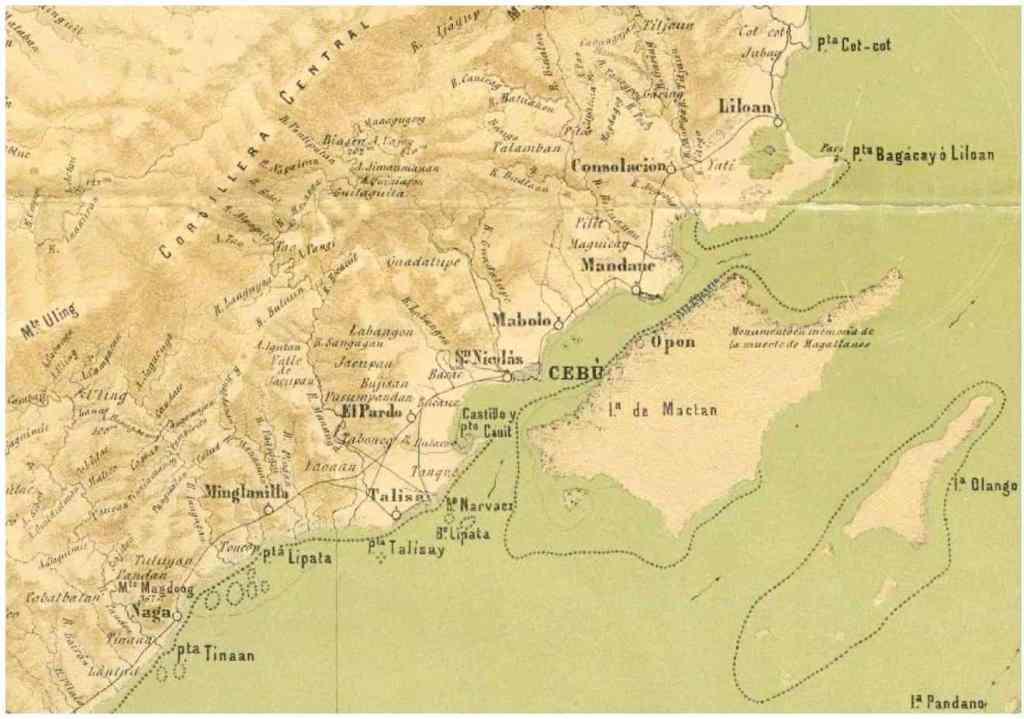
Before there was Cebu City, there was Singhapala, the ancient capital of the Indianized kingdom of Cebu, founded by the legendary Sri Lumay. And right where Barangay Mabolo now stands is believed to be the heart of that ancient realm, the cradle of early Cebuano civilization.
Long before Spanish ships anchored on our shores, the land of Mabolo was already a thriving hub of trade and culture. Here, native leaders ruled, merchants from distant islands exchanged goods, and life was shaped by Indian and Malay influences. This was the Cebu that time almost forgot, the Kingdom of Mabolo, centuries before it became part of a bustling city.
As the Spanish colonial era dawned, Mabolo evolved from a royal capital into a flourishing town of farmers, traders, and the faithful. In 1850, the Mabolo Parish was established, giving the community a spiritual anchor.
The town was named after the mabolo tree, whose fruit, a type of Philippine persimmon known for its soft red velvet skin and fragrant flesh, once grew abundantly across the area.

By the late 1800s, Mabolo stood proudly as an independent municipality, rich in tradition and community spirit. But change arrived with the American period.
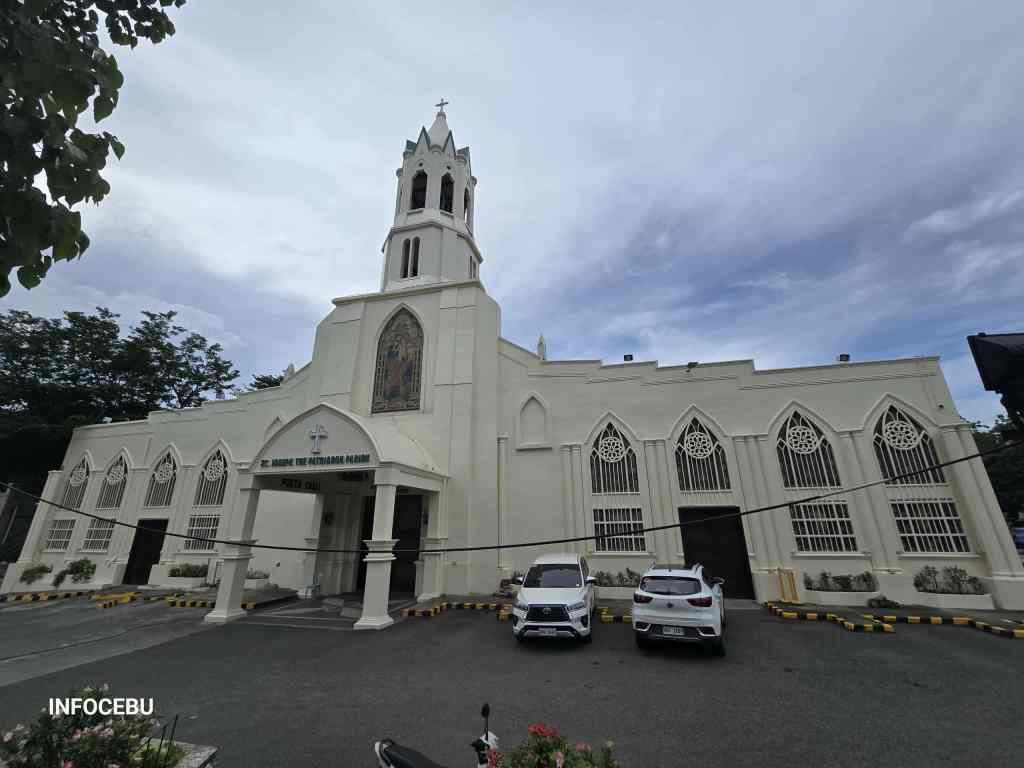
In 1905, Mabolo’s independence as a town ended when it was incorporated into the growing City of Cebu, along with other nearby municipalities.

What was once the seat of an ancient kingdom became part of a modern metropolis. Yet beneath the concrete and city lights, Mabolo’s roots run deep, whispering the story of Singhapala, of Sri Lumay, and of a humble fruit tree that gave a kingdom its name. 


 InfoCebu