

Many have dreamed of a bridge linking Cebu and Bohol, a bold connection that could transform travel and trade between the islands. But while the idea is captivating, the reality beneath the waters of the Mactan–Olango channel tells a different story, one of extraordinary depth, complex engineering, and massive costs. This isn’t to say it will never happen, but for now, the bridge remains a vision tempered by practical challenges.
It is extremely challenging from technical, financial, and environmental standpoints.
1. Distance and Scale
- The shortest straight-line distance between Central Cebu (Cordova area) and northern Bohol (Jetafe) is about 20–25 km.
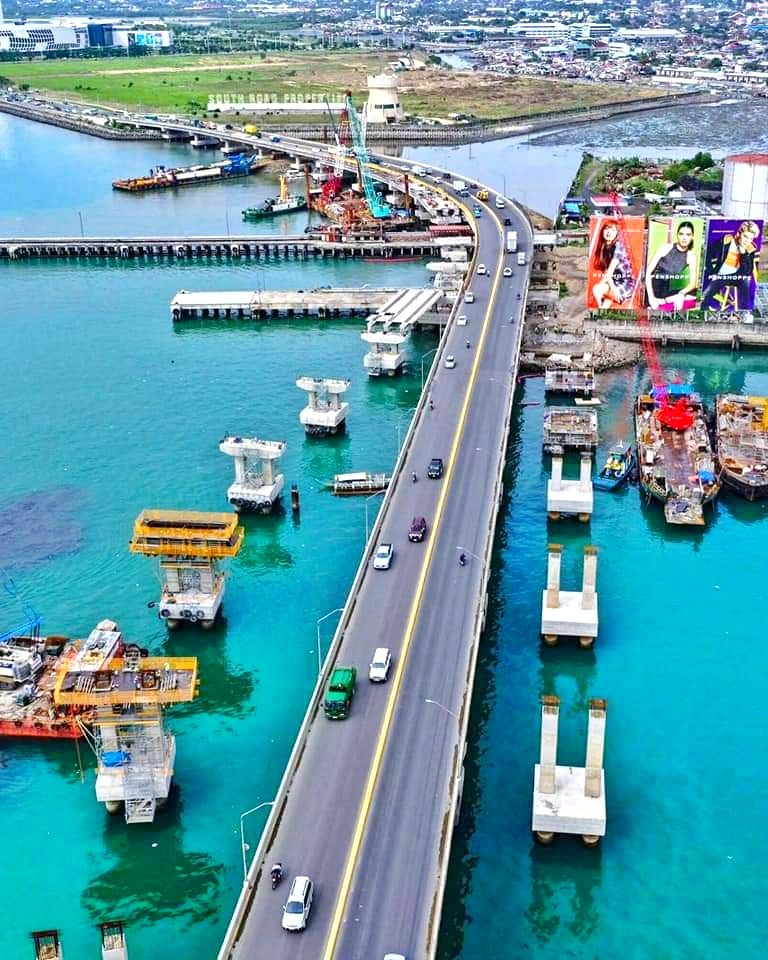
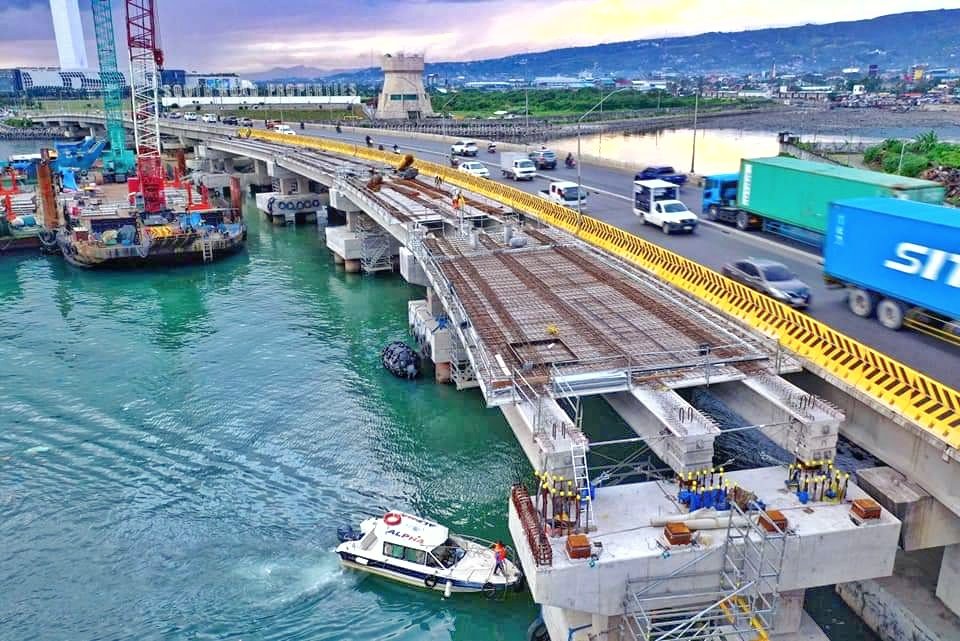
- For comparison, the Cebu–Cordova Link Expressway (CCLEX) is only 8.9 km long.
- A Cebu–Bohol bridge would therefore need to be 2–3 times longer than CCLEX, making it one of the longest sea-crossing bridges in Southeast Asia.
2. Deep and Complex Sea Bed
- The Cebu Strait and Bohol Strait have deep waters (up to 200 m in some areas) with strong tidal currents especially the area between Olango and Mactan.
- Deepwater bridge piers would be technically difficult and extremely costly to construct.
- Similar projects worldwide (e.g., Hong Kong–Zhuhai–Macau Bridge) required advanced engineering and huge budgets due to deep seabeds and typhoon-prone conditions.
3. Environmental Concerns
- The area between Cebu and Bohol is part of the Danajon Double Barrier Reef, one of the few double barrier reefs in the world.
- Construction could damage coral reefs, seagrass beds, and fisheries, affecting local communities dependent on fishing.
- Environmental compliance and opposition from conservation groups would significantly delay or block such a project. The new Cebu Archbishop Alberto Uy already announced last year when he was still assigned in Tagbilaran that he will oppose the plan to build a bridge.
4. Weather and Seismic Risks
- The Visayas region is typhoon-prone. Designing a bridge that can withstand typhoon winds, storm surges, and saltwater corrosion would drastically increase costs.
- The area is also near the Philippine Fault Zone, raising earthquake risk concerns.
5. Shipping Lanes
- The Hilutungan Channel is a busy navigation route for cargo and passenger vessels.
- The bridge would need very high clearance or an alternative design (such as a suspension span) to avoid obstructing maritime traffic.
5. Cost Impact
- The Mactan–Olango crossing would require:
- Extremely tall pylons (comparable to or taller than the Akashi Kaikyō Bridge in Japan), or
- A subsea tunnel segment, which is even more costly.
- This section alone could drive up the project cost by tens of billions of pesos.
5. Economic Viability
- Estimated cost for a 20–25 km sea bridge could exceed ₱200–300 billion (USD 3.5–5 billion).
- Given the population and traffic demand between Cebu and Bohol, toll revenue may not justify the investment.
- Ferry services currently provide a cheaper alternative for both passengers and cargo.
6. Alternative Solutions Already in Place
- Fast crafts and Ro-Ro ferries already connect Cebu and Bohol efficiently in about 1.5–2 hours.
- Expansion of port facilities or faster ferries would be far cheaper than a fixed bridge.
- The government should provide incentives to private companies investing in modern catamarans, like those built in Balamban and delivered to Denmark and other
✅ Conclusion:
While technically it may be possible, a Cebu–Bohol bridge faces extreme engineering, environmental, and financial barriers. For now, improving ferry infrastructure remains a far more realistic and cost-effective solution.
It is commendable however, that our government officials are having this conversation, so as to open any infrastructure plan to public scrutiny and healthy exchange of ideas.
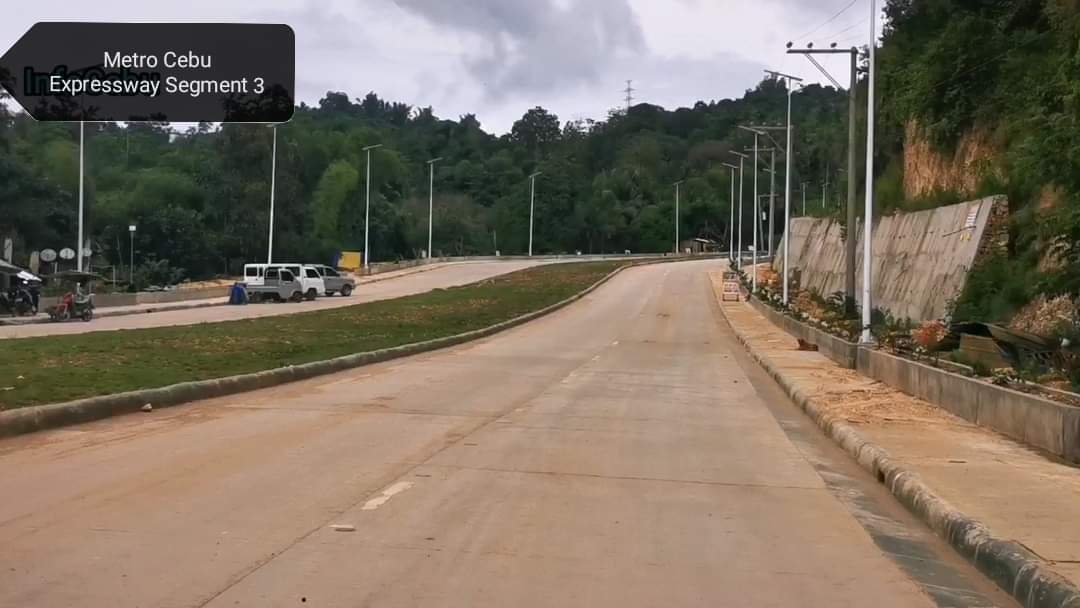
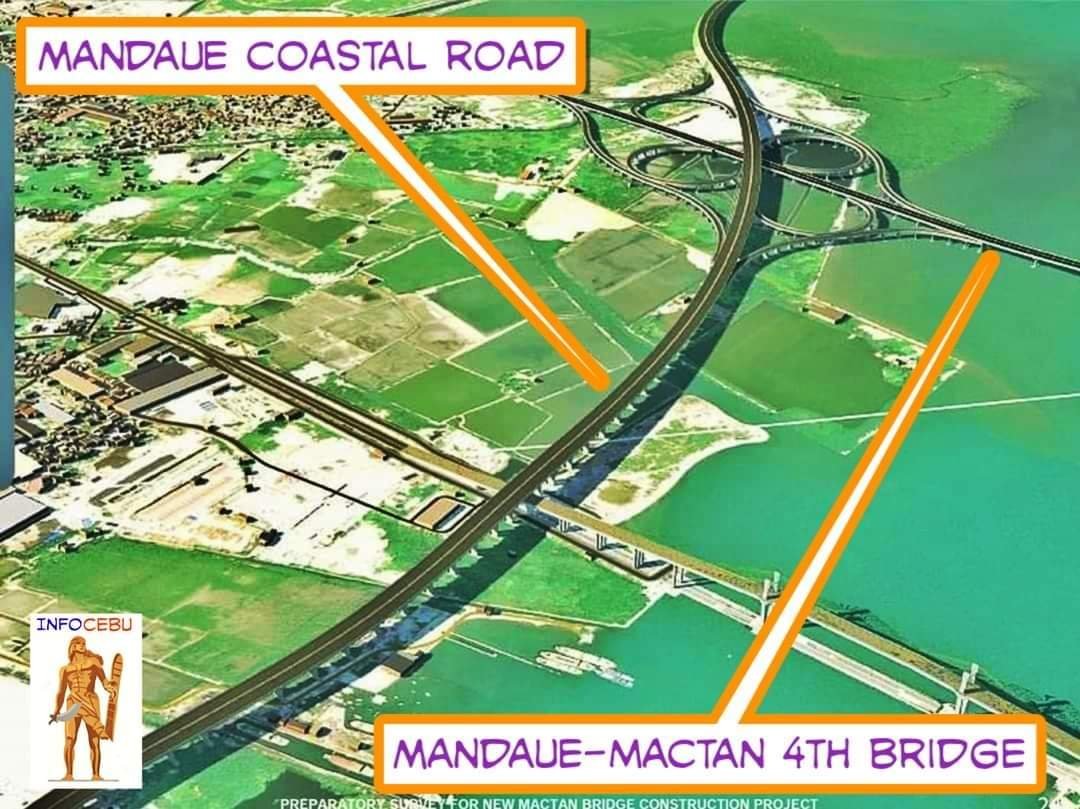
Incidentally, there are urgent and crucial infrastructure projects that Metro Cebu need as recommended in a comprehensive study conducted by JICA . contained in a final report they submitted in 2019.
(Will write a story within the day)









 InfoCebu