A Defining Era in Cebu Real Estate (2010-2019)

As we draw this decade to a close, let us look back to the past ten years of Cebu’s Real Estate industry.
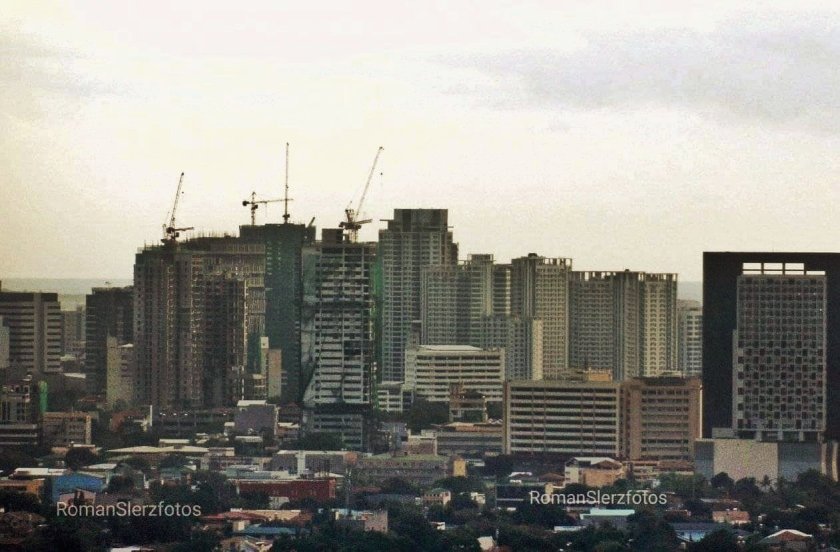
The 10’s decade (2010-2019) is the most progressive time in Cebu’s history by far. The skyline and the transformation of its landscape will tell you that. But what, and who defined Cebu’s growth during this period?

The rise of homegrown developers

After the 1997 Asian Crisis and during the early years of the new millenium, the industry was only growing moderately in mostly horizontal projects, but when an upstart local developer, Fuente Triangle and Realty Development Corp. started offering a series of high-rise condominiums in the uptown area, a sudden condominium frenzy was ignited and has not slowed down since then.

New local developers like Cebu Landmasters, AppleOne Properties and Innoland sprouted up and even the big companies from other industries were also inspired to diversify to real estate business.
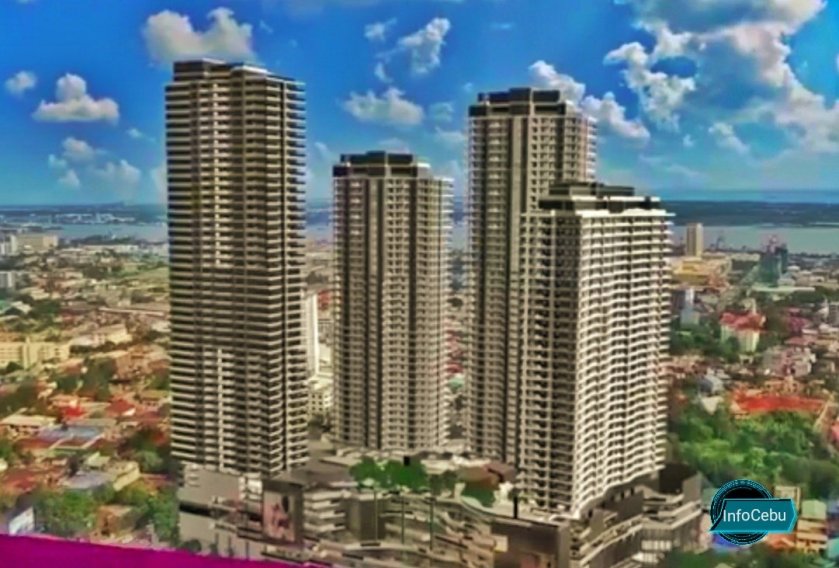
Taft East Gate by TAFT Properties

From Metro Gaisano, TAFT Properties was born. It constructed Cebu’s tallest building today, Horizons 101, and also developed Taft East Gate.

Duros Land Properties is an offspring of a construction powerhouse while King Properties and Priland Development Corp. are from Heavy Equipments and Food.

Optimism of national developers

It did not take long for Manila based developers to notice that Cebu is ripe for more vertical projects and getting ready for a condominium lifestyle.

Ayala Land brought down its four brands altogether. Ayala Land Premier developed 1016, Park Point Residences and now, The Alcoves. Alveo Land had Sedona Parc then the Solinea series. Avida Land focused in I.T Park area, building its 7th tower now while Amaia is establishing a hub in Mandaue City.
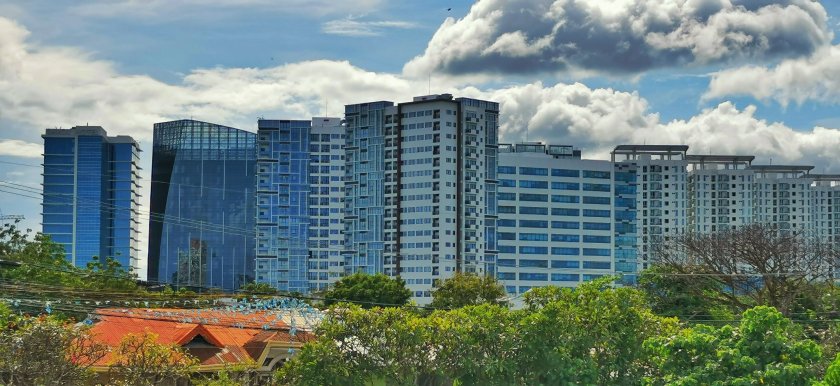
Mactan Newtown

Federal Land took advantage of its landbank adjacent to Marco Polo Hotel and built a series of upscale towers overlooking the city.

Robinsons Land built a signature Galleria Mall and built condominiums on top, while another mixed-use development, Isla dela Victoria is just being started at the SRP.

Megaworld had its eyes fixed in Mactan island with a multi-billion township, Mactan Newtown.

By a similar strategy, Filinvest also pooled its resources around City di Mare, its massive township in South Road Properties.

Meanwhile, Rockwell, Arthaland and DMCI are also beginning to establish their own footholds in the city.

World-Class Cebu

Aside from the homegrown and the national developers, Cebu’s charm has also caught the eye of international property builders.

Hongkong Land, one of Asia’s oldest and biggest developers is building a game-changing sea-front development in Mandaue City called Mandani Bay. (In joint-venture with local TAFT Properties).

Another Chinese group, City Clou is investing in a 5-tower project in D. Jakosalem St. while a Korean group, Saekyung, also joined the fray as well with its affordable condominium projects in Mactan island.

Other proposals from a Singaporean firm and a large Dubai based developer are also now pending approval.

Strategic Alliances
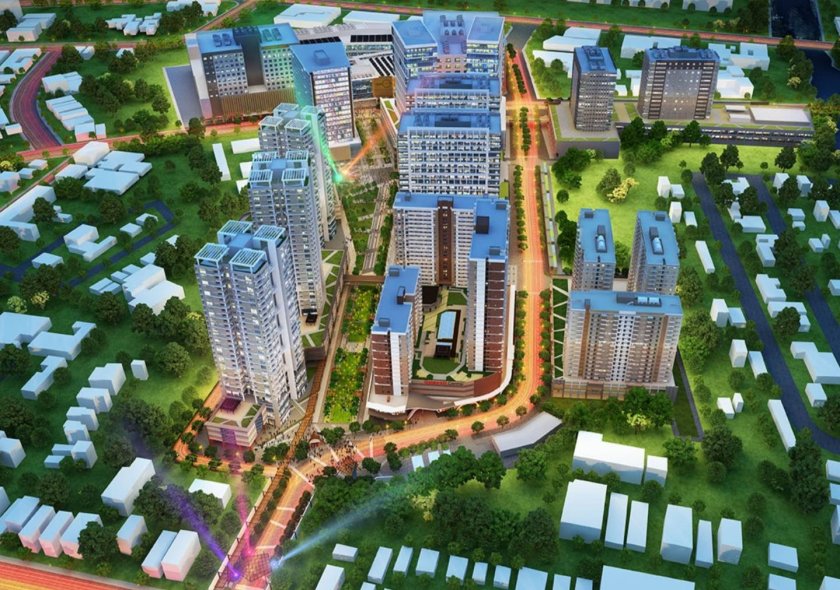
Instead of engaging in cutthroat competition, developers have smartly combined their forces when necessary, to maximize productivity especially in a place like Cebu where land is getting scanty and scarce.

TAFT Properties for instance, has partnered with Hongkong Land for Mandani Bay in Mandaue City and Ayala Land for Sea Grove project in Mactan.

On the other hand, Ayala Land also has a consortium with SM Group for a 27 hectare project across SM Seaside City and another partnership with Aboitiz Land for a business district development in Mandaue reclamation area called The Gatewalk.

Aboitiz Land also inked a deal with Cebu Landmasters for a multi-tower residential project in another part of Mandaue City.

Cebu Landmasters, meanwhile, has a joint-venture with the Borromeo family in an office building project in Cebu Business Park and another with the Gothong group in a residential project inside I.T. Park.

Value of dormant land unlocked
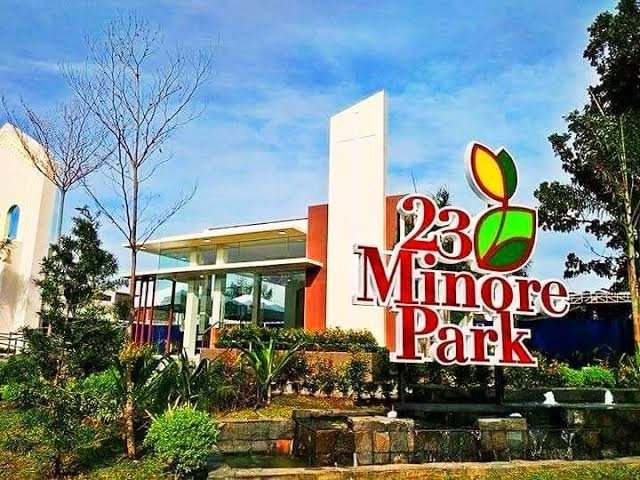
Even church-owned estates in key areas of the city are now developed by private developers under a usufruct agreement, effectively unlocking the value of the land.

23 Minore Park by Duros Land Properties is an example and more recently, the Patria de Cebu re-development of Cebu Landmasters.

All these things happened in the last decade, where Cebu will be after another ten years is anybody’s guess.

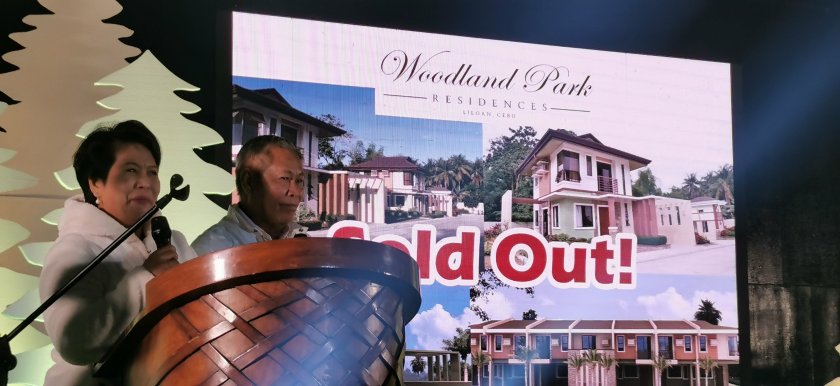
Duros Land Properties sold-out 3 projects in 2019, gears for more in 2020!

Homegrown developer Duros Land Properties had a banner year for 2019 as it sold-out three of its projects in Cebu City and Liloan, Cebu.

This was announced by its president, Fe Mantuhac Barino during the Broker’s Appreciation Night party held in IC3 Convention Center.

In front of Cebu’s top real estate brokers and sellers, Mrs Barino, together with husband Lito Barino, the founder and chairman of Duros conglomerate announced the successful 2019 campaign that depleted the inventories of two residential subdivisions in Liloan and that of its condominium project in Lahug, Cebu City.

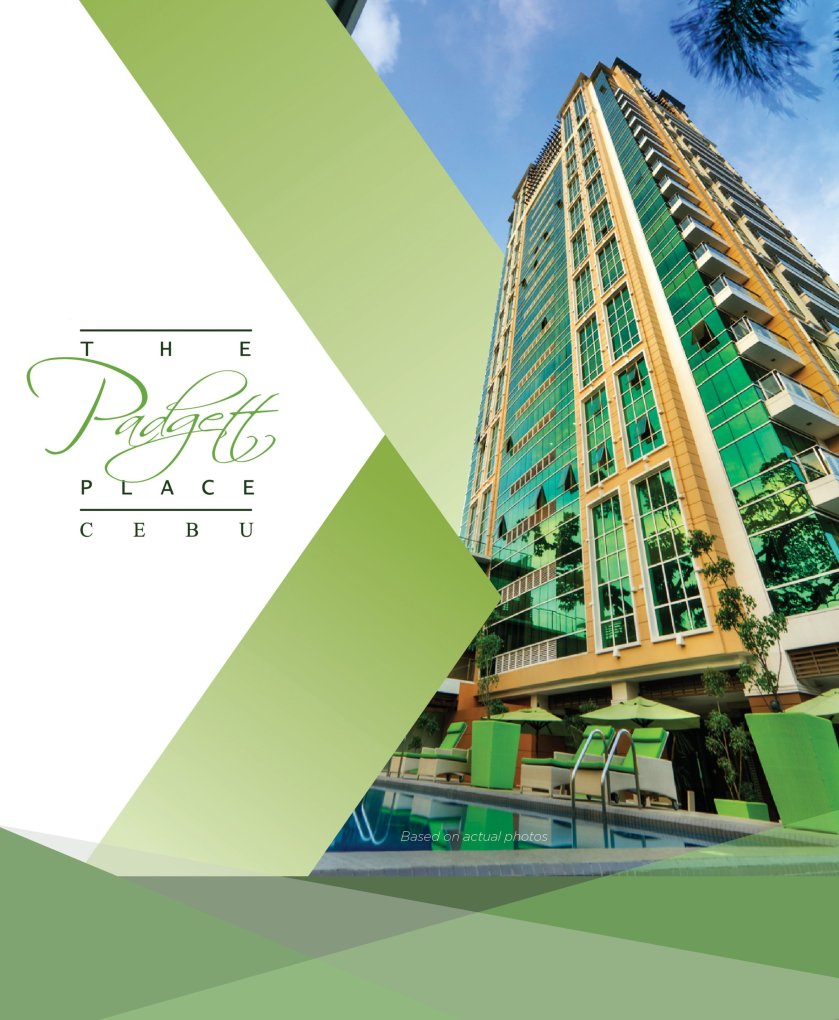
The Padgett Place is a 26-storey premium condominium with luxurious amenities and ultra-spacious units is located in Molave st. Lahug.

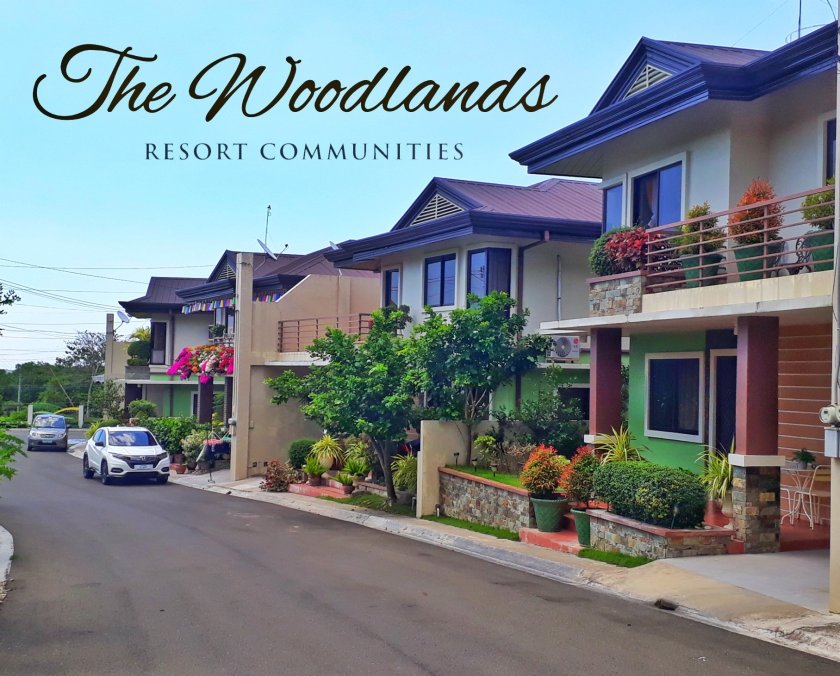
Woodland Park Residences Phase 1 in Upper Yati, Liloan, with its more than 150 units were likewise sold-out.

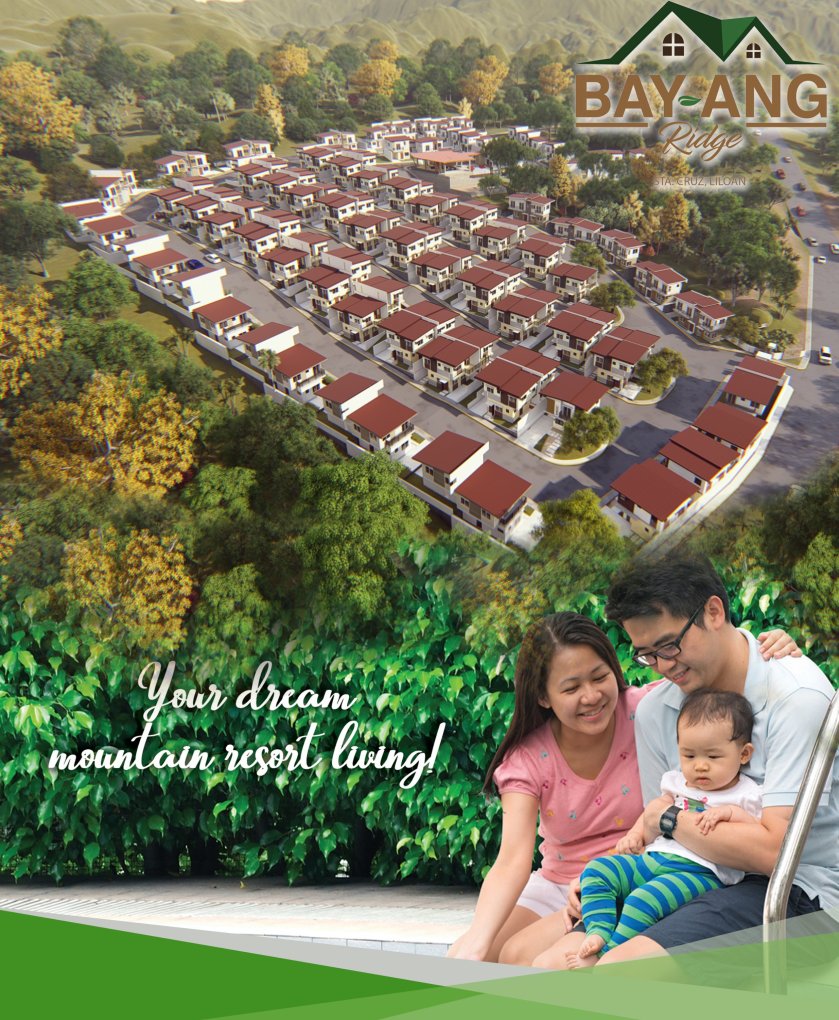
Another project, Bay-Ang Ridge which was launched only last December 2018 also saw its inventories wiped-out within the year.

Due to the rapid take-up of its projects, The Barino couple divulged that Duros Land has prepared an exciting line-up of new developments for 2020.

First in the list is a high-end 74-hectare lot only subdivision in the famed Lataban Hills in Barangay Lataban, Liloan. With amenities like an orchard forest, communal garden and access to Liloan Golf among others, it is certainly going to be another blockbuster in the making.

Then there’s a 20-storey residential condominium project in the highly sought-after area of Imus, Cebu City. It is conveniently located halfway between University of San Carlos and Robinsons Galleria Cebu.

Also in the company’s pipeline for next year is a midrise condotel project in Panglao, Bohol adjacent to the new international airport. It is the first Duros Land project in Boholandia and its second outside Cebu after the Gana Siargao Resort in Siargao Island.

Project Development Head Ian Mantuhac and Architect Lester Banzon both revealed that more projects are in the drawing board both inside and outside Cebu with the company’s considerable land bank.

Minore Hotel, another Duros Land project right in the heart of Cebu’s business district is also set to open in the second quarter while One Tectona Condominium in Liloan, Cebu will top-off in the third quarter, both of next year.

A busy year that was and an even busier year ahead for Duros Land Properties.

Housing Backlog in Cebu

A housing project in Linao, Minglanilla

While there is no official data on the actual statistics of housing backlog in Cebu, industry estimates run from between several hundred thousands to as many as a million units.

Reasons for the shortage:

1️⃣ Rapid Urbanization (within Cebu)
2️⃣ Population Growth
3️⃣ Local Migration (from outside Cebu)
4️⃣ Scarcity of Land

Real Estate developers are now scampering for whatever developable sites they can get their hands into in order to have a residential project to develop.

Even small parcels of land in inner city locations are now being utilized as pocket subdivisions or low rise condominiums.

A substantial number of upcoming projects are now being built on reclaimed spaces in Cebu and Mandaue cities.

Land prices in Metro Cebu have dramatically increased (doubled or more) in the last 5 years.

With a good number of local and national real estate developers currently doing business in Cebu, it remains to be seen if the housing backlog will be addressed soon or the disparity between demand and supply will continue to widen.

Own a piece of Lataban Hills

Own this magnificent view in the famous Lataban Hills of Liloan, Cebu.

Introducing Duros Land Prime’s signature development, a 74 hectare lot-only subdivision with commercial component and leisure amenities.

If the breathtaking view is not yet enough, then immerse in the extraordinary treat of picturesque natural beauty of the nearby Liloan Golf and Leisure Estate which homeowners can have a lifetime access privilege.

But wait until you go inside the estate. An expansive 15-meter wide entrance road, pine-tree lined avenues and scenic hiking and jogging trails snaking up and down the valleys and hills. Bikers have their own lane too.

For the health conscious, there is a community vegetable garden where you can grow and share fresh produce with neighbors everyday.

Children will have plenty of room to run and roam in the pocket forests, park lagoon, and playgrounds.

Weekends won’t be boring either as families can linger and camp-out in the orchard forest and relish in the abundance of fruits. Idle evenings are transformed into star gazing extravagance here.

We reserved the best for last however.

At the highest point of the property, the clubhouse and infinity pool will be located together with basketball and tennis courts.

There will also be a viewing deck where one can glimpse the famous Lataban sunrise and sunset views.

Indeed, an extraordinary development from Duros Land Properties.

Call it home. Contact your broker now.

NOTE: For announcement purposes only

Photo credit to bryanq2017

Metro Cebu is running low on space for new houses

Only 8% of Cebu is flat land and it is depleting very fast. Scarcity drive prices up and with no other option, Cebu’s expansion will be skyward.

Cebu IT Park, then and now

Cebu has a limited buildable space. Only eight percent (8%) of its total land area is flat and this is stretched along the coastline of an elongated island. There are only two growth directions. Go north or move south.

Early days

In the 60’s, southward development began in San Nicolas Mambaling area. Subdivisions like Ma. Gochan with its fruity streets Avocado, Bayabas, Caimito, etc were established for new families.

Today, this area is very near to the city center but in those times, it was considered far. It was the distance of the ‘Parada‘ (Calesa).

Then Labangon, Punta Princesa and Tisa were developed next. Residential structures took over the corn and peanut fields, as demand for new housing steadily increase

The city government of Cebu realized the scarce land resource and the need to address the requirement of a rapidly growing city.

North Reclamation in the 90’s

Plans were initiated for the north reclamation project which eventually became the home of SM City Cebu, the first mall outside Metro Manila.

The 70’s saw expansion crawling towards the barangays of Pardo in the South and Mabolo in the north. Even with the Martial Law, economy in Cebu remained vibrant.

The 1st Mactan bridge

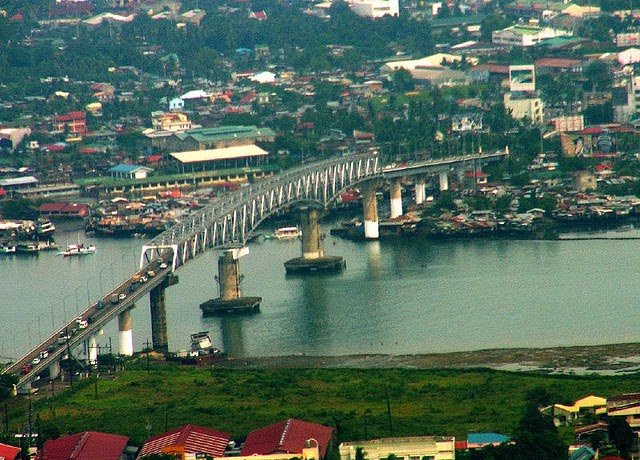
Marcos built the first Mactan bridge which opened up the island for economic and tourism activities.

The 80’s saw major expansion in Cebu, filling the hills of Guadalupe all the way to Pardo.

In the north, Lito Osmena (EMRO Holdings) moved farther north the haven of the ultra-rich, Maria Luisa Subdivision.

Banilad at that time was considered a distant suburb. I remember buying Japanese corn in a sparsely populated stretch in today’s BanTal road, which became Gaisano Country Mall not long after.

Gaisano Country Mall

The 90’s saw an unprecedented growth in Cebu. Dubbed “Ceboom”, the tandem of governor Lito Osmena and Mayor Tom Osmena opened Cebu to opportunities never seen before.

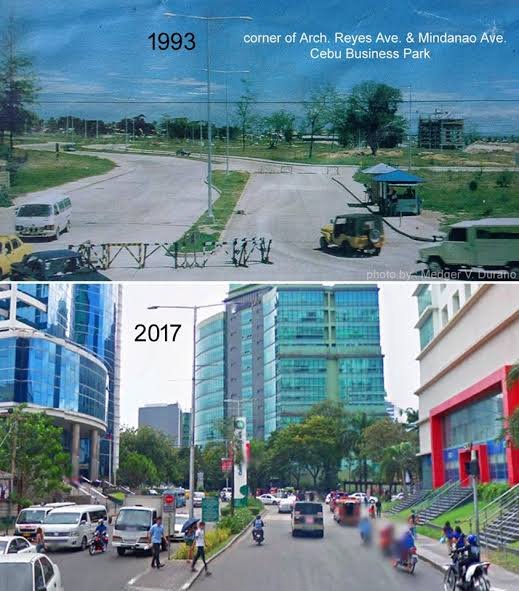
Cebu Business Park, then and now

Manila developers went on crazy shopping for land. Ayala cornered the provincial lot used as a golf course and the Lahug airport property, both of which are now bustling business districts. SM also secured the greatest chunk in the new reclamation.

Residential expansion now extends to Talisay city and Mandaue city. The northward expansion also shifted eastward to Mactan island because of the transfer of the new airport and the creation of Mactan Export Processing zone.

Low cost housing became a hit, selling in the thousands as Pag-Ibig loan facility became available.

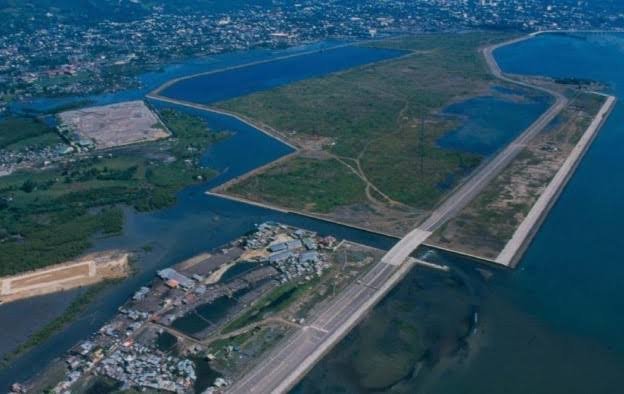
The SRP when it was newly completed

Mayor Tom Osmena then floated the idea of a south reclamation project even before the one in the north was completely sold-out.

The early nineties was also called the age of malling as three giant malls opened in Cebu City within an 18-month period. Gaisano Country Mall, opened in 1992 followed by SM City Cebu then Ayala Center Cebu (ACC) in 1993.

How these malls almost killed the businesses in Colon street will be a good separate story.

Vertical Homes

Condominiums started out in Cebu as mere status symbol for the rich. But it was short-lived with the onset of the Asian Crisis in 1997-98.

The slowdown in real estate activities continued into the new millennium although low and mid-high properties continue to sell.

Then there was the second wave of Ceboom in 2006. It just exploded out of nowhere and real estate growth went exponential since then.

Two things happened, residential properties are now pushed farther north to Compostela and down south to Naga city, but traffic also started to deteriorate and became a daily occurence.

Traffic woes and scarcity of space made condominiums a necessity in Cebu rather than an item of luxury as it was before.

Reaching the limit

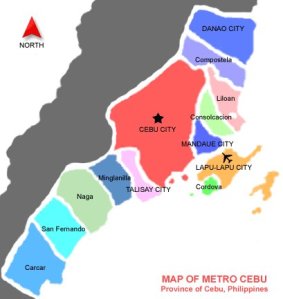
Areas after Compostela in the north and Naga City in the south are no longer viable as residence for low and mid-income families who commutes daily for school and work in Cebu City. It is a total waste of time, productivity and money.

Metro Cebu

Nowhere to go

This is a clear indicator that Cebu has nowhere to go but up. The future is in the skies.

There are ambitious plans to build highways slicing through the mountain or a viaduct above the sea. Even a mass transport system, probably the rail type is in the works.

But these infrastructures take time to build, and while they help in moving people fast, the scarcity of land remains. It is irreversible.

Developers know its a dire situation. They now scamper hard even for small parcels of land just to be able to churn out projects like pocket developments.

Colliers International shared this sentiment in a report: Condo demand high as developers faced with land scarcity.

Now is the only time

Cebu’s topography is telling us its not just the best time to buy a house now but its the only time left before prices will become exceedingly expensive. Scarcity drive prices up.

If you have money to invest, do not wait and see, for waiting is a costly exercise in real estate. Buy now then sit back and watch the value of your property grow.

When all the land is utilized, Cebu’s future development will be skyward. A true skyscraper city in the making.

*********

Credit goes to the owners of images used. Special mention Slerz, whose passion for Cebu is unwavering, a fellow Skyscrspercity forumer and a good friend.