Pacquiao vs. Barrios

Is Manny still worth the Money?
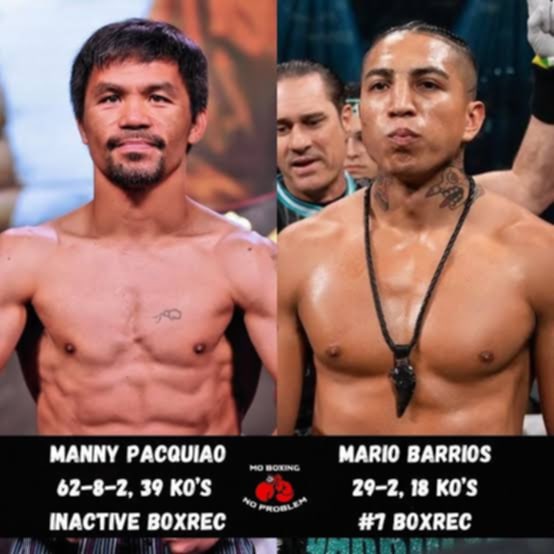
There was a time when the Philippines stood still. Every Manny Pacquiao fight used to stop the nation. Jeepneys vanished. Basketball courts emptied. Even the streets went silent. Rich or poor, in Cebu or Cotabato, people gathered around TVs, radios, or livestreams to watch the Pambansang Kamao fight with fire and faith. But that was then. Now, three days before he steps back into the ring to face Mario Barrios, the buzz isn’t quite the same. The crowd, divided. Manny Pacquiao is back, yes. But so are the questions.

The Aging Champ vs. a Divided Nation At 46 years old, Pacquiao enters what may be his final bout, no longer the overwhelming favorite, but the aging underdog. He hasn’t fought professionally since August 2021, when he lost via unanimous decision to Yordenis Ugas. Since then, he’s tried twice to return—once to the ring, once to Malacañang—and fell short both times. For some Filipinos, he remains a hero. For others, a reminder of ambition turned political misfire. So yes, he’s back—but no, the nation isn’t united like it once was. —

Remembering the Glory Days From humble beginnings in General Santos City to global stardom in Las Vegas, Pacquiao didn’t just fight in the ring—he fought for a country’s pride. He made us believe we could rise too. People still talk about: The Hatton knockout in 2009 The De La Hoya domination The wars with Márquez and Morales The roar of victory in the streets after each win He gave us something rare: national pride in real time.

This Time Feels Different There’s no barangay-wide viewing parties. No nationwide campaign to “Stop the World for Manny.” Instead, there’s debate. Is he too old? Is this about legacy or ego? Can he still win against younger, taller, hungrier opponents like Barrios? Online, some cheer. Others yawn. Many just scroll past. But even in doubt, there’s still intrigue. Because for all his flaws and failed campaigns, Pacquiao remains one of the few who ever made the entire country believe.

One Last Round? Whether you’re watching out of nostalgia, loyalty, or disbelief—one thing’s for sure: Manny Pacquiao still draws us in. He says he wants to prove he still belongs. And maybe that’s why this fight matters—not just for the result, but for what it represents:

A battle not just inside the ring, but in the hearts of a divided nation.

#PacquiaoBarrios #MannyPacquiao #PacmanReturns #PhilippinesBoxing #BoxingLegend #PinoyPride #PacquiaoFightNight #OneLastRound #PambansangKamao #PacquiaoLegacy Pacquiao comeback 2025 Pacquiao fight Philippines Pacquiao Barrios
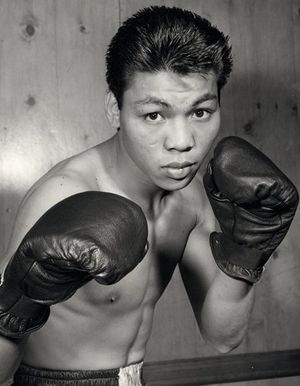
Flash Elorde: The Golden Boy From Bogo City

Before Manny Pacquiao ever laced a pair of gloves, one name stood tall in Philippine boxing, Gabriel “Flash” Elorde. Born on March 25, 1935, in Bogo, Cebu.

Elorde’s story is one of quiet beginnings, unshakable discipline, and international triumph. Long before boxing became a staple of Philippine pop culture, Flash was already carving his name into the annals of sports history.

Humble Beginnings in Bogo

Growing up in a modest family of 15 siblings, Elorde learned early the values of perseverance and resilience. He didn’t even finish elementary school—opting instead to help support his family by working various odd jobs. His boxing journey began informally, fighting in local bouts across Cebu, earning just a few pesos, but impressing crowds with his lightning-quick footwork—hence the nickname “Flash.”

Rising Through the Ranks

At just 16, Elorde turned professional and caught the attention of the national boxing scene. His graceful, southpaw style—later influenced by Filipino-American legend Ceferino Garcia—set him apart. But it was his training under Japanese fighter and trainer Koichi Wajima that refined his style into what would dominate the featherweight and junior lightweight divisions.

In 1956, Elorde shocked the boxing world by defeating Sandy Saddler, then the world featherweight champion, in a non-title bout in Manila. This victory put Elorde on the international radar.

World Champion

On March 16, 1960, Flash made history. He defeated Harold Gomes of the United States via a seventh-round knockout in Quezon City, capturing the World Junior Lightweight Title—the first Filipino to win a world boxing title since Pancho Villa in the 1920s. Elorde held the title for over seven years, defending it 10 times, a feat that remains unmatched in junior lightweight history.

A Champion Inside and Outside the Ring

Elorde wasn’t just a fighter; he was a gentleman. Known for his humility, discipline, and sportsmanship, he embodied the ideal Filipino athlete. He became a national figure during the 1960s, endorsing brands and appearing in media, but never losing his roots in Bogo.

After retiring in 1971, he helped train a new generation of Filipino boxers and established a boxing promotion business that would carry his name—the Elorde Boxing Gym, now run by his sons and grandchildren.

Legacy and Honors

Flash Elorde passed away on January 2, 1985, at the age of 49 due to cancer. But his legend continues. He was posthumously inducted into the International Boxing Hall of Fame in 1993. In his honor, the Flash Elorde Awards recognize the best in Philippine boxing every year. A statue of him stands proudly at the Bogo City Plaza, reminding locals that greatness can rise from even the humblest of origins.