Flash Elorde: The Golden Boy From Bogo City

Before Manny Pacquiao ever laced a pair of gloves, one name stood tall in Philippine boxing, Gabriel “Flash” Elorde. Born on March 25, 1935, in Bogo, Cebu.

Elorde’s story is one of quiet beginnings, unshakable discipline, and international triumph. Long before boxing became a staple of Philippine pop culture, Flash was already carving his name into the annals of sports history.

Humble Beginnings in Bogo

Growing up in a modest family of 15 siblings, Elorde learned early the values of perseverance and resilience. He didn’t even finish elementary school—opting instead to help support his family by working various odd jobs. His boxing journey began informally, fighting in local bouts across Cebu, earning just a few pesos, but impressing crowds with his lightning-quick footwork—hence the nickname “Flash.”

Rising Through the Ranks

At just 16, Elorde turned professional and caught the attention of the national boxing scene. His graceful, southpaw style—later influenced by Filipino-American legend Ceferino Garcia—set him apart. But it was his training under Japanese fighter and trainer Koichi Wajima that refined his style into what would dominate the featherweight and junior lightweight divisions.

In 1956, Elorde shocked the boxing world by defeating Sandy Saddler, then the world featherweight champion, in a non-title bout in Manila. This victory put Elorde on the international radar.
World Champion

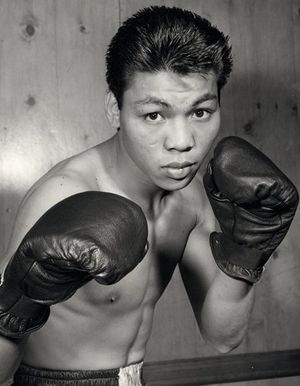
On March 16, 1960, Flash made history. He defeated Harold Gomes of the United States via a seventh-round knockout in Quezon City, capturing the World Junior Lightweight Title—the first Filipino to win a world boxing title since Pancho Villa in the 1920s. Elorde held the title for over seven years, defending it 10 times, a feat that remains unmatched in junior lightweight history.

A Champion Inside and Outside the Ring

Elorde wasn’t just a fighter; he was a gentleman. Known for his humility, discipline, and sportsmanship, he embodied the ideal Filipino athlete. He became a national figure during the 1960s, endorsing brands and appearing in media, but never losing his roots in Bogo.

After retiring in 1971, he helped train a new generation of Filipino boxers and established a boxing promotion business that would carry his name—the Elorde Boxing Gym, now run by his sons and grandchildren.

Legacy and Honors

Flash Elorde passed away on January 2, 1985, at the age of 49 due to cancer. But his legend continues. He was posthumously inducted into the International Boxing Hall of Fame in 1993. In his honor, the Flash Elorde Awards recognize the best in Philippine boxing every year. A statue of him stands proudly at the Bogo City Plaza, reminding locals that greatness can rise from even the humblest of origins.

Metro Cebu is running low on space for new houses

Only 8% of Cebu is flat land and it is depleting very fast. Scarcity drive prices up and with no other option, Cebu’s expansion will be skyward.

Cebu IT Park, then and now

Cebu has a limited buildable space. Only eight percent (8%) of its total land area is flat and this is stretched along the coastline of an elongated island. There are only two growth directions. Go north or move south.

Early days

In the 60’s, southward development began in San Nicolas Mambaling area. Subdivisions like Ma. Gochan with its fruity streets Avocado, Bayabas, Caimito, etc were established for new families.

Today, this area is very near to the city center but in those times, it was considered far. It was the distance of the ‘Parada‘ (Calesa).

Then Labangon, Punta Princesa and Tisa were developed next. Residential structures took over the corn and peanut fields, as demand for new housing steadily increase

The city government of Cebu realized the scarce land resource and the need to address the requirement of a rapidly growing city.

North Reclamation in the 90’s

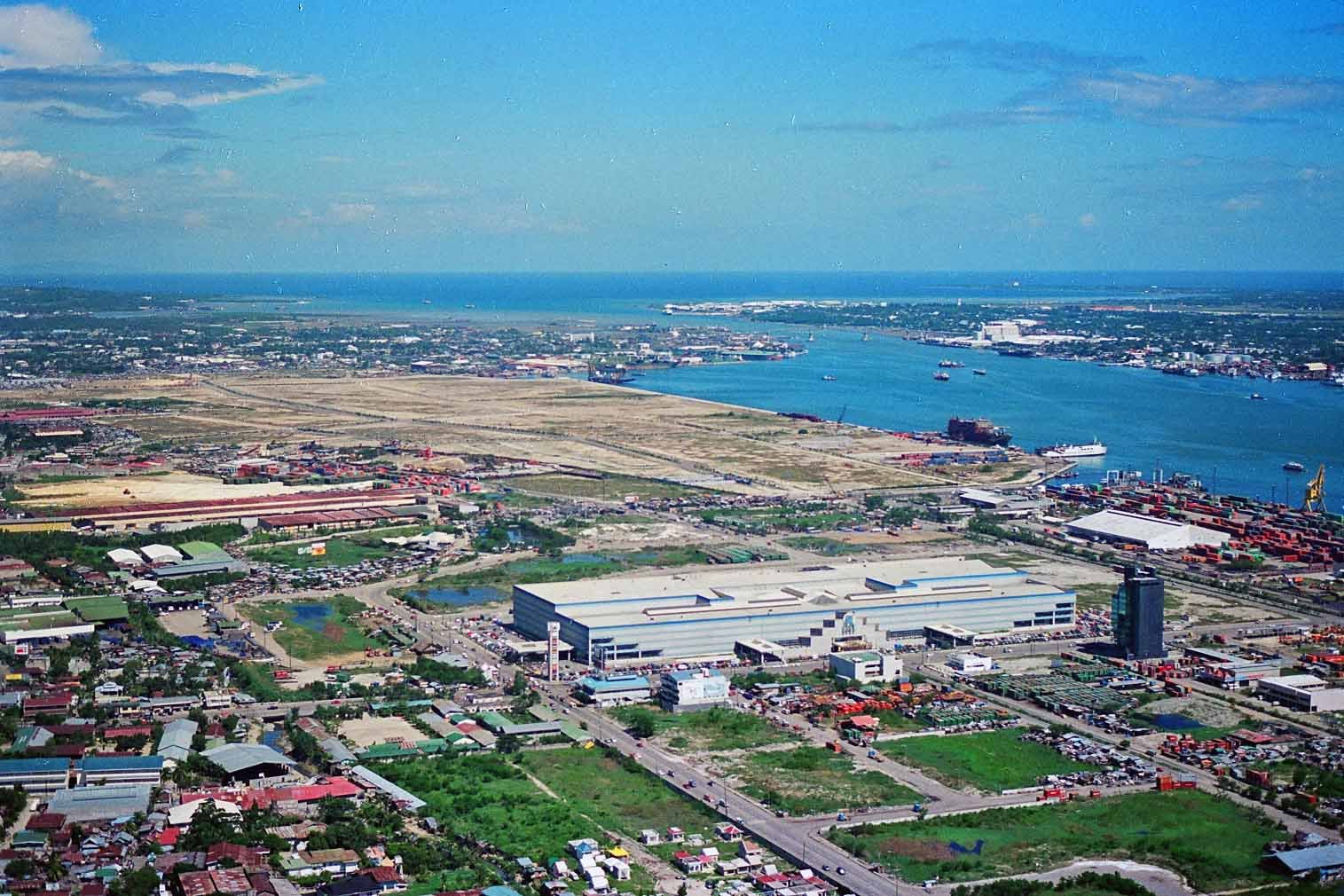
Plans were initiated for the north reclamation project which eventually became the home of SM City Cebu, the first mall outside Metro Manila.

The 70’s saw expansion crawling towards the barangays of Pardo in the South and Mabolo in the north. Even with the Martial Law, economy in Cebu remained vibrant.

The 1st Mactan bridge

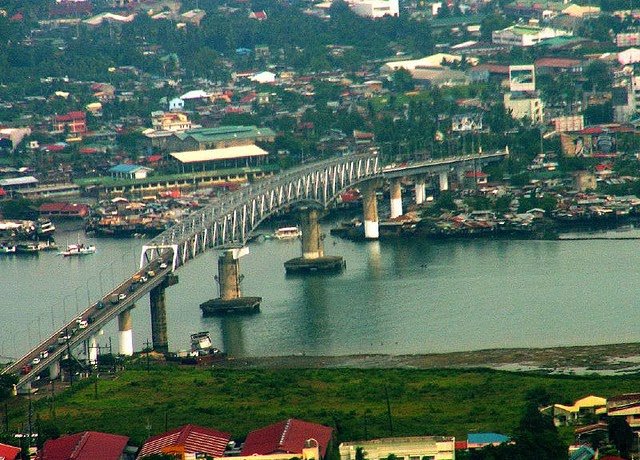
Marcos built the first Mactan bridge which opened up the island for economic and tourism activities.

The 80’s saw major expansion in Cebu, filling the hills of Guadalupe all the way to Pardo.

In the north, Lito Osmena (EMRO Holdings) moved farther north the haven of the ultra-rich, Maria Luisa Subdivision.

Banilad at that time was considered a distant suburb. I remember buying Japanese corn in a sparsely populated stretch in today’s BanTal road, which became Gaisano Country Mall not long after.

Gaisano Country Mall

The 90’s saw an unprecedented growth in Cebu. Dubbed “Ceboom”, the tandem of governor Lito Osmena and Mayor Tom Osmena opened Cebu to opportunities never seen before.

Cebu Business Park, then and now

Manila developers went on crazy shopping for land. Ayala cornered the provincial lot used as a golf course and the Lahug airport property, both of which are now bustling business districts. SM also secured the greatest chunk in the new reclamation.

Residential expansion now extends to Talisay city and Mandaue city. The northward expansion also shifted eastward to Mactan island because of the transfer of the new airport and the creation of Mactan Export Processing zone.

Low cost housing became a hit, selling in the thousands as Pag-Ibig loan facility became available.

The SRP when it was newly completed

Mayor Tom Osmena then floated the idea of a south reclamation project even before the one in the north was completely sold-out.

The early nineties was also called the age of malling as three giant malls opened in Cebu City within an 18-month period. Gaisano Country Mall, opened in 1992 followed by SM City Cebu then Ayala Center Cebu (ACC) in 1993.

How these malls almost killed the businesses in Colon street will be a good separate story.

Vertical Homes

Condominiums started out in Cebu as mere status symbol for the rich. But it was short-lived with the onset of the Asian Crisis in 1997-98.

The slowdown in real estate activities continued into the new millennium although low and mid-high properties continue to sell.

Then there was the second wave of Ceboom in 2006. It just exploded out of nowhere and real estate growth went exponential since then.

Two things happened, residential properties are now pushed farther north to Compostela and down south to Naga city, but traffic also started to deteriorate and became a daily occurence.

Traffic woes and scarcity of space made condominiums a necessity in Cebu rather than an item of luxury as it was before.

Reaching the limit

Areas after Compostela in the north and Naga City in the south are no longer viable as residence for low and mid-income families who commutes daily for school and work in Cebu City. It is a total waste of time, productivity and money.

Metro Cebu

Nowhere to go

This is a clear indicator that Cebu has nowhere to go but up. The future is in the skies.

There are ambitious plans to build highways slicing through the mountain or a viaduct above the sea. Even a mass transport system, probably the rail type is in the works.

But these infrastructures take time to build, and while they help in moving people fast, the scarcity of land remains. It is irreversible.

Developers know its a dire situation. They now scamper hard even for small parcels of land just to be able to churn out projects like pocket developments.

Colliers International shared this sentiment in a report: Condo demand high as developers faced with land scarcity.

Now is the only time

Cebu’s topography is telling us its not just the best time to buy a house now but its the only time left before prices will become exceedingly expensive. Scarcity drive prices up.

If you have money to invest, do not wait and see, for waiting is a costly exercise in real estate. Buy now then sit back and watch the value of your property grow.

When all the land is utilized, Cebu’s future development will be skyward. A true skyscraper city in the making.

*********

Credit goes to the owners of images used. Special mention Slerz, whose passion for Cebu is unwavering, a fellow Skyscrspercity forumer and a good friend.