12 Years After the Bohol Earthquake: Comparing Two Great Quakes of the Visayas

2013 Bohol Quake

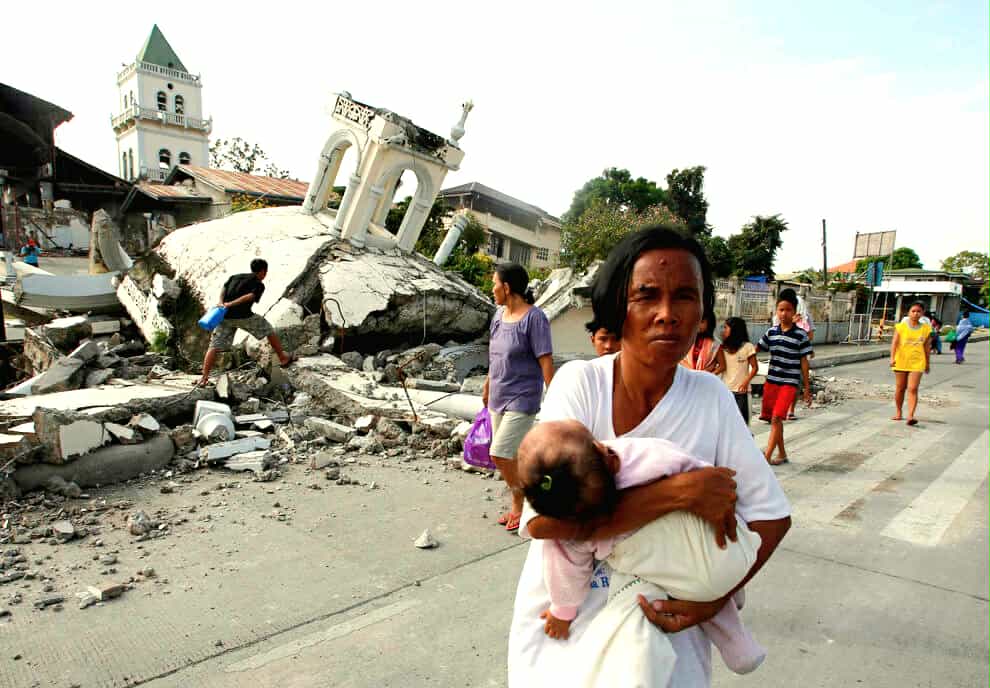
It has been twelve years since the violent 7.2-magnitude earthquake struck Bohol on October 15, 2013, one of the most devastating disasters to hit Central Visayas in modern times.

The quake left more than 200 people dead, injured hundreds, and damaged over 70,000 homes. Historic churches, bridges, and roads collapsed. The impact extended beyond Bohol, Cebu also suffered casualties and heavy structural damage, proving that the tremor’s reach went far beyond one island.

Now 12 years after, another major earthquake shook the region, this time a magnitude 6.9 quake centered in Bogo, northern Cebu. Though slightly weaker, it caused significant destruction in Bogo, San Remigio, Medellin, and nearby towns, where over 70 lives were lost and thousands of homes were damaged. Yet unlike the Bohol tragedy, the casualties were mostly confined to a handful of northern Cebu towns, not across multiple provinces.

Interestingly, the Bogo quake revealed a surprising geological feature , an alarming number of sinkholes, especially in San Remigio where more than a hundred were discovered. In contrast, the Bohol earthquake was more known for the dramatic rise of the North Bohol Fault or “Great Wall of Bohol”, rather than sinkholes. This shows that while both disasters shared the same regional fault system, their surface effects were remarkably different.

The Bohol earthquake remains the more powerful and widespread of the two, claiming more lives, damaging heritage churches, and leaving a deep scar across Central Visayas. The Bogo quake, on the other hand, stands out for its localized devastation and unusual geological aftermath. Both serve as painful reminders that the Visayas lies along an active fault zone, and that preparedness remains the best defense against the earth’s next violent awakening.

Tabuelan, The Youngest Town in Cebu

On the rugged northwestern coast of Cebu lies the town of Tabuelan, tucked between the municipalities of Tuburan and San Remigio. Cebuanos love it for its beaches, from Durhan to Maravilla , and its scenic rivers. While many are familiar with its natural beauty, only a few know its history.

Tabuelan holds the distinction of being the youngest municipality in Cebu. In fact, it is the only one created after the second world war. Young heart with an old soul.

Created by Executive Order No. 621 issued by President Elpidio Quirino on October 23, 1953, Tabuelan was born out of the desire for better governance and closer services for the people living in the far barangays of Tuburan. With a sense of purpose and hope, 12 barangays were carved out of Tuburan to form what would become Tabuelan.

The Town That Found Its Voice

In its early years, Tabuelan was what many would call a frontier town , distant, rural, and largely unknown. Life was simple and self-sufficient. Residents relied on farming, fishing, and raising livestock to make ends meet. Roads were rough, public services were limited, and opportunities were scarce. But what the town lacked in infrastructure, it made up for in resilience.

Local leaders, teachers, and farmers became the quiet builders of a new identity. Schools were established. A municipal hall rose on the hill. Community life began to take shape, with town fiestas and civic events giving people a sense of pride and belonging.

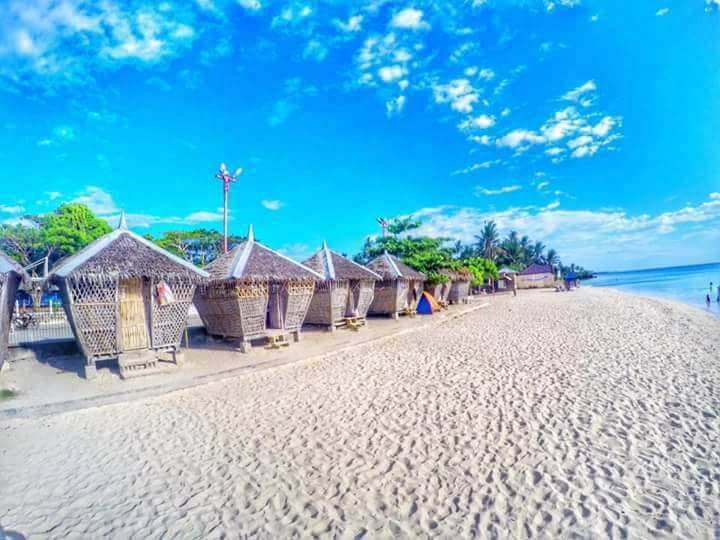
Maravilla Beach

A Scenic Gem Waiting to Be Discovered

Today, Tabuelan is a vibrant town but remains a largely agricultural town, one look at its landscape reveals a place of untapped beauty. Rolling hills stretch toward the sea, and in places like Maravilla Beach, powdery white sand and crystal-clear waters surprise first time visitors. For years, only a few locals and backpackers knew of this hidden paradise — but in recent years, word has begun to spread.

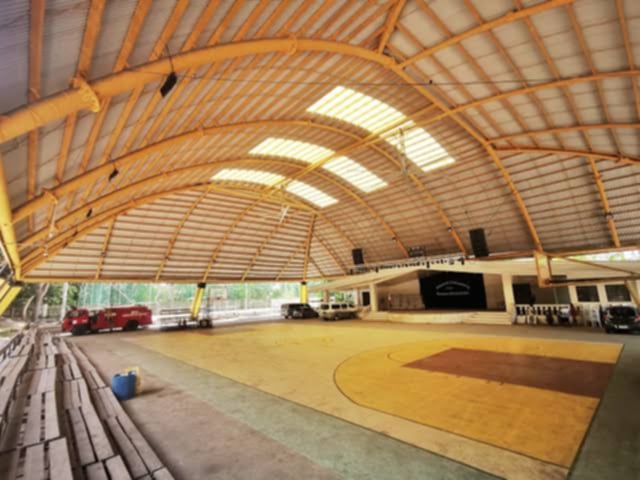
Tabuelan Astrodome

With improved road access and a growing interest in countryside tourism, Tabuelan is now positioning itself as a peaceful beach destination for those looking to escape the busier shores of Cebu.

A Vital Link to Negros and Iloilo

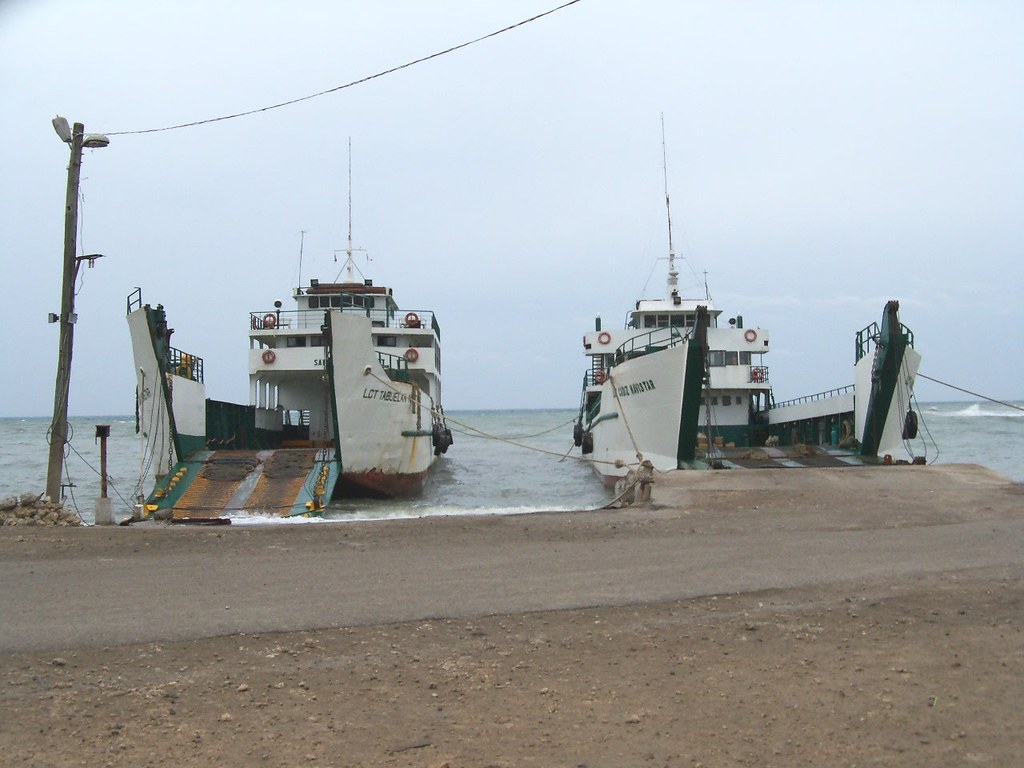
The port facility of Tabuelan is one of the busiest in the province because of its strategic location serving roll-on, roll-off (ro-ro) services for the movement of cargos between the neigboring Visayan islands of Panay and Negros.

Tabuelan Port

From the bosom of Tuburan, Tabuelan was born, and today, it has fully grown into a promising locality with immense potentials. It is home and source of pride for its constituents, yet within it, still dwells the soul and memories of Tuburan, its mother town in the not so distant past.

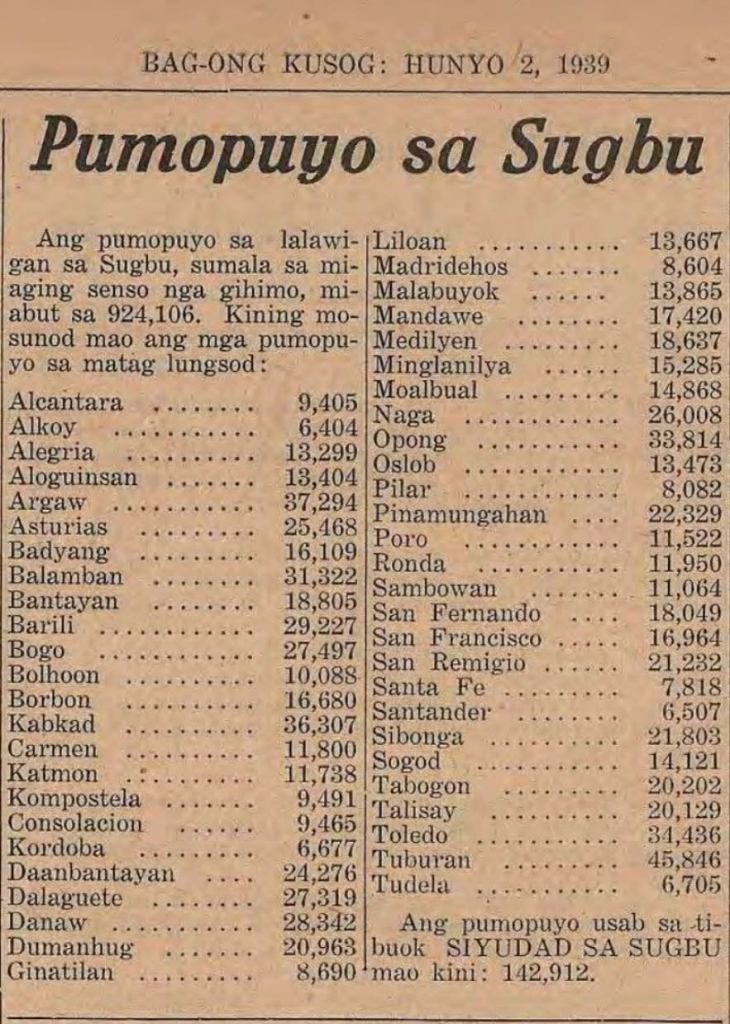
CEBU POPULATION IN 1939

The most recent census has just been released, revealing the official population count of each barangay across every town and city in Cebu. While Metro Cebu continues to bustle with urban expansion, traffic, and soaring high-rises, the latest numbers tell a story beyond the skyline.

Despite the province’s steady march toward modernization, Cebu remains home to several municipalities that seem untouched by time. These small, charming pueblos, hidden between mountain ranges or nestled along sleepy coastlines, carry with them a rustic spirit that resists the chaos of urban growth. Here, centuries have passed, yet the population has barely moved.

Now let us look back to a census conducted in Cebu in 1939. The entire province had a population of less than a million. Cebu was already a vital port and cultural hub, but it was still a far cry from the urban giant it is today.

At the time, Cebu City—then the only chartered city in the province—had a population of just 142,912.

But what may truly surprise you is the list of the most populous towns in Cebu back in 1939. Some of today’s lesser-known municipalities were once bustling centers of activity. Others that now enjoy rapid growth and cityhood status were, back then, quiet agricultural settlements.

   MOST POPULATED TOWNS IN CEBU ( 1932 CENSUS)

Tuburan –                       45,845

Argao –                           37,294

Carcar –                          36,307

Toledo –                          34,436

Opon (now Lapu-Lapu City) – 33,814

Balamban –                     31,322

These figures reveal an older Cebu where economic activity revolved around agriculture, fishing, and local trade, long before the rise of BPO hubs, airports, malls, and industrial estates.

Some of these towns, like Carcar and Danao, have retained their prominence, growing into cities in their own right. Others, such as Argao and Tuburan, while still thriving, have since been outpaced by the explosive growth of Metro Cebu and the Mactan corridor.

Canadian Trash sailing home after a 6-year vacation in the tropics.

The overstaying Canadian rubbish is finally on its way home to its North  American country of origin after a 6-year vacation in the tropics.

But not after an odorous trash talking from President Duterte before the world.

As it sails back to Canada, several  stinking truths are exposed.

First is that the Philippine President has shown his oversized political balls while his Canadian counterpart has probably misplaced his, if ever he has any.

Second, A first-world country is  exporting its household trash to developing nations across the ocean. Apparently, some were sent to Malaysia too and who knows where else!

Third, for the indecisive Canadian government to slumber on the issue for six long years is disrespectful and insulting to the citizens of the Philippines.

Even the Canadian people are unhappy with their government. A random interview among residents of one Canadian city reveal their  dissapointment for the way things  were handled by their bureaucrats.

Regrettably, it has become a world headline and they are at the receiving end of unsanitary jokes and memes.

The ship with 25,000 ton trash load is expected to arrive in two weeks time. It is not clear yet what fanfare is prepared for the symbolic homecoming. For sure it has developed a nice tan by now, after  sunbathing in warm Philippine  sunshine for a long time.

In exchange for the hospitality extended to its overstaying garbage, Canada needs to make an apology.

Suggested readings:

Time Magazine      National Post

The Guardian