12 Years After the Bohol Earthquake: Comparing Two Great Quakes of the Visayas

2013 Bohol Quake

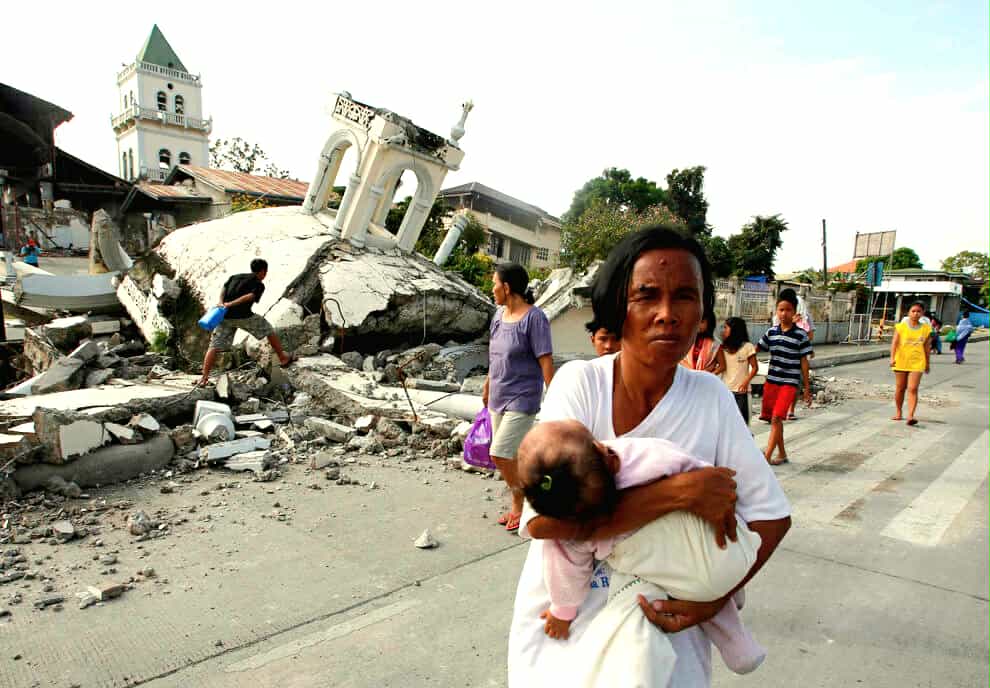
It has been twelve years since the violent 7.2-magnitude earthquake struck Bohol on October 15, 2013, one of the most devastating disasters to hit Central Visayas in modern times.

The quake left more than 200 people dead, injured hundreds, and damaged over 70,000 homes. Historic churches, bridges, and roads collapsed. The impact extended beyond Bohol, Cebu also suffered casualties and heavy structural damage, proving that the tremor’s reach went far beyond one island.

Now 12 years after, another major earthquake shook the region, this time a magnitude 6.9 quake centered in Bogo, northern Cebu. Though slightly weaker, it caused significant destruction in Bogo, San Remigio, Medellin, and nearby towns, where over 70 lives were lost and thousands of homes were damaged. Yet unlike the Bohol tragedy, the casualties were mostly confined to a handful of northern Cebu towns, not across multiple provinces.

Interestingly, the Bogo quake revealed a surprising geological feature , an alarming number of sinkholes, especially in San Remigio where more than a hundred were discovered. In contrast, the Bohol earthquake was more known for the dramatic rise of the North Bohol Fault or “Great Wall of Bohol”, rather than sinkholes. This shows that while both disasters shared the same regional fault system, their surface effects were remarkably different.

The Bohol earthquake remains the more powerful and widespread of the two, claiming more lives, damaging heritage churches, and leaving a deep scar across Central Visayas. The Bogo quake, on the other hand, stands out for its localized devastation and unusual geological aftermath. Both serve as painful reminders that the Visayas lies along an active fault zone, and that preparedness remains the best defense against the earth’s next violent awakening.

A Diamond Life: Happy 75th Birthday, Pilar Pilapil

Last October 12, marked the 75th birthday of Pilar Pilapil, a name that gleams in the annals of Philippine cinema and beauty pageantry. Seventy-five years. A diamond milestone. And just like the gem, her life has been shaped by time, pressure, and fire , yet she continues to shine with quiet strength and unbreakable faith.

Born in Liloan, Cebu, Pilar grew up far from the glitter of the screen. Life was simple, sometimes harsh, but it was there she first learned resilience, a trait that would later define her. At just 17, she conquered the stage of Binibining Pilipinas, winning the Miss Universe Philippines 1967 crown. From that moment, the small-town Cebuana girl was thrust into a world of beauty, fame, and intrigue. The cameras loved her, and so did audiences.

Pilar Pilapil became one of the most respected actresses of her generation, starring in award-winning films and unforgettable dramas that spanned decades. But behind the glamour, she carried a quiet longing, for peace, for purpose, for something deeper than applause. In her own words, she was “The Woman Without a Face.” It was a metaphor for losing herself amid the fame and expectations. But through faith, she found healing.

In 1995, she became a born-again Christian, later founding the Pilar Pilapil Foundation, dedicated to helping abused women and children, those whose stories were once silenced, like hers almost was.

In 2011, the world gasped when she survived a brutal stabbing incident, left for dead in a dark field. But the woman who had already faced so many trials stood up again. She lived, forgave, and even returned to acting, a testament to her courage and faith.

Today, at 75, Pilar Pilapil is no longer the ingénue or the screen goddess, she is something rarer: a diamond woman. Tested, refined, and radiant. Her story is no longer just about beauty, but about survival, strength, and spiritual grace. Happy Diamond Birthday, Pilar Pilapil, may your light continue to inspire generations of women who dream, fall, and rise again.

How Android Phones Warned Some Cebuanos Seconds Before the Earthquake

When the magnitude 6.9 earthquake struck Northern Cebu and parts of Leyte last night, many residents were caught off guard. Yet, some Cebuanos report something almost unbelievable: their Android phones buzzed with an alert just seconds before the ground shook. This has left many people asking, is it really possible for a phone to “predict” an earthquake?

Not Prediction, but Early Warning

Scientists emphasize: earthquakes cannot be predicted hours or days in advance. What phones do is different, they provide early warning.

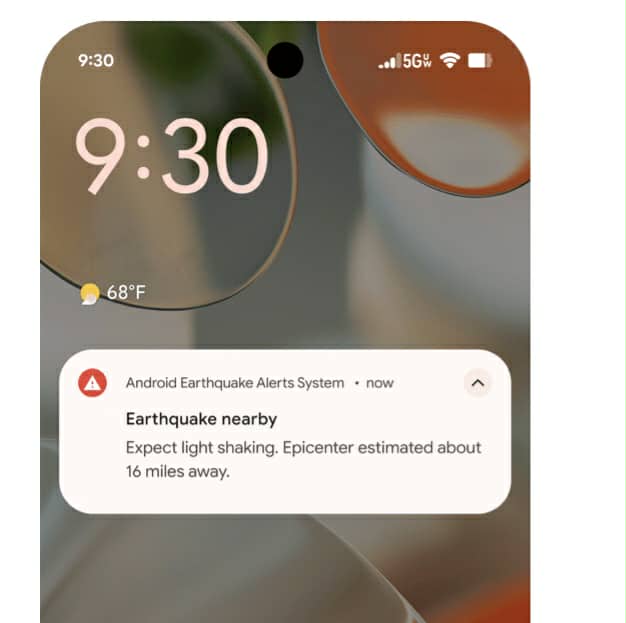
Android smartphones come equipped with motion sensors called accelerometers, the same technology that makes your screen rotate when you tilt your phone. When an earthquake begins, even weak tremors are picked up by thousands of Android phones in the affected region.

These signals are instantly sent to Google’s servers. If enough phones detect shaking, the system confirms an earthquake and sends an alert to nearby Android phones.

Seismic waves travel slower than internet data, the warning can reach people seconds before the strongest shaking arrives.

In last night’s case, those precious seconds gave some residents time to duck under tables, move away from dangerous objects, or brace themselves.

Why Only Android Phones?

Google’s Android Earthquake Alerts System is built into Android devices (as far back as Android 5.0). That means practically any Android phone can serve as both a mini-seismometer and a warning device. iPhones, on the other hand, do not have a similar system.

While iPhone users can still receive alerts if local governments push them through telecom providers or apps, the phone itself does not detect and contribute data to a global early warning network.

Why Every Household Should Have One

Last night’s experience shows just how valuable this technology is. Even a few seconds’ warning can mean the difference between panic and preparedness.

Safety – You can drop, cover, and hold before the shaking intensifies.

Family protection – With one or two Android devices in a household, the chance of getting alerted increases.

Community contribution – Every Android phone in Cebu also helps Google’s network detect quakes faster and more accurately.

A Wake-Up Call

The reports from Cebuanos remind us that technology is now part of disaster preparedness. Earthquakes will always strike without notice , but with Android’s system, we at least get a fighting chance to prepare, even if it’s just a matter of seconds.

For households, the lesson is clear: it’s worth keeping at least one Android phone active and connected. When the ground starts to move, those seconds of warning could save lives.

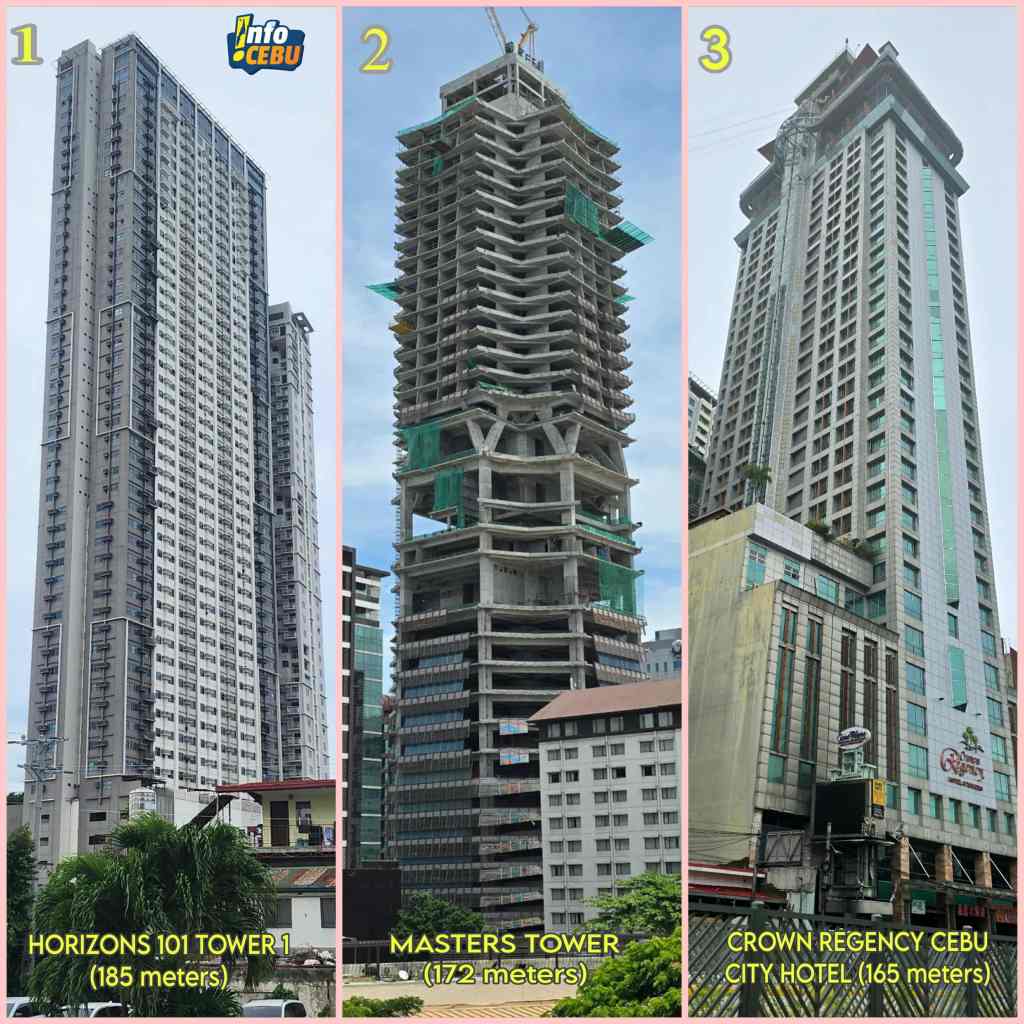
𝗦𝗞𝗬𝗟𝗜𝗡𝗘 𝗢𝗙 𝗣𝗥𝗜𝗗𝗘: 𝗖𝗘𝗕𝗨’𝗦 𝗧𝗔𝗟𝗟𝗘𝗦𝗧 𝗧𝗢𝗪𝗘𝗥𝗦 𝗕𝗨𝗜𝗟𝗧 𝗕𝗬 𝗟𝗢𝗖𝗔𝗟 𝗗𝗘𝗩𝗘𝗟𝗢𝗣𝗘𝗥𝗦

In a city where heritage churches and colonial houses once defined the skyline, Cebu today is racing skyward, marking its place among the modern urban centers of Asia. At the heart of this transformation is the competition for the title of the tallest building in the province, a race driven not by outsiders, but by Cebu’s very own homegrown developers.

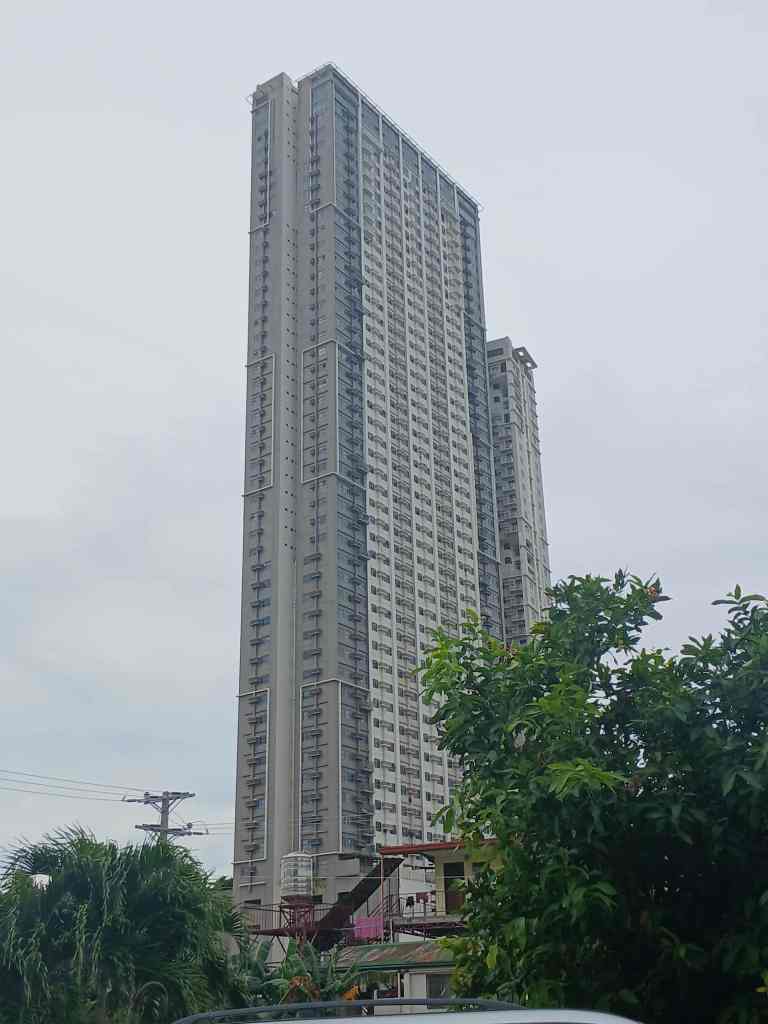
Horizons 101 Tower One: Cebu’s Highest Landmark

Standing at 185 meters (or 192 meters according to other sources) Horizons 101 Tower 1 by Taft Properties claims the title of the tallest building in Cebu. Rising proudly along General Maxilom Avenue, the tower is a landmark visible across the city’s downtown, Uptown, and even from the sea. With 55 stories, it symbolizes the boldness of a Cebuano company that dared to rise higher than anyone else in the region.

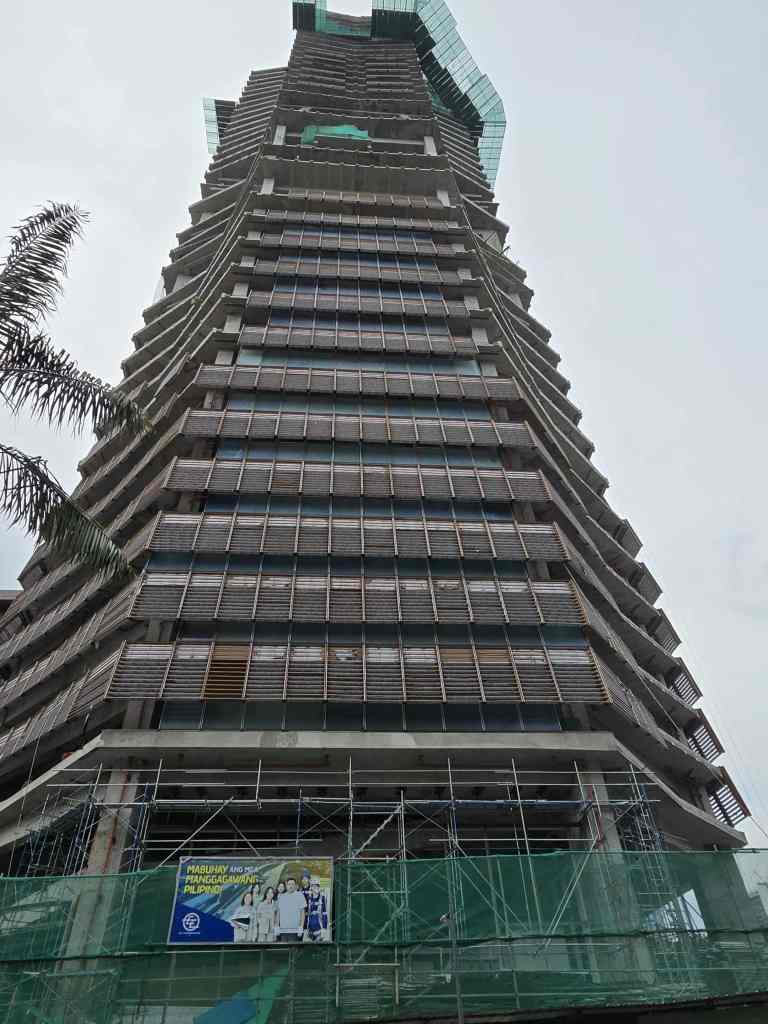
The Challenger: Masters Tower Cebu

Not far behind is Masters Tower Cebu, the flagship project of Cebu Landmasters Inc. (CLI), another proud Cebuano developer. At 172 meters, this hotel and office tower in Cebu Business Park is not just tall, it’s ambitious. More than its height, the tower carries prestige as it will house the first Sofitel hotel in the Visayas, redefining the standards of luxury in Cebu’s hospitality and business landscape.

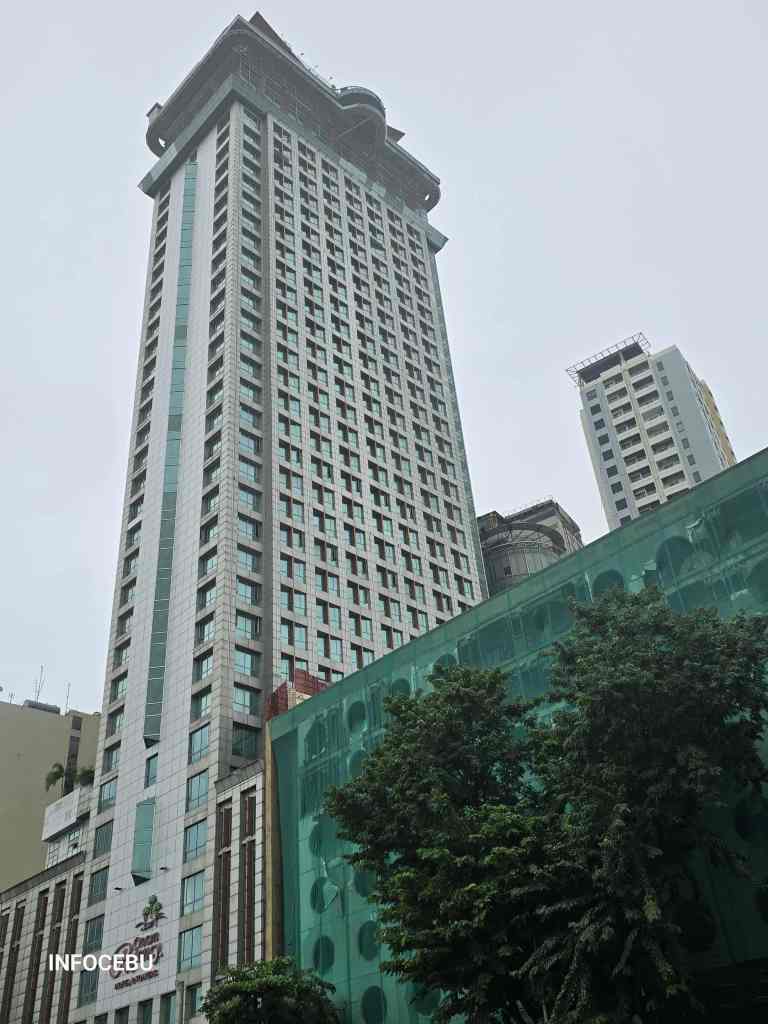
The Predecessor: Crown Regency Hotel Fuente

Before these newer towers redefined Cebu’s skyline, the Crown Regency Hotel and Towers (Tower 1) stood as the city’s beacon of ambition. At 165 meters and 45 stories, built by Fuente Triangle Realty, it was once the tallest in Cebu and even one of the tallest outside Metro Manila. More than just a hotel, it became famous worldwide for its Sky Experience Adventure, from edge-coaster rides to skywalks—a daring blend of tourism and architectural spectacle.

Cebu Developers Leading the Race

What makes this race even more remarkable is that all three of Cebu’s tallest buildings were not built by Manila-based conglomerates or foreign giants, but by Cebuano developers with deep roots in the island. Taft Properties, Cebu Landmasters, and Fuente Triangle Realty represent Cebu’s entrepreneurial spirit—turning visions into concrete realities that now shape the skyline.

From the era of low-rise buildings and heritage structures, Cebu has transformed into a city of towering landmarks, each building not just a structure of steel and glass, but a testament to local pride and global ambition.

The race is far from over. With more projects announced, Cebu’s skyline will only continue to rise. But for now, three homegrown giants stand tallest, each one a reminder that Cebu’s reach is not just across islands, but also aiming for the sky.

Cebu Now in Good Hands with Governor Pam Baricuatro

Cebu today feels like it is in a better place. With the leadership of Governor Pam Baricuatro, the Capitol has taken a new direction, toward transparency, fiscal discipline, and service that puts the people first.

First, transparency is no longer a buzzword. It is real and felt by the constituents. The workings of the provincial government are now wide open to scrutiny, like being viewed under a magnifying lens. Every action, every project, every decision can be seen and questioned.

Makita na gyud sa Sugboanon kung asa paingon ang atong gobyerno, and this builds both trust and accountability.

Second, Governor Baricuatro is handling public funds with more care. Gone are the days of spending without thought or direction. Every peso is now weighed carefully, directed toward programs that matter.

Wala nay sayang, wala nay gasto nga walay pulos. Ang tanan alang sa dugang nga kaayohan sa Sugbo.

Equally important, the Governor shows a passion for service. She gives attention to the health sector that was once overlooked.

Iyaha gyud gihatagan og importansya ang katawhan nga dugay nang nangayo og tabang.

This presence is felt on the ground, not just in the halls of the Capitol. And perhaps the clearest sign of change is the end of extravagance. The days of lavish spending and unnecessary display are gone. In their place is a government that values simplicity, prudence, and substance.

Dili na kinahanglan ang pasikat, ang importante karon kay serbisyo nga tinuod ug matinud-anon.

Cebuanos are discerning; they know when leadership is working for them. And today, there is a growing sense that Cebu is indeed in good hands, with transparency, careful stewardship of resources, heartfelt service, and freedom from excess.

Cebu deserves no less.