When the Filipino Spirit Conquered a Spanish Crown: The Saga of Emperador and Fundador

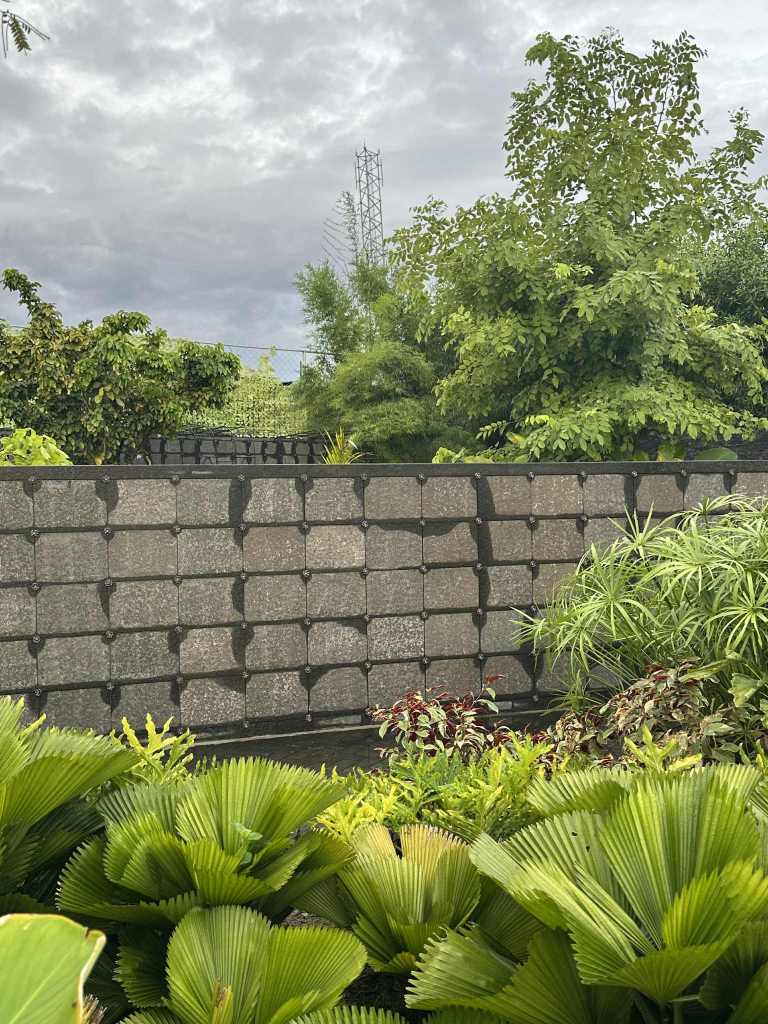
The Philippine Flag flying high over a 1500 hectare vineyard now owned by Emperador in Jerez dela Frontera, Spain

In the chronicles of commerce, there are tales of ambition, but few rise to the level of legend. This is the story of Emperador Distillery, born in the islands of the Philippines, which rose from humble origins to seize a throne once thought unreachable, the crown of Fundador, Spain’s oldest and most illustrious brandy.

A Drink of the Masses, A Dream of the Nation

From the first pour in the Philippines, Emperador was never just a drink. It was the spirit of the Filipino people, affordable, unpretentious, yet full of fire. Across fiestas, weddings, and countless nights of laughter, Emperador became the companion of a nation.

But deep within its story was a restless dream: that the Filipino could not only drink the world’s best, but own it.

The Old World’s Crown Jewel

Far away in the ancient vineyards of Jerez de la Frontera, Spain, the great houses of brandy had reigned for centuries. Among them stood Fundador, born in 1730, the brand of kings and nobles, its name etched into the very fabric of European heritage.

It was a symbol of the Old World’s refinement, a jewel passed down through generations. Never had it crossed anyone’s mind that such a treasure could be claimed by hands beyond Europe’s borders. Until the Filipinos arrived.

The Turning of the Tide

In 2015, Emperador did the unthinkable. With courage and conviction, it crossed oceans and struck a deal that shook the industry: it acquired Fundador and its sister brands. It was not merely a purchase, it was a reversal of history.
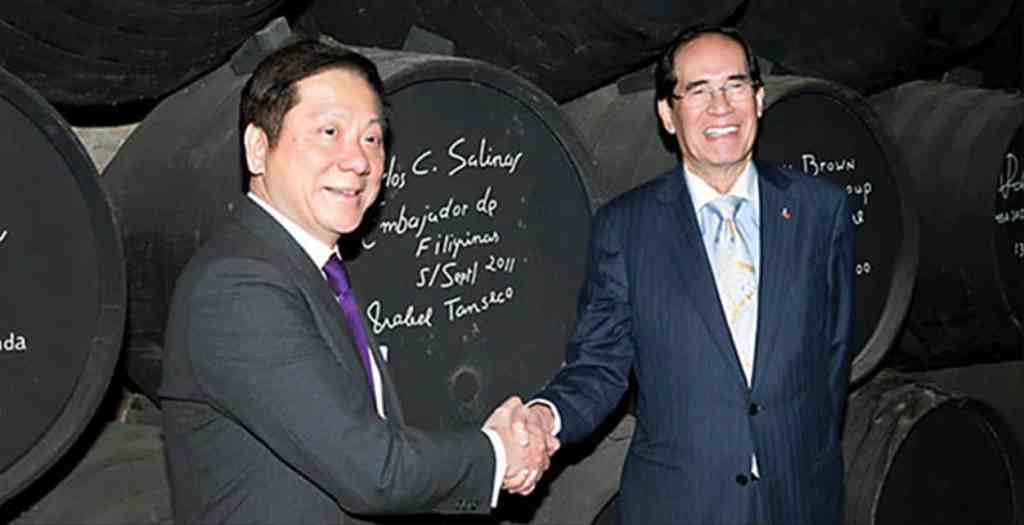
Andrew Tan, Chairman of Emperador Distillery among other businesses formalizing the acquisition of Fundador Brandy in 2015

The land once ruled by Spain now owned a crown of Spain itself. The once-colonized people had claimed the heritage of their colonizer. And so, what was once poured into Spanish goblets now carried within it the fire of the Filipino spirit.

A Toast Heard Around the World

The acquisition was more than business, it was poetry. In every bottle of Fundador now flowed three centuries of Spanish craftsmanship, sealed under the stewardship of Filipino hands. . Today, whether in Madrid, Manila, or New York, when a bottle of Fundador is raised, it carries with it a tale far greater than brandy. It is the saga of a nation that dared to dream, the story of how a Filipino company conquered a global empire of taste. And so the legend stands: Emperador, the Filipino spirit that rose from humble tables to seize a Spanish crown.


The Emperador line of products today

Direct Flights From Cebu to Guam

From Mission Crossings to Direct Flights: The Cebu–Guam Connection Centuries ago, the island of Guam looked across the Pacific and found its spiritual guidance in Cebu.

During the Spanish era, the Catholic Church in Cebu supervised Guam’s faith life, sending missionaries and supplies to the distant Marianas. For more than a hundred years, Guam’s parish records and missionary reports were tied to the Bishop’s Palace in Cebu. It was a connection of faith and heritage, linking two island communities across vast seas. Today, that bond takes on a new meaning.

Philippine Airlines is set to launch its first-ever Cebu–Guam direct flight starting December 16! No longer will the journey take months by galleon—just a few hours from Mactan to America’s Pacific paradise.

From the Chamorro traditions and pristine beaches of Guam to the deep historical ties shared with Cebu, this new route is more than just a convenience, it’s a revival of a centuries-old connection. PAL will fly nonstop to Guam 3x weekly, bringing Cebuanos closer not only to stunning island adventures but also to a place that once looked to Cebu as its spiritual home. History has come full circle. What began as missionary crossings in the 1600s now continues with modern wings in 2025.

Book your flight at philippineairlines.com.

The First 100 Days of the People’s Governor

CEBU – Governor Pam Baricuatro’s victory was nothing short of phenomenal. While many were initially skeptical about what she could deliver as a newcomer in politics, her first months in office have proven otherwise. Now, as she approaches her first 100 days, it’s worth looking back at the quick gains and accomplishments she has already achieved for the province. This will be a multi-part series, beginning with her initiatives in the field of health.

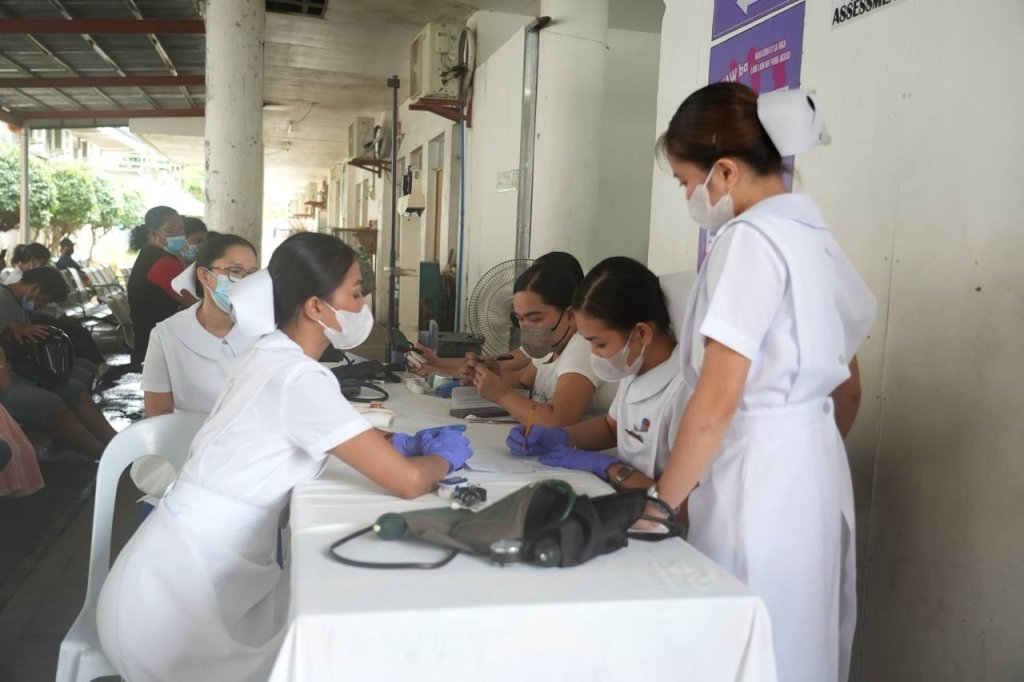
Governor Pamela Baricuatro has put healthcare at the forefront of her first 100 days in office, combining immediate medical missions with long-term investments to strengthen the provincial health system.

With the support of her daughter, Dr. Nikki Catalan, who serves as a passionate ‘Pro-bono Piso Consultant‘ for provincial health programs, the governor led a series of medical and surgical missions in Camotes Island, Bantayan Island, Bogo City and Carcar City .

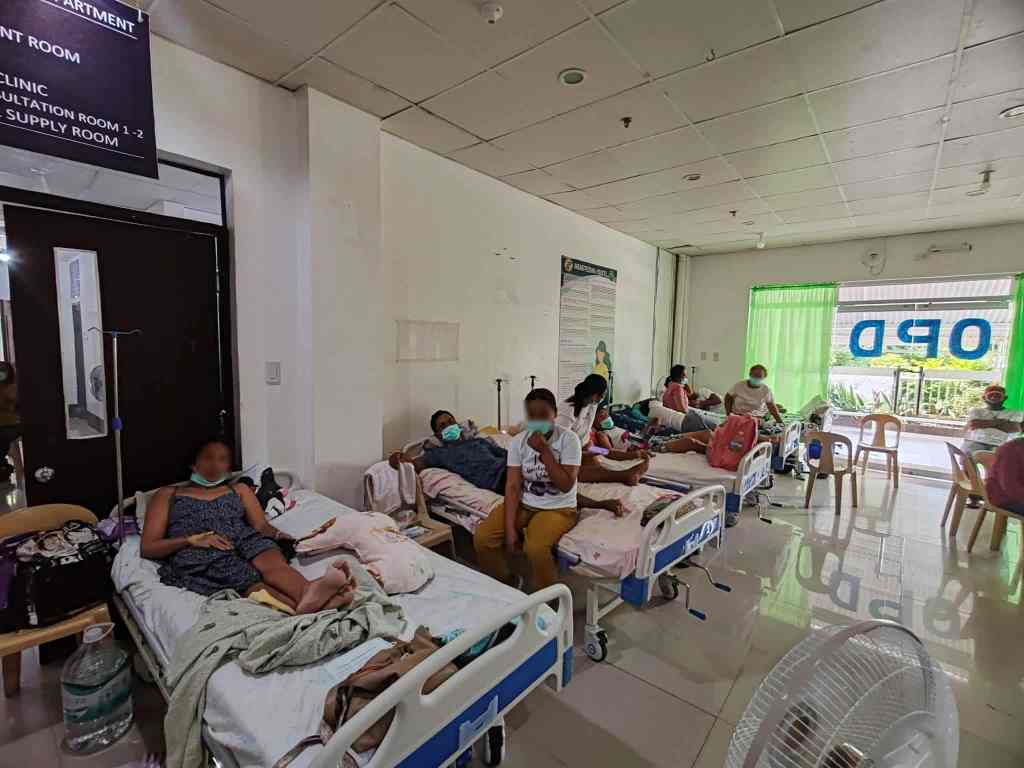
Aside from free consultations and medicines, the missions offered major surgical operations, including procedures for hernia, goiter, breast cancer, gallbladder stones (cholecystectomy), and parotid or “bayuok” cases.

“These operations prove that our healthcare outreach is not just symbolic, but life-saving,” Gov. Baricuatro said. “We are committed to making quality medical care accessible to all Cebuanos, especially those in far-flung communities.”

Another medical mission on August 16–17 at the Cebu Provincial Hospital in Danao City, provided P10 million worth of free surgeries. For the first time in Cebu’s history, private hospitals, organizations, and volunteers partnered with the Province for large-scale surgical operations.

Specialists from Chong Hua Hospital, UCMed, the Cebu Medical Society, and other medical teams joined the initiative.

Backing her pledge with resources, Gov. Baricuatro has a proposed ₱650 million in capital outlay under her proposed 2026 budget for the improvement of district and provincial hospitals. The fund will cover facility upgrades, acquisition of modern medical equipment, and expansion of specialized services.

Her administration also rolled out barangay-level health caravans, replenished medicine supplies in rural health units, and initiated support measures for frontline health workers, including hazard pay and allowances.

In Camotes island, she increased the fuel subsidies of ambulances while working ways to expedite the acquisition of sea ambulances.

Dr Nikki Catalan also emphasized the urgency of upgrading the hospital facilities in the islands because in the past, ‘a boat ticket in Jomalia Shipping has become a doctors prescription’ which means a patient needs to be transported to mainland hospitals due to inadequacies in the island healthcare facilities.

Private groups were also encouraged by the governor’s strong health advocacy. Doctors and specialists from as far as Australia joined local volunteers in conducting medical missions, creating a multiplier effect that expanded both the attention and resources dedicated to healthcare in the province.

Gov. Baricuatro’s decisive focus on health is among the most tangible accomplishments of her first 100 days. By pairing immediate, life-saving interventions with long-term hospital development, she is setting the stage for a stronger, more inclusive provincial healthcare system

🎬 THE FIRST FILIPINA MOVIE STAR IN HOLLYWOOD IS FROM SIBONGA!

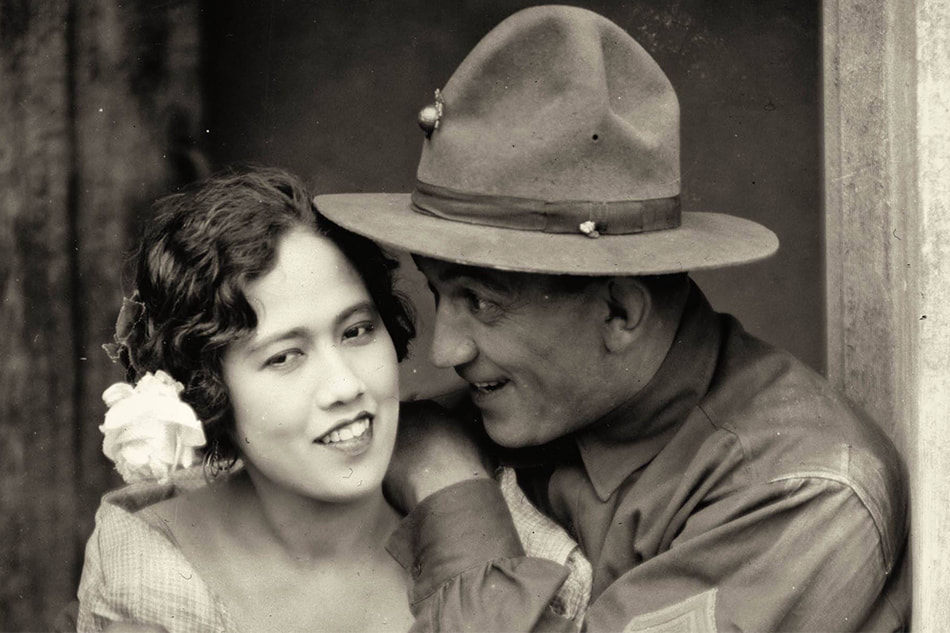
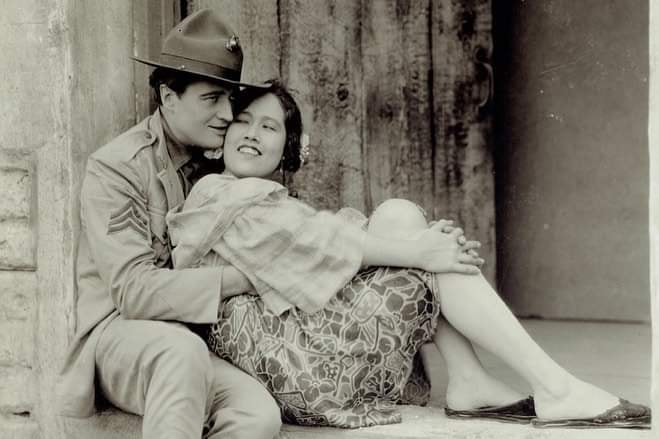
📽️ Elena Jurado, born on May 19, 1901 in Sibonga, Cebu, made history as the first Filipina to star in Hollywood during America’s silent film era.

At just 18, Elena sailed to San Francisco to study radio—but fate had bigger plans. She caught the eye of filmmakers, acted in silent films, and wrote her own “photoplays.” American newspapers hailed her as the “Island Cinderella” and the “First Filipina Movie Star in Hollywood.”

📽️ Elena was a child of the Philippine-American War. Her father, a 22-year-old lineman of French ancestry assigned to install telephone poles in Sibonga, fell in love with her mother, Placida, a local Cebuana. Though unmarried, they raised Elena, who spent her early childhood at Camp Jossman in Guimaras, mingling with the children of U.S. military officers and civil officials.

🎞️ On April 13, 1922, Elena signed a contract with the Motion Picture Utility Corporation to star in two films to be shot in the Philippines — “Sunshine and Shadow” and “Wings of Love” — based on scenarios she herself wrote about life in the Philippines under American rule. Her stories impressed renowned actor Hobart Bosworth and novelist Peter B. Kyne.

📽️ Elena once declared:

“The fact that I am the first Filipina to enter the moving picture profession simply demonstrates that the Filipino women, like their sisters of the Caucasian race, will rise up from obscurity to limelight if they are given opportunity.”

💐 Elena Jurado passed away on her 73rd birthday, May 19, 1974, at an elderly home in Los Angeles County — leaving behind a legacy as a pioneer who paved the way for Filipinas in global cinema.

The Rise of Columbaries in Cebu

A New Wave of Real Estate Investment Emerges

In recent years, Cebu has witnessed a quiet yet powerful shift in its real estate landscape , the rapid rise of columbaries as a preferred investment and memorial option. Once seen merely as sacred resting places, columbaries are now gaining ground as high-value properties, attracting both end-users and bulk-buying investors who recognize their long-term potential.

True Vine Garden. Cebu City

At the forefront of this trend is the True Vine Garden Columbary, an architecturally striking, Kenneth Cobonpue-inspired garden columbary envisioned to be one of the most luxurious in the country. True Vine has been drawing attention not just for its serene ambiance but also for its impressive investment performance. Inurnments at the property are steadily picking up, and investors are flocking in, purchasing niches in bulk.

True Vine Garden, Cebu City

Market watchers note that prices at True Vine Garden Columbary have appreciated by an average of 15% per year, a figure that rivals returns from some traditional real estate sectors. This consistent growth has fueled a surge in confidence, turning what was once a sentimental purchase into a strategic addition to many investors’ portfolios.

True Vine Garden, Cebu City

Adding to the momentum are two newly launched columbaries that have entered the Cebu market within just 60 days. Golden Gate Memorial Garden and Columbary in Daanbantayan, and the San Vicente Parish Columbary in San Vicente, Liloan. Their swift emergence signals a strong and growing demand for memorial spaces in northern Cebu, a region that is also seeing a rise in residential and commercial developments.

Golden Gate Memorial Garden, Daanbantayan, Cebu

Industry insiders say the rise of columbaries is being driven by several factors: increasing land scarcity, the shift toward more sustainable and space-efficient memorial options, and a cultural shift in how Filipinos approach end-of-life planning. For many Cebuanos, pre-need columbary investments are becoming as normal as buying a condominium or memorial lot.

With prices climbing, demand surging, and new players entering the scene, the columbary sector in Cebu is no longer a niche. It has become one of the fastest-growing segments in local real estate, and for many, a lasting legacy that also makes sound financial sense.

True Vine Garden, Cebu City